How Serious is Osteoarthritis of the Spine?
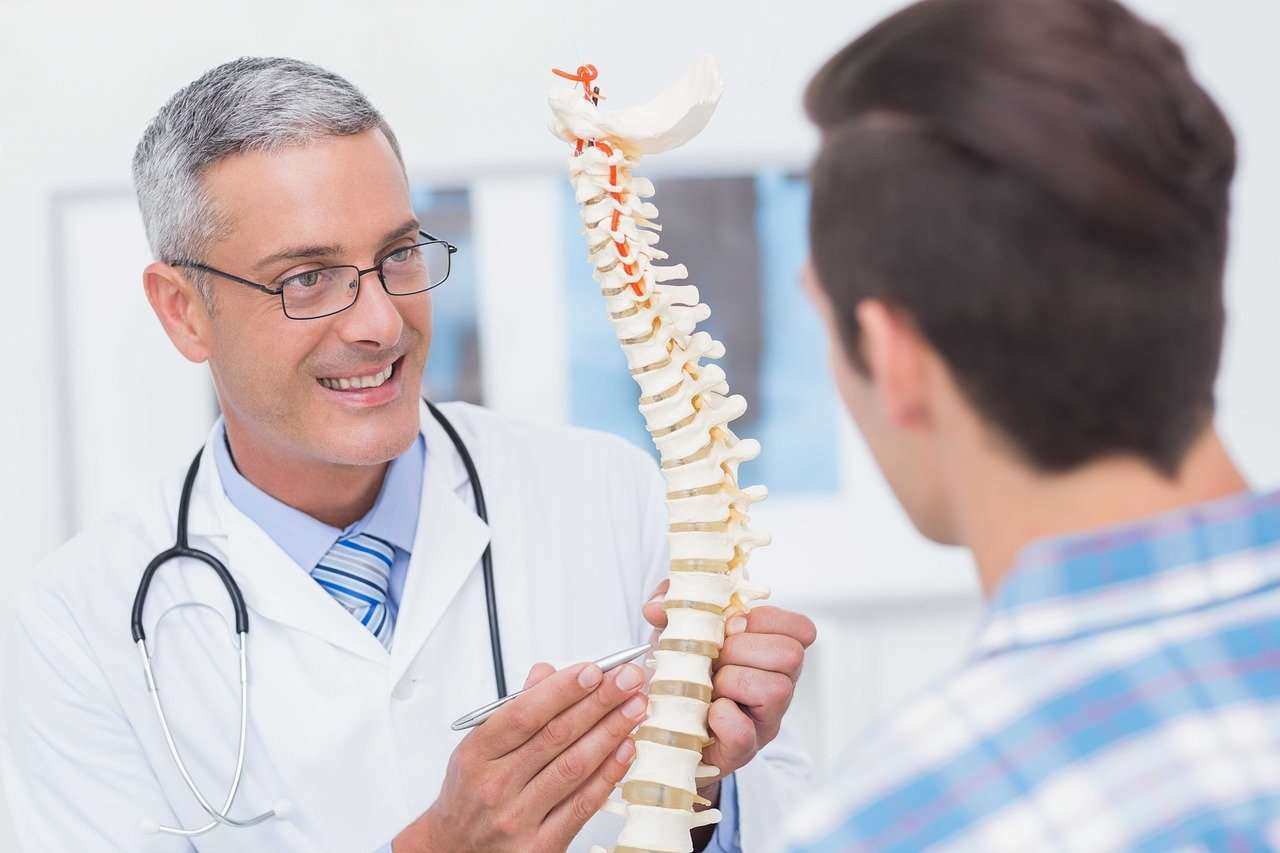
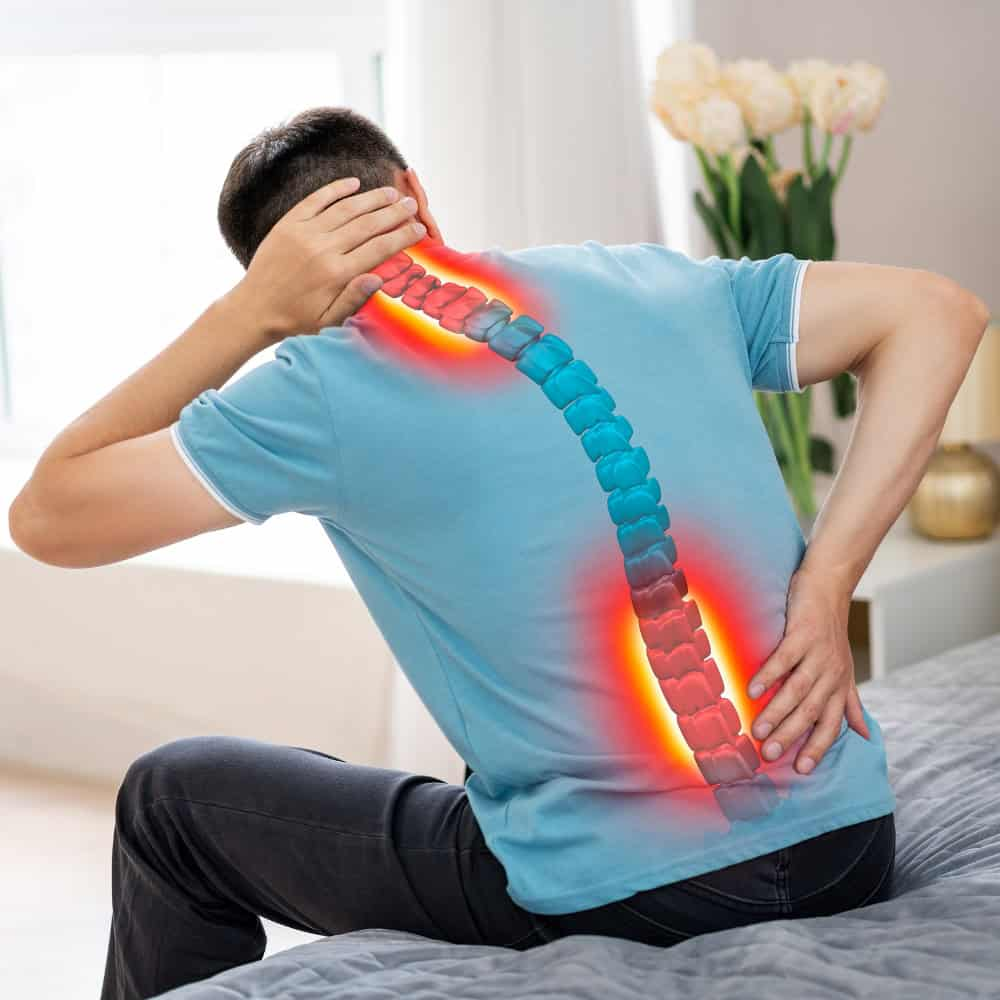
Osteoarthritis of the spine—also called spinal osteoarthritis or spondylosis—is a progressive degenerative condition affecting the facet joints and intervertebral discs.
While often dismissed as “normal aging,” its seriousness depends on multiple factors: location (cervical vs. lumbar), rate of progression, nerve involvement, and individual pain tolerance.
The condition occurs when protective cartilage wears down, causing bones to rub together.
This triggers inflammation, bone spur formation, and potential nerve compression. Importantly, imaging findings don’t always match symptom severity—many people have significant degeneration on MRI with minimal pain, while others experience debilitating symptoms with mild changes.
How Serious Is It Really? Assessing the Clinical Impact
Mild to Moderate Cases
Manageable with Conservative Care
Most individuals experience intermittent stiffness, activity-related pain, and reduced flexibility.
These symptoms typically respond well to:
- Physical therapy and targeted exercise
- Weight management and posture correction
- Over-the-counter NSAIDs or acetaminophen
- Heat/cold therapy and activity modification
Moderate to Severe Cases: When Complications Arise
Untreated or advanced spinal osteoarthritis can lead to serious complications:
- Spinal stenosis: Narrowing of the spinal canal compressing nerves
- Radiculopathy: Nerve root irritation causing radiating pain, numbness, or weakness
- Myelopathy: Spinal cord compression (cervical region) affecting balance and coordination
- Functional decline: Reduced mobility impacting work, self-care, and quality of life.
Research shows that while spinal osteoarthritis is structurally progressive, radiographic severity doesn’t reliably predict disability.
However, approximately 23% of patients develop chronic pain persisting beyond 3 months, requiring more intensive intervention.
Top Questions About Spinal Osteoarthritis
1.Is osteoarthritis of the spine serious?
Yes, it can be. While many manage symptoms effectively, severe cases may cause nerve compression, chronic pain, or mobility limitations. Early intervention improves outcomes.
2.Can osteoarthritis of the spine cause paralysis?
Rarely, but possible. Severe cervical stenosis from advanced osteoarthritis may compress the spinal cord, potentially causing weakness or paralysis if untreated.
3.What happens if spinal osteoarthritis is left untreated?
Symptoms may worsen: increased pain, reduced mobility, nerve damage, or development of spinal stenosis.
4.Does osteoarthritis of the spine get worse with age?
Typically yes. It’s a progressive degenerative condition, though progression speed varies significantly between individuals.
5.Can you live a normal life with osteoarthritis of the spine?
Absolutely. With proper management—exercise, weight control, pain strategies—most maintain active, fulfilling lives.
6.What is the life expectancy with spinal osteoarthritis?
Osteoarthritis itself doesn’t reduce life expectancy. However, severe mobility limitations may indirectly impact overall health.
7.Is surgery necessary for osteoarthritis of the spine?
Rarely first-line. Surgery is considered only after conservative treatments fail and significant nerve compression or instability exists.
8.What are the red flag symptoms of spinal osteoarthritis?
Seek immediate care for: bowel/bladder changes, leg weakness, numbness in saddle area, or progressive neurological deficits.
9.Can osteoarthritis of the spine cause leg pain?
Yes. Lumbar facet arthritis can irritate nerves, causing sciatica-like pain, numbness, or tingling radiating down the legs.
10.How fast does spinal osteoarthritis progress?
Highly variable. Some experience slow changes over decades; others progress faster due to genetics, injury, or obesity.
11.What makes osteoarthritis of the spine worse?
Prolonged sitting/standing, heavy lifting, poor posture, obesity, and high-impact activities can exacerbate symptoms.
12.Can physical therapy help osteoarthritis of the spine?.
Yes. Targeted exercises strengthen supporting muscles, improve flexibility, and reduce pain—often as effectively as medication.
13.Is osteoarthritis of the spine the same as degenerative disc disease?
Related but distinct. Osteoarthritis affects facet joints; DDD involves disc dehydration. They often coexist and share risk factors.
14.What is the best exercise for osteoarthritis of the spine?
Low-impact activities: walking, swimming, tai chi, and core-strengthening exercises. Avoid high-impact or twisting motions.
15.can stress make osteoarthritis of the spine worse?
Indirectly yes. Stress increases muscle tension and pain perception. Mind-body techniques (meditation, CBT) can help manage symptoms.
Evidence-Based Treatment Pathways: From Conservative to Advanced
First-Line Strategies
- Movement is medicine: Gentle daily exercise reduces stiffness and strengthens spinal support muscles.
- Weight optimization: Every pound lost reduces spinal load by 4x.
- Posture awareness: Ergonomic adjustments at work/home minimize joint stress.
- Pain management: Short-term NSAIDs (with medical guidance) for flare-ups.
When to Escalate Care
Consult a spine specialist if you experience:
- Pain disrupting sleep or daily activities for >2 weeks
- Numbness, tingling, or weakness in limbs
- Loss of bladder/bowel control (seek emergency care)
Advanced options include:
- Physical therapy: Customized programs targeting mobility and stability
- Interventional procedures: Facet joint injections or radiofrequency ablation for targeted pain relief
- Multidisciplinary pain programs: Combining medical, physical, and psychological support
🩺 Experiencing persistent back pain? Download our free “Spine Health Assessment Checklist” to track symptoms and prepare for your doctor visit. [Get Your Free Checklist]
Prevention & Long-Term Management: Taking Control Today
While we can’t reverse osteoarthritis, we can significantly influence its trajectory:
✅ Move consistently: 30 minutes of low-impact activity most days maintains joint nutrition and muscle support.
✅ Strengthen your core: Abdominal and back muscles act as a natural brace for your spine.
✅ Practice joint-friendly ergonomics: Lift with legs, avoid prolonged static postures.
✅ Prioritize sleep quality: Proper spinal alignment during rest supports tissue repair.
✅ Manage inflammation: Anti-inflammatory diets (rich in omega-3s, antioxidants) may reduce symptom flares.
💪 Start your spine-strengthening journey today. Access our 7-Day Gentle Mobility Program—designed by physical therapists for spinal osteoarthritis. [Begin Your Free Trial]
When to Seek Specialized Care: Red Flags & Referral Criteria
Don’t wait for symptoms to become debilitating. Consult a spine specialist if:
- Pain persists >4-6 weeks despite home care
- Neurological symptoms develop (numbness, weakness, coordination issues)
- Pain significantly impacts work, sleep, or mental health
- You’re considering injections or advanced interventions
Early specialist involvement often prevents unnecessary suffering and identifies the most efficient treatment pathway.
Find a board-certified spine specialist in your network. Use our vetted provider directory with patient reviews and insurance filters. [Locate a Specialist Near You]
Prevention & Long-Term Management: Taking Control Today
While cartilage loss cannot be reversed, its clinical impact is highly modifiable. Long-term success hinges on consistency, not intensity:
✅ Move daily: 30 minutes of joint-friendly activity preserves flexibility and prevents stiffness cycles.
✅ Strengthen strategically: Focus on transverse abdominis, multifidus, glutes, and scapular stabilizers to create a natural spinal brace.
✅ Prioritize recovery: Quality sleep and anti-inflammatory nutrition (omega-3s, polyphenols, lean proteins) support tissue repair and lower systemic inflammation.
✅ Pace, don’t push: Break tasks into manageable intervals to avoid boom-and-bust pain cycles.
✅ Address biomechanics: Footwear, gait analysis, and occupational ergonomics significantly reduce compensatory spinal strain.
Master your recovery with our comprehensive guide: “Living Well with Spinal Osteoarthritis” (45 pages of PT-backed exercises, anti-inflammatory meal plans, and pain-flare protocols).
The Bottom Line: Serious, But Manageable
Osteoarthritis of the spine is a significant condition that warrants attention—but it doesn’t have to control your life. With today’s evidence-based approaches, most people achieve meaningful pain relief and maintain active lifestyles. The key is proactive, personalized management: understanding your specific pattern, partnering with knowledgeable providers, and committing to sustainable lifestyle strategies.
Not sure where to begin? Speak with a certified spine health coach for a no-pressure, 10-minute strategy session tailored to your pain level, goals, and medical history. [Book Your Free Coaching Session]