Is Neuromuscular Rehabilitation the Same as Physiotherapy?
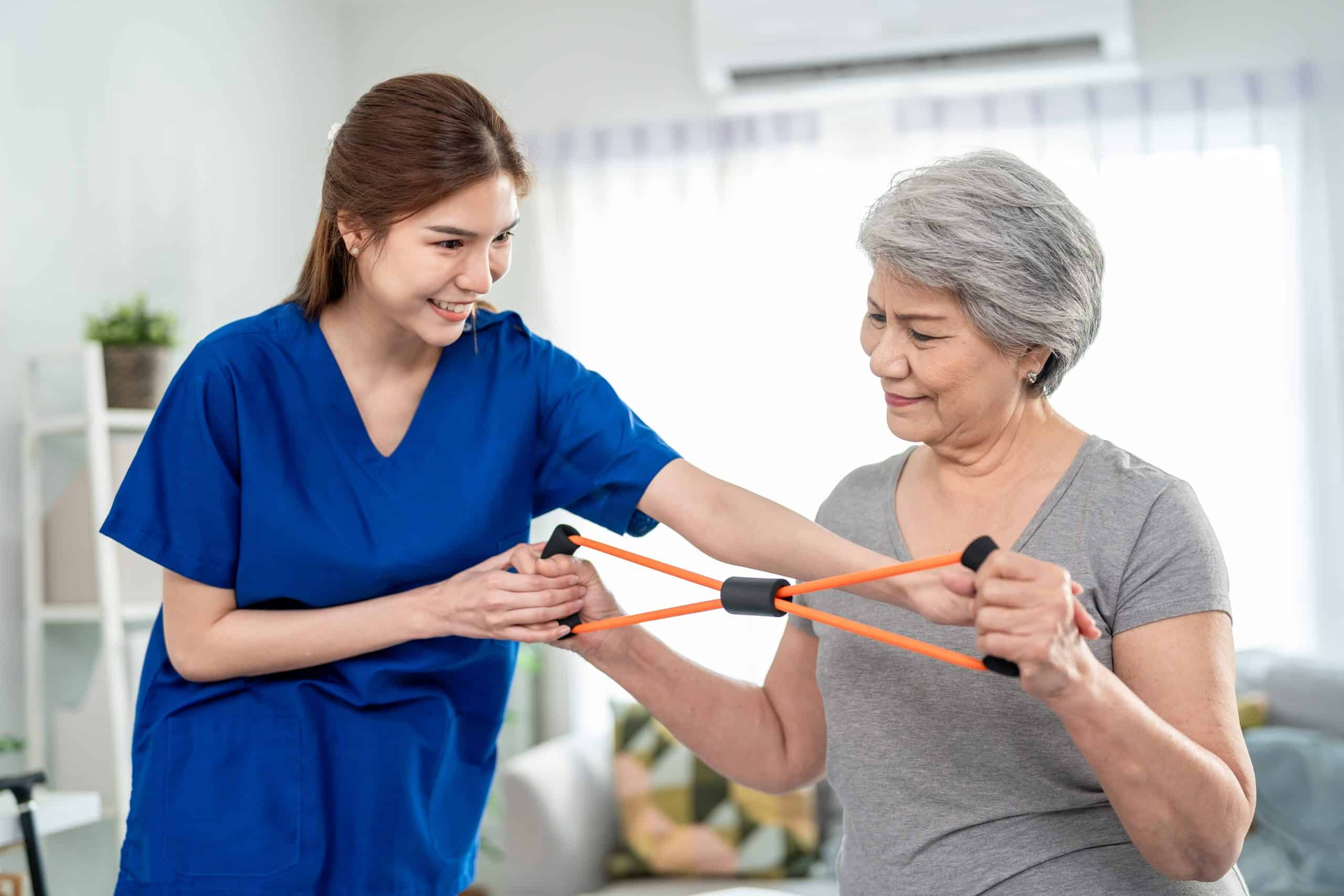
If you’ve recently suffered a sports injury, experienced a neurological event, or been diagnosed with chronic movement dysfunction, you’ve likely encountered both neuromuscular rehabilitation and physiotherapy. While the terms are sometimes used interchangeably in clinical settings, they represent distinct approaches with overlapping goals. Understanding the difference isn’t just semantic—it directly impacts your recovery timeline, treatment protocol, and long-term functional outcomes.
Before we dive into the clinical distinctions, ask yourself: What’s holding back your recovery? If you’re unsure whether your treatment plan addresses nerve signaling, muscle recruitment, or just surface-level mobility, you may be missing a critical layer of healing.
Book a Free 15-Minute Movement Screening to identify your neuromuscular gaps and get matched with the right rehab pathway today.
What Is Neuromuscular Rehabilitation?
Neuromuscular rehabilitation is a specialized, neuroscience-driven approach to restoring optimal communication between the nervous system and the musculoskeletal system. When nerves, muscles, or connective tissues are damaged or disrupted, the brain often compensates with inefficient movement patterns. Neuromuscular rehab targets these faulty neural pathways through targeted motor learning, proprioceptive retraining, and progressive neuromuscular re-education.
Clinicians use techniques like:
- Neuromuscular electrical stimulation (NMES)
- Proprioceptive neuromuscular facilitation (PNF)
- Balance and postural control drills
- Task-specific functional retraining
- Gait analysis and retraining
- Sensory-motor integration exercises
The goal isn’t just to strengthen muscles—it’s to rebuild the brain’s ability to recruit the right muscles at the right time, with precise timing and coordination.
What Is Physiotherapy (Physical Therapy)?
Physiotherapy, commonly known as physical therapy in North America, is a broader, evidence-based healthcare discipline focused on restoring movement, reducing pain, and improving physical function. Physiotherapists address musculoskeletal, cardiopulmonary, neurological, and geriatric conditions using manual therapy, therapeutic exercise, modalities (ultrasound, TENS, heat/cold), and patient education.
Standard physiotherapy often begins with pain management, tissue healing, and basic range-of-motion restoration. It progresses to strength training, functional mobility, and return-to-activity protocols. While many physiotherapists incorporate neuromuscular principles, the scope remains wider and less neurologically targeted than dedicated neuromuscular rehabilitation.
Key Differences Between Neuromuscular Rehabilitation and Physiotherapy
Primary Focus
Neuromuscular rehabilitation retrains nerve-muscle signaling, motor control, and proprioception for precise movement.
Standard physiotherapy prioritizes pain relief, tissue healing, and restoring general mobility across broader conditions.
This core difference shapes every stage of care, from assessment to discharge planning.
Target Populations
Neuromuscular rehab serves neurological cases: stroke, TBI, neuropathy, chronic instability, or nerve-disrupted recovery.
Physiotherapy supports acute injuries, post-op orthopedics, arthritis, and general deconditioning or age-related decline.
Each approach matches patient needs to clinical expertise for optimal outcomes.
Assessment Methods
Neuromuscular specialists use EMG, force plates, dynamic gait analysis, and neurological reflex testing for deep neural profiling.
Physiotherapists typically rely on range-of-motion goniometry, manual strength tests, and functional movement screens.
Advanced tools enable precise diagnosis of motor control deficits versus general mobility limitations.
Treatment Progression
Neuromuscular rehab progresses: neural adaptation → motor learning → functional integration into real-world movement.
Physiotherapy advances: inflammation control → mobility restoration → strength building → return to activity/sport.
Each pathway reflects its underlying philosophy—rewiring the nervous system versus restoring physical capacity.
Session Structure & Takeaway
Neuromuscular sessions are highly individualized, repetition-driven, and designed to trigger neuroplastic change.
Physiotherapy often follows standardized, diagnosis-based protocols with manual therapy, modalities, and group options.
Understanding these distinctions ensures patients and providers select the right approach for each unique recovery journey.
The core distinction lies in neurological targeting. Neuromuscular rehabilitation assumes that movement dysfunction often originates in faulty neural recruitment, not just weak muscles. Physiotherapy addresses the entire kinetic chain but may not dive as deeply into motor cortex reprogramming unless specifically trained in neuro-rehab.
Where They Overlap: The Shared Foundation
Despite their differences, both disciplines share foundational principles:
- Evidence-based practice
- Patient-centered goal setting
- Progressive overload and functional movement
- Emphasis on long-term independence and injury prevention
- Integration of manual therapy and active exercise.
Many modern physiotherapy clinics now offer neuromuscular rehabilitation as a specialized track, reflecting the growing recognition that nerve-muscle communication is central to lasting recovery. The lines are blurring, but the depth of neurological intervention remains the differentiator.
When to Choose Neuromuscular Rehabilitation Over Standard Physiotherapy
Consider prioritizing neuromuscular rehabilitation if:
- You experience muscle weakness without structural damage
- You have balance deficits, frequent tripping, or unexplained falls
- You’re recovering from stroke, spinal cord injury, or traumatic brain injury
- Post-surgical recovery isn’t progressing despite standard PT
- You struggle with chronic joint instability or recurrent sprains
- You notice “muscle shutdown” or delayed activation during movement
If your issue is primarily acute inflammation, post-operative stiffness, or general deconditioning, standard physiotherapy may be sufficient. However, if your recovery has plateaued or you’re dealing with neurological or proprioceptive deficits, neuromuscular rehabilitation should be your next step.
People Also Ask About Neuromuscular Rehabilitation
Here are the 1 most frequently searched questions about neuromuscular rehabilitation.
1. What is neuromuscular rehabilitation?
Neuromuscular rehabilitation is a specialized therapy that restores communication between the nervous system and muscles to improve movement control, coordination, and functional strength.
2. How does neuromuscular rehab work?
It uses targeted exercises, sensory stimulation, and motor learning techniques to retrain the brain to activate muscles efficiently, rebuild proprioception, and correct faulty movement patterns.
3. Is neuromuscular rehabilitation covered by insurance?
Most health insurance plans cover neuromuscular rehab when prescribed by a physician for medically necessary conditions like stroke recovery, neuropathy, or post-surgical nerve impairment. Coverage varies by policy.
4. What conditions does neuromuscular rehabilitation treat?
It treats stroke, TBI, multiple sclerosis, peripheral neuropathy, chronic ankle instability, post-concussion syndrome, spinal cord injuries, and post-operative motor control deficits.
-
How long does neuromuscular rehab take?
Typical programs last 6–12 weeks, with 2–3 sessions weekly. Neurological adaptation is gradual, and full integration into daily movement often takes 3–6 months of consistent practice.
6. Can neuromuscular rehabilitation help with stroke recovery?
Yes. It’s highly effective for retraining motor pathways, reducing spasticity, improving gait, and restoring bilateral coordination after stroke through neuroplasticity-driven exercises.
7. What’s the difference between neuromuscular therapy and physiotherapy?
Neuromuscular therapy focuses on trigger points and soft tissue dysfunction, while neuromuscular rehabilitation targets nerve-muscle signaling and motor control. Physiotherapy is broader and encompasses both, plus joint, cardiopulmonary, and general mobility care.
8. Do I need a referral for neuromuscular rehabilitation?
In many regions, a physician’s referral is required for insurance coverage. However, private clinics and direct-access states allow self-referral for evaluation and treatment.
9. Is neuromuscular rehabilitation painful?
It should not be painful. Mild muscle fatigue or unfamiliar movement sensations are common, but sharp pain indicates improper progression. Therapists adjust intensity to stay within safe neural adaptation thresholds.
10. What are neuromuscular exercises examples?
Examples include single-leg balance drills, resisted proprioceptive training, cross-crawl patterns, NMES-assisted contractions, reactive agility drills, and closed-chain functional movements.
11. Can neuromuscular rehab improve balance and coordination?
Absolutely. By retraining proprioceptive feedback loops and vestibular integration, it significantly reduces fall risk and enhances dynamic stability in daily activities and sports.
12. How often should you do neuromuscular rehabilitation?
Clinical guidelines recommend 2–3 supervised sessions weekly, plus daily home practice of 15–20 minutes. Consistency drives neuroplastic changes faster than intensity alone.
13. Is neuromuscular rehabilitation effective for chronic pain?
Yes. Chronic pain often stems from maladaptive motor patterns and central sensitization. Neuromuscular rehab restores normal movement sequencing, reducing compensatory strain and pain cycles.
14. What qualifications should a neuromuscular rehabilitation specialist have?
Look for licensed physical therapists or occupational therapists with additional certifications in neuro-rehab, NDT, PNF, or clinical neuromuscular training. Board-certified neurology specialists (NCS) are ideal for complex cases.
15. Can I do neuromuscular rehabilitation at home?
You can perform foundational exercises at home, but initial assessment and progression planning require professional guidance to avoid reinforcing faulty patterns or causing neural overload.
Download our free “Neuromuscular Recovery Starter Guide” with 7 evidence-based home drills, safety checkpoints, and progression trackers. Get instant access to begin retraining your nervous system safely.
Evidence-Based Benefits & Clinical Applications
Modern research consistently supports neuromuscular rehabilitation across multiple domains. Neuroimaging studies show increased cortical activation in motor regions after just 4 weeks of targeted retraining. Biomechanical analyses reveal improved ground reaction force symmetry, reduced joint loading, and faster reaction times in patients completing structured programs.
Key clinical applications includes
Peripheral Neuropathy:
Enhancing distal proprioception and reducing fall risk
Concussion Management:
Rebuilding visual-vestibular-motor integration for safe return-to-play
Aging Populations:
Preserving motor unit recruitment density and functional independence
The common thread? Neuroplasticity. The brain remains adaptable well into adulthood. Neuromuscular rehabilitation leverages this capacity by delivering precise, repetitive, task-specific stimuli that force neural pathways to rewire.
How to Find the Right Specialist
Not all clinics offer true neuromuscular rehabilitation. Many market general physiotherapy under advanced terminology. To ensure you’re receiving specialized care:
- Ask about their assessment protocol (Do they use EMG, force plates, or dynamic gait analysis?)
- Request their certification credentials (NCS, OCS, or neuro-specific training)
- Review their treatment progression model (Is it neural adaptation-focused or protocol-driven?)
- Verify home program customization (Neuromuscular rehab requires daily neural reinforcement)
- Check outcome tracking (Do they measure motor control metrics, not just pain scales?)
Schedule a 30-Minute Clinical Consultation with a board-certified neuromuscular specialist. Get a personalized movement analysis, treatment roadmap, and clear recovery milestones—no guesswork, just science-backed progress.
Frequently Misunderstood Concepts
Myth 1: Neuromuscular rehab is only for stroke patients.
Reality: It’s used for athletes, post-surgical patients, chronic pain sufferers, and anyone with movement dysfunction rooted in faulty neural recruitment.
Myth 2: It’s just fancy stretching or massage.
Reality: It’s a cognitive-motor intervention requiring active participation, neural feedback loops, and progressive motor learning.
Myth 3: Strong muscles fix nerve issues.
Reality: Strength without proper timing leads to compensation injuries. Neuromuscular rehab prioritizes when muscles fire, not just how much.
Myth 4: Progress is linear.
Reality: Neural adaptation follows a plateau-restructure-advance pattern. Temporary setbacks are normal as the CNS recalibrates.
Final Verdict: Are They the Same?
No. Neuromuscular rehabilitation is a specialized subset of physiotherapy with a distinct neurological focus. While standard physiotherapy excels at pain management, tissue healing, and general mobility restoration, neuromuscular rehab targets the brain-muscle communication system to rebuild precise, efficient, and resilient movement patterns. Think of physiotherapy as the foundation and neuromuscular rehabilitation as the precision architecture built on top of it.
Choosing the right approach depends on your diagnosis, recovery stage, and long-term movement goals. If standard therapy hasn’t broken your plateau, or if your dysfunction involves coordination, balance, or neurological disruption, it’s time to escalate to neuromuscular-focused care.
Get a Custom Neuromuscular Rehab Plan in 48 Hours. Our licensed clinicians analyze your movement patterns, identify neural bottlenecks, and deliver a step-by-step protocol tailored to your body and goals.
Conclusion
Understanding the difference between neuromuscular rehabilitation and physiotherapy empowers you to make informed healthcare decisions. Recovery isn’t just about healing tissue—it’s about retraining the nervous system to move safely, efficiently, and confidently again. Whether you’re an athlete returning to sport, a stroke survivor rebuilding independence, or someone navigating chronic instability, targeted neuromuscular intervention can be the missing link in your recovery journey.
Don’t settle for generic protocols when your nervous system deserves precision. Invest in a recovery strategy that addresses the root cause, not just the symptoms.
Start Your Recovery Journey Today. Click here to claim your complimentary neuromuscular assessment, secure your spot with a certified specialist, and take the first step toward lasting movement freedom.