Charcot-Marie-Tooth Disease and Foot Deformities
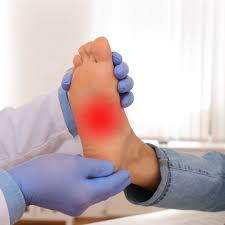
Charcot-Marie-Tooth (CMT) disease affects approximately 1 in 2,500 people, making it one of the most common inherited neurological disorders. While CMT impacts peripheral nerves throughout the body, foot deformities are often the most visible and functionally limiting symptoms. Understanding these structural changes is crucial for early intervention and maintaining mobility.
How CMT Causes Foot Deformities
CMT damages the peripheral nerves responsible for transmitting signals between your brain, spinal cord, and muscles. This peripheral neuropathy creates a cascade of biomechanical problems:
Muscle Imbalance and Nerve Degeneration
When motor nerves deteriorate, certain foot muscles weaken while others remain relatively strong. This imbalance pulls the foot into abnormal positions over time. The small intrinsic muscles in the feet typically weaken first, allowing stronger calf muscles to dominate foot positioning.
Progressive Structural Changes
Without proper muscle support, bones and joints gradually shift. What begins as subtle changes can progress to significant foot deformities that affect walking, balance, and quality of life.
🩺 Take Action Now: Schedule Your Comprehensive CMT Evaluation
Don’t wait for deformities to worsen. Early assessment by a neuromuscular specialist can create a personalized treatment plan that preserves mobility and prevents complications.
[Request Your Appointment Today →]
Common CMT Foot Deformities Explained
Pes Cavus (High Arches)
Pes cavus is the hallmark foot deformity in CMT, affecting up to 90% of patients. Unlike normal arches, CMT-related high arches are rigid and don’t absorb shock effectively during walking. This creates excessive pressure on the heel and ball of the foot, leading to pain, calluses, and stress fractures.
Why it happens: Weakness in the tibialis anterior muscle (which lifts the foot) combined with relatively stronger posterior tibialis muscle pulls the arch upward.
Hammertoes and Claw Toes
As CMT progresses, toe deformities frequently develop. Hammertoes cause the middle toe joint to bend downward, while claw toes affect multiple joints, creating a claw-like appearance.
These deformities occur when intrinsic foot muscles weaken, allowing stronger toe extensors and flexors to pull toes into abnormal positions. The result: painful corns, difficulty finding shoes, and increased fall risk.
Foot Drop
Foot drop isn’t a deformity in the traditional sense but a functional impairment where you cannot lift the front part of your foot. This causes a characteristic “stoppage gait” where you lift your knee higher to prevent dragging your toes.
Foot drop results from weakness in the dorsiflexor muscles, particularly the tibialis anterior. Without intervention, compensatory movement patterns can lead to hip and knee problems.
Ankle Instability and Varus Deformity
Many CMT patients develop ankle Varus, where the heel tilts inward. This creates chronic ankle instability, frequent sprains, and difficulty walking on uneven surfaces. The combination of weak peroneal muscles and tight posterior tibialis muscle creates this inward tilt.
Diagnosis and Assessment
Early recognition of CMT foot deformities enables timely intervention. Diagnosis typically involves:
- Clinical examination assessing muscle strength, reflexes, and foot structure
- Nerve conduction studies measuring electrical signal speed through nerves
- Genetic testing identifying specific CMT mutations
- Gait analysis evaluating walking patterns and pressure distribution
- X-rays or MRI assessing bone alignment and soft tissue changes
Treatment and Management Strategies
Conservative Management
Custom Orthotics and Bracing
Ankle-foot orthoses (AFOs) are game-changers for CMT patients. These custom braces:
- Support weak ankles and prevent foot drop
- Redistribute pressure away from painful areas
- Improve gait efficiency and reduce fall risk
- Slow progression of deformities
Modern AFOs are lightweight, carbon-fiber designs that fit comfortably in regular shoes.
👣 Walk with Confidence: Get Custom-Fitted AFO Braces
Our certified orthotists specialize in CMT-specific bracing solutions. Experience lightweight comfort and improved mobility with braces designed for your unique foot structure.
[Claim Your Free Brace Consultation →]
Physical Therapy and Exercise
Targeted exercises maintain flexibility and strength:
- Calf stretching prevents Achilles tendon tightness
- Toe exercises preserve intrinsic muscle function
- Balance training reduces fall risk
- Low-impact aerobic activity maintains cardiovascular health
Avoid high-impact activities that stress already-compromised feet.
Preserve Your Mobility: Join Our CMT Physical Therapy Program
Generic exercises aren’t enough. Our specialized PT program addresses CMT’s unique challenges with evidence-based techniques designed to maintain strength and independence.
[Start Your Personalized PT Plan →]
Proper Footwear
Shoe selection is critical:
- Deep toe boxes accommodate hammertoes
- Firm heel counters provide stability
- Rocker soles reduce pressure on the ball of the foot
- Custom modifications may be necessary for severe deformities
Surgical Intervention
When conservative measures fail, CMT foot surgery can correct deformities and restore function:
Soft Tissue Procedures:
- Tendon transfers rebalance muscle forces
- Achilles tendon lengthening addresses equinus deformity
- Plantar fascia release reduces arch height
Bony Procedures:
- Osteotomies realign bones
- Joint fusions (arthrodesis) stabilize severe deformities
- Calcaneal osteotomy corrects heel varus
Surgery typically addresses one problem at a time, with recovery spanning 3-12 months depending on procedure complexity.
Living Well with CMT Foot Deformities
Daily Foot Care
Inspect feet daily for:
- Redness or pressure points
- Blisters or skin breakdown
- Nail problems
- Swelling or temperature changes
Loss of sensation means injuries can go unnoticed, leading to serious complications.
Protect Your Feet: Download Our Free CMT Foot Care Guide
Get expert tips on daily inspections, shoe selection, ulcer prevention, and warning signs that need immediate attention—all in one easy-to-use resource.
[Get Your Free Guide Instantly →]
Pain Management
Chronic foot pain affects many CMT patients. Management strategies include:
- NSAIDs for inflammation
- Neuropathic pain medications (gabapentin, pregabalin)
- Topical analgesics
- TENS units
- Acupuncture
Maintaining Independence
Adaptive strategies preserve autonomy:
- Home modifications (ramps, grab bars)
- Assistive devices (canes, walkers)
- Energy conservation techniques
- Occupational therapy for daily living skills
Prevention and Early Intervention
While you cannot prevent CMT itself, early intervention can slow deformity progression:
- Regular monitoring by neurologists and podiatrists
- Prompt orthotic intervention at first signs of weakness
- Consistent stretching to maintain flexibility
- Weight management to reduce foot stress
- Avoiding neurotoxic substances (excessive alcohol, certain chemotherapy drugs)
Children with CMT benefit from early bracing to prevent fixed deformities during growth.
Research and Future Treatments
Exciting developments offer hope:
- Gene therapy trials targeting specific CMT mutations
- Neuroprotective medications to slow nerve degeneration
- Advanced biomaterials for better orthotic devices
- Regenerative medicine exploring nerve repair
Clinical trials are ongoing—ask your neurologist about eligibility.
🔬 Be Part of the Future: Explore CMT Clinical Trial Options
Groundbreaking treatments are being tested right now. Find out if you qualify for research studies that could change the trajectory of CMT care.
[Check Your Trial Eligibility →]
Questions About CMT and Foot Deformities
1. “What foot problems does Charcot-Marie-Tooth disease cause?”
CMT primarily causes high arches (pes cavus), hammertoes, foot drop, and ankle instability. These result from muscle weakness and imbalance due to peripheral nerve damage.
2. “Can CMT foot deformities be reversed?”
Early-stage deformities may improve with bracing and physical therapy. Established bony deformities typically require surgery for correction, though progression can often be slowed with conservative management.
3. “What is the best footwear for CMT?”
Shoes should have deep toe boxes, firm heel support, rocker soles, and removable insoles for custom orthotics. Brands like Drew, Apex, and Orth feet specialize in therapeutic footwear.
4. “Do I need braces for CMT?”
Most CMT patients benefit from ankle-foot orthoses (AFOs) at some point. Braces improve walking, prevent falls, and slow deformity progression. Early use often yields better outcomes.
5. “Is CMT foot deformity painful?”
Yes, many patients experience pain from abnormal pressure distribution, joint stress, muscle cramps, and nerve damage. Pain management is an important aspect of CMT care.
6. “Can physical therapy help CMT foot problems?”
Physical therapy maintains flexibility, strengthens remaining muscle function, improves balance, and teaches compensatory strategies. While it cannot reverse nerve damage, it significantly improves function.
7. “What age do CMT foot deformities start?”
Foot changes can begin in childhood (ages 5-15) for early-onset CMT, or in adulthood for later-onset forms. High arches are often the first visible sign.
8. “Does CMT get worse over time?”
CMT is progressive, but the rate varies greatly. Some experience slow change over decades; others progress more rapidly. Proper management can maintain function and quality of life.
9. “Can you walk normally with CMT?”
Many CMT patients walk independently with assistive devices or braces. Gait may be altered (foot drop, high-stepping), but mobility is often preserved with proper intervention.
10. “What surgery options exist for CMT feet?”
Common procedures include tendon transfers, osteotomies, joint fusions, and Achilles tendon lengthening. Surgery aims to correct deformity, improve function, and reduce pain.
11. “Are custom orthotics worth it for CMT?”
Absolutely. Custom orthotics redistribute pressure, support arches, accommodate deformities, and improve comfort. Over-the-counter inserts rarely provide adequate support for CMT.
12. “Can CMT cause complete foot paralysis?”
Severe cases can cause significant weakness, but complete paralysis is uncommon. Most patients retain some foot function throughout life, though assistive devices may be needed.
13. “How do I prevent CMT foot ulcers?”
Daily foot inspection, proper footwear, moisture management, prompt treatment of blisters, and regular podiatry visits prevent ulcers. Loss of sensation increases ulcer risk significantly.
14. “Is swimming good for CMT?”
Yes! Swimming and water aerobics provide excellent low-impact exercise that maintains fitness without stressing weakened feet and ankles.
15. “Can children with CMT play sports?”
Many children participate in modified sports. Low-impact activities like swimming, cycling, and golf are ideal. High-impact sports may accelerate joint damage and should be discussed with your care team.