How Does Biochemical Rehabilitation Help Back Pain?
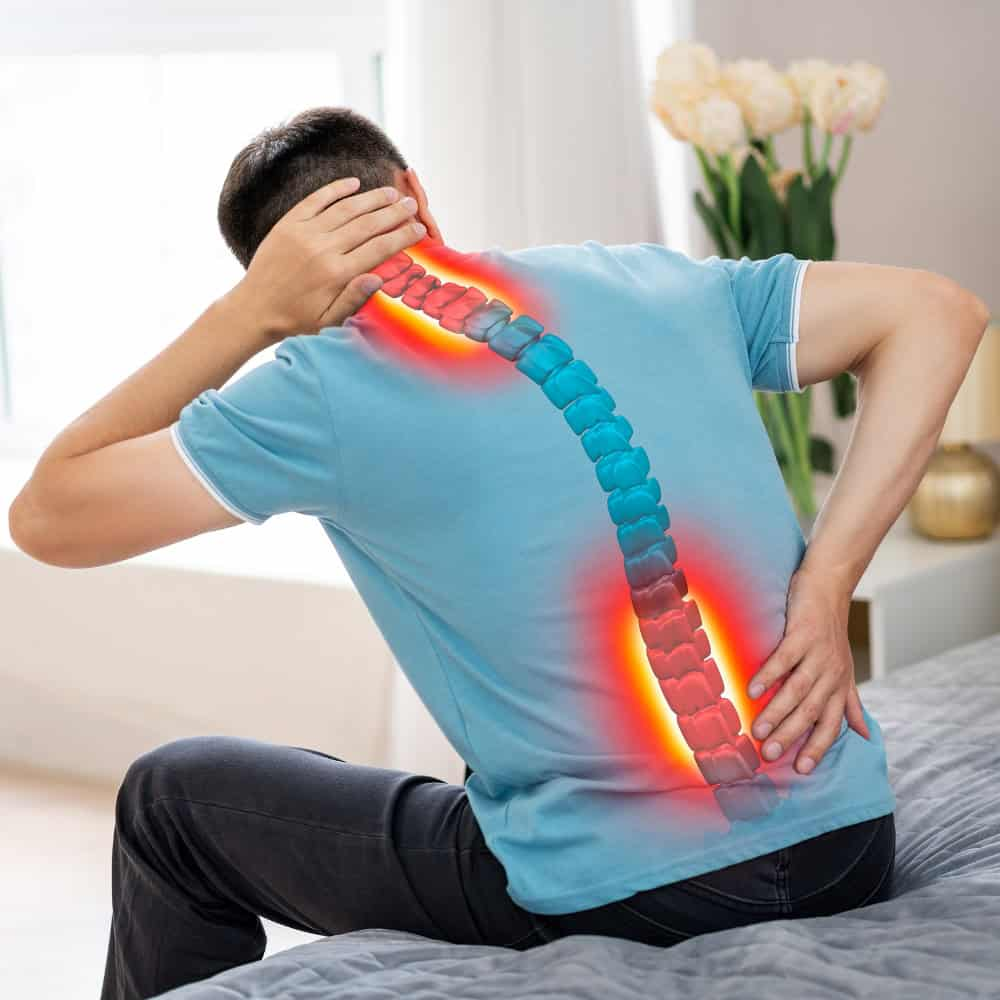
If you’re wondering how biochemical rehabilitation helps back pain?, you’re exploring one of the fastest-evolving frontiers in musculoskeletal medicine. Unlike traditional approaches that focus primarily on mechanical alignment or symptom suppression, biochemical rehabilitation targets the root physiological drivers of spinal discomfort: chronic inflammation, impaired cellular repair, and dysregulated pain signaling. By combining targeted nutrition, regenerative protocols, and neurochemical balancing, this evidence-based pathway accelerates natural healing while restoring long-term spinal function.
What Is Biochemical Rehabilitation for Back Pain?
Biochemical rehabilitation is a multidisciplinary, physiology-first approach that addresses back pain at the molecular and cellular levels. Rather than treating the spine as a purely structural system, this model recognizes that tissue damage, nerve irritation, and persistent pain are heavily influenced by biochemical imbalances.
The protocol typically integrates:
- Targeted anti-inflammatory nutrition to downregulate pro-inflammatory cytokines (IL-6, TNF-α)
- Regenerative adjuncts like PRP (platelet-rich plasma) or exosome therapy to stimulate extracellular matrix repair
- Neurochemical modulation through guided supplementation and lifestyle optimization
- Functional movement re-education synchronized with tissue healing phases
This approach is particularly effective for chronic disc degeneration, facet joint arthritis, post-surgical scar tissue pain, and recurrent muscular spasms that resist conventional physical therapy.
Still managing pain with temporary fixes? Schedule a Free Back Pain Assessment Today to discover if biochemical rehab is right for your specific condition.
The Science Behind How Biochemical Rehabilitation Helps Back Pain
Back pain isn’t just a mechanical issue; it’s a biochemical cascade. When spinal tissues are injured or chronically stressed, the body releases inflammatory mediators that sensitize nerve endings, degrade collagen, and impair blood flow. Biochemical rehabilitation interrupts this cycle through three primary mechanisms.
Targeting Inflammation at the Cellular Level
Chronic back pain is strongly correlated with elevated systemic and local inflammatory markers. Standard painkillers mask symptoms but don’t resolve the underlying cytokine storm. Biochemical rehab uses precision nutraceuticals (curcumin phytosomes, omega-3 EPA/DHA, boswellia serrata) alongside targeted dietary shifts to shift the body from a pro-inflammatory to a pro-resolving state. This reduces edema around nerve roots, decreases facet joint swelling, and creates a biochemical environment conducive to healing.
Restoring Neurochemical Balance
Persistent pain alters neurotransmitter production, particularly serotonin, GABA, and endogenous opioids. Over time, the central nervous system becomes hypersensitive—a condition known as central sensitization. Biochemical rehabilitation addresses this by optimizing micronutrient cofactors (magnesium, B-complex, vitamin D3) and implementing graded exposure protocols that retrain pain pathways. The result isn’t just reduced discomfort; it’s restored pain tolerance and improved sleep architecture, which is critical for tissue recovery.
Accelerating Tissue Repair and Regeneration
Intervertebral discs, ligaments, and paraspinal muscles have notoriously poor blood supply, making natural repair slow. Biochemical protocols enhance cellular turnover by delivering concentrated growth factors and amino acid building blocks directly to compromised areas. When combined with controlled mechanical loading (specific rehab exercises), this stimulates fibroblast activity, collagen cross-linking, and fascial remodeling. Over 8–12 weeks, patients often report measurable improvements in mobility, reduced stiffness, and fewer pain flare-ups.
Key Components of a Biochemical Rehab Program
A clinically sound biochemical rehabilitation protocol is never one-size-fits-all. It’s built on diagnostic biomarkers, imaging correlation, and individual metabolic profiling. Core components include:
Inflammatory Biomarker Testing:
CRP, ESR, homocysteine, and omega-6/omega-3 ratios guide nutritional interventions.
Phase-Specific Supplementation:
Acute phase focuses on resolution; subacute phase emphasizes tissue synthesis
;maintenance phase prioritizes neuroprotection.
Regenerative Adjuncts:
When appropriate, clinicians integrate PRP, prolotherapy, or peptide-based protocols to jumpstart localized healing.
Metabolic Movement Therapy:
Exercise prescription is timed to match cellular recovery windows, avoiding overtraining that spikes cortisol and inflammation.
Gut-Spine Axis Optimization:
Emerging research confirms that dysbiosis exacerbates systemic inflammation. Probiotic strains, fiber optimization, and gut-healing protocols are increasingly standard in back pain recovery.
Don’t guess your way to recovery. Download Our Free Guide to Biochemical Healing for Back Pain and learn the exact markers your doctor should be testing.
Who Benefits Most From This Approach?
Biochemical rehabilitation isn’t a replacement for emergency surgical care, but it’s highly effective for:
- Chronic mechanical low back pain (>3 months)
- Degenerative disc disease without severe neurological deficit
- Post-laminectomy or fusion syndrome
- Recurrent sciatica driven by inflammatory nerve irritation
- Athletes and active adults seeking faster, sustainable recovery
- Patients who’ve plateaued on traditional physical therapy or medication management
Contraindications include active infections, uncontrolled autoimmune flares, or acute fractures. A qualified clinician will always screen for red flags before initiating biochemical protocols.
“People Also Ask”
What is biochemical rehabilitation for back pain?
A science-backed treatment approach that targets cellular inflammation, tissue repair, and nervous system regulation to resolve chronic back pain at its physiological root.
Does biochemical rehab actually work for chronic back pain?
Clinical studies show significant pain reduction and functional improvement when biochemical protocols are combined with targeted movement therapy, especially for degenerative and inflammatory back conditions.
How long does biochemical rehabilitation take to work?
Most patients notice measurable symptom relief within 4–6 weeks, with structural and functional improvements peaking between 10–14 weeks of consistent protocol adherence.
Biochemical vs physical therapy for back pain?
Physical therapy focuses on mechanical mobility and strength; biochemical rehab addresses inflammation, nutrient deficiencies, and cellular repair. The most effective programs integrate both.
Cost of biochemical rehabilitation back pain treatment?
Programs typically range from $1,500 to $6,000 depending on testing, supplementation, and adjunct therapies. Many clinics offer payment plans or phased pricing.
Is biochemical rehabilitation covered by insurance?
Most insurance plans cover diagnostic labs and supervised physical rehab, but regenerative adjuncts and specialty nutraceuticals are often out-of-pocket. FSA/HSA funds usually apply.
How does biochemical rehab reduce back inflammation?
By modulating cytokine production, optimizing omega fatty acid ratios, and delivering targeted antioxidants that neutralize oxidative stress in spinal tissues.
Can biochemical rehabilitation fix herniated disc?
It can’t reverse severe structural herniation requiring surgery, but it significantly reduces disc-related inflammation, promotes annular healing, and relieves nerve compression symptoms.
Biochemical rehabilitation vs stem cell therapy back pain?
Stem cell therapy focuses on cellular replacement; biochemical rehab optimizes the body’s internal environment to support natural healing. They’re often used synergistically, not as replacements.
Evidence for biochemical rehabilitation of back pain?
Peer-reviewed research in journals like Pain Medicine and Journal of Orthopaedic Research supports anti-inflammatory nutrition, targeted supplementation, and regenerative protocols for musculoskeletal recovery.
What to expect during biochemical rehab sessions?
Initial visits include biomarker testing and movement assessment. Follow-ups involve protocol adjustments, supervised therapeutic exercises, and progress tracking via pain scales and functional benchmarks.
Biochemical rehabilitation diet for back pain recovery?
Emphasizes anti-inflammatory foods (fatty fish, leafy greens, berries), eliminates processed sugars and industrial seed oils, and prioritizes collagen-supporting nutrients like vitamin C and glycine.
Biochemical rehabilitation side effects back pain?
Generally minimal. Some patients experience mild detox-like fatigue or temporary muscle soreness as inflammation shifts. Serious adverse events are rare when supervised by licensed clinicians.
Best biochemical rehabilitation clinics near me?
Look for multidisciplinary centers offering functional medicine, sports rehab, and regenerative therapy under one roof, with transparent pricing and published patient outcomes.
Is biochemical rehabilitation safe for elderly back pain patients?
Yes, when appropriately dosed and monitored. Older adults often respond exceptionally well due to targeted nutrient repletion and reduced reliance on NSAIDs or opioids. Ready to cut through the noise? Book a 15-Minute Consultation With a Rehab Specialist to map your personalized biochemical recovery timeline.
Is Biochemical Rehabilitation Right for You?
If your back pain persists despite rest, medication, or standard exercises, it’s likely driven by unresolved biochemical stressors rather than pure mechanical failure. The body doesn’t heal in isolation; it requires the right molecular building blocks, controlled inflammatory resolution, and nervous system recalibration. Biochemical rehabilitation provides that framework.
Success depends on three factors: accurate diagnostic profiling, consistent protocol adherence, and progressive functional loading. Patients who combine biochemical optimization with guided movement typically experience faster pain resolution, fewer relapses, and greater long-term spinal resilience.
Before beginning, ensure your provider:
- Reviews full medical history and recent imaging
- Orders baseline inflammatory and metabolic panels
- Customizes supplement dosing to your biomarkers
- Coordinates with physical therapists or movement specialists
- Tracks progress using validated outcome measures
Not sure where to start? Take the Back Pain Recovery Quiz to See If You Qualify for Our Structured Biochemical Program.
The Future of Back Pain Recovery Is Biochemical
Musculoskeletal medicine is shifting from symptom management to physiological restoration. As research continues to validate the gut-spine axis, cytokine modulation, and targeted tissue regeneration, biochemical rehabilitation is moving from niche protocol to mainstream standard of care. For patients tired of temporary relief and ready for lasting recovery, this approach offers a clear, science-backed pathway back to pain-free movement. Your spine doesn’t just need alignment; it needs the right biochemical environment to heal. By addressing inflammation, optimizing cellular repair, and recalibrating pain signaling, biochemical rehabilitation transforms how we treat back pain at its source.
Stop managing pain. Start resolving it. Start Your Biochemical Rehabilitation Program – Limited Spots Available This Month. Click to secure your intake assessment.