Why Does Ankle Pain Occur? A Complete Guide to Causes and Relief
Concise Summary Answer: Ankle pain occurs due to a complex interaction of structural injuries, inflammatory conditions, or biomechanical imbalances. The most common causes include ankle sprains (ligament tears), tendonitis (inflammation of the Achilles or peroneal tendons), and arthritis (joint degeneration). However, sudden ankle pain without injury is often linked to systemic issues like gout, tarsal tunnel syndrome (nerve compression), or poor biomechanical alignment such as flat feet. Professional assessment is essential to determine the exact etiology of ankle pain and prevent chronic instability.
Understanding the Complexity of the Ankle Joint
The human ankle is a high-performance synovial joint responsible for bearing your entire body weight while providing the flexibility needed for walking, running, and jumping. But with this complexity comes vulnerability. Many patients ask, “Why does ankle pain occur?” only to find that the answer ranges from a simple muscle strain to complex chronic ankle instability.
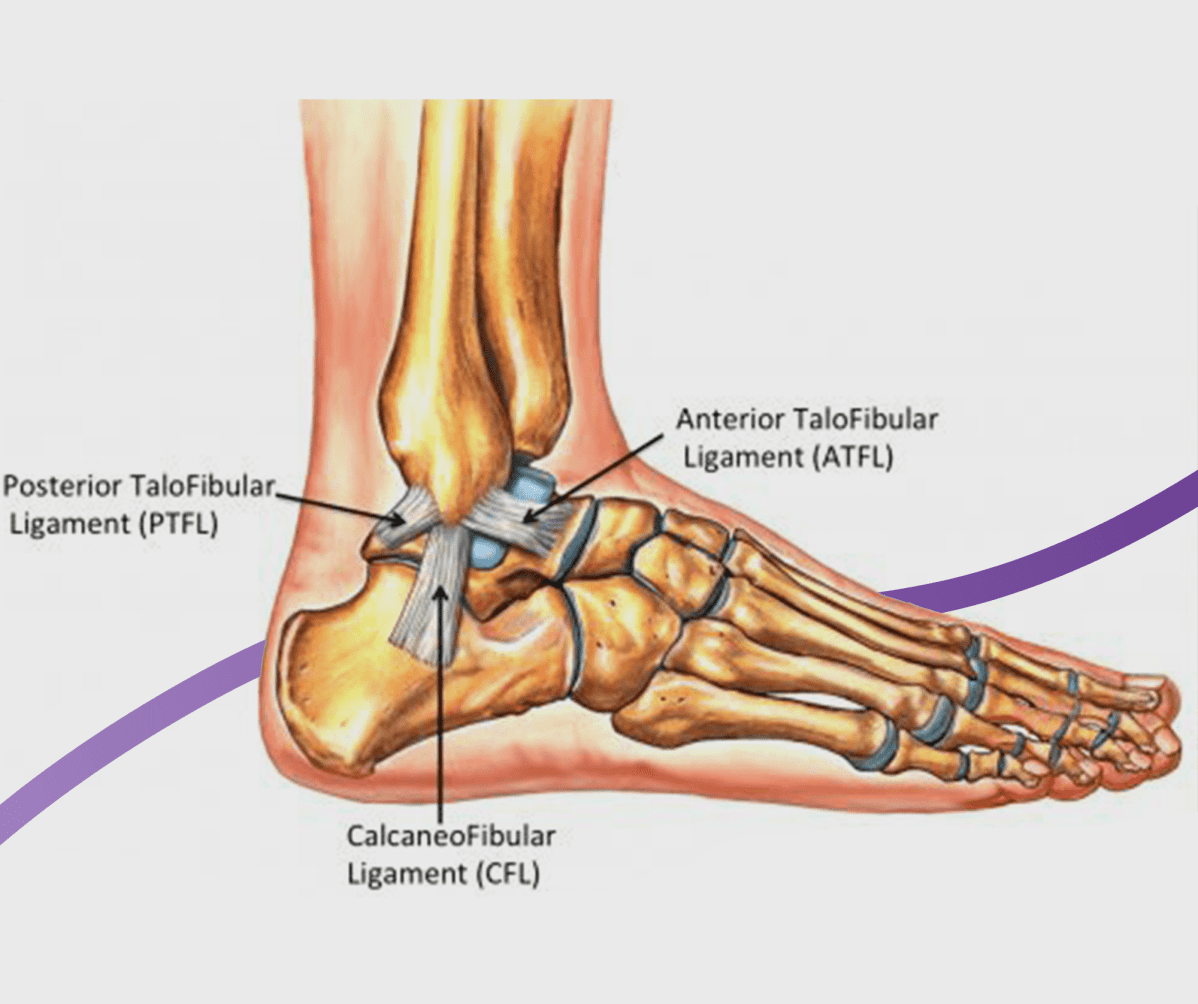
At NBR Clinic in Lahore, we see patients daily who are struggling with everything from a sharp pain in the ankle to a mysterious swollen ankle with no pain. Understanding the anatomy—including the talus, tibia, and fibula—is the first step toward finding lasting ankle pain relief.
Common Causes of Ankle Pain: From Acute Injuries to Chronic Issues
To answer why does ankle pain occur, we must differentiate between acute trauma and gradual-onset conditions.
1. Acute Injuries (Traumatic)
- Ankle Sprains (Inversion / Eversion): The most frequent culprit, usually involving the Anterior Talofibular Ligament (ATFL) or the deltoid ligament. You may hear a popping sound followed by immediate inflammation, bruising, and difficulty with weight-bearing.
- Fractures: This includes everything from a hairline crack to a severe stress fracture of the calcaneus (heel bone) or the lateral malleolus.
2. Overuse & Tendon Conditions
- Achilles Tendonitis & Tendinopathy: Irritation of the thickest tendon in the body, often causing pain at the back of the heel.
- Peroneal Tendonitis: Causes outer ankle pain (lateral), often due to repetitive strain or high arches.
- Posterior Tibial Tendonitis: A primary cause of inner ankle pain (medial) and can lead to the collapse of the foot arch.
3. Inflammatory & Degenerative Diseases
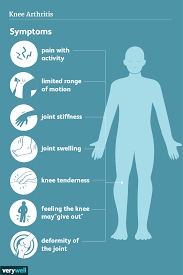
- Arthritis: Both Osteoarthritis (wear and tear of cartilage) and Rheumatoid arthritis (autoimmune) can cause stiffness and redness.
- Gout: Caused by uric acid crystals, leading to a warm to the touch sensation and sudden, excruciating pain.
Why Does Ankle Pain Occur Without a Clear Injury?
It is frustrating when you woke up with ankle pain and no injury. In these cases, the etiology of ankle pain is often biomechanical or systemic.
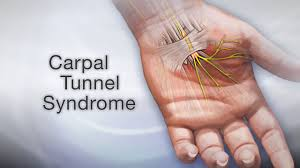
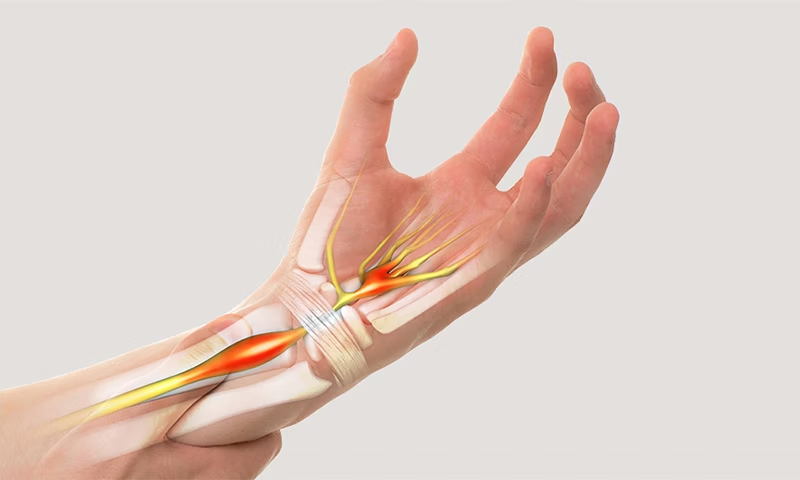
- Tarsal Tunnel Syndrome: Compression of the posterior tibial nerve, often creating a burning sensation in the ankle.
- Sinus Tarsi Syndrome: Often felt as outer ankle pain, this involves inflammation in the small cavity between the talus and calcaneus.
- Biomechanical Imbalances: If your gait is off, it places “micro-strains” on the medial malleolus or lateral malleolus. Over time, this results in ankle pain when walking.
- Referred Pain: Occasionally, issues like plantar fasciitis or even lower back sciatica can manifest as ankle discomfort.
Symptoms and Diagnostic Indicators
When evaluating your condition, a differential diagnosis is key. Watch for these specific signals:
- Instability (Giving Way): A sign of chronic ankle instability or weak ligaments.
- Clicking or Grinding: Suggests an osteophyte (bone spur) or damaged cartilage.
- Sharp Stabbing Pain: Often indicates nerve impingement or an acute subluxation.
- Edema (Swelling): Can be localized or generalized; if it’s a swollen ankle with no pain, it may relate to circulation issues.
Ankle Pain Treatment: Relief and Recovery Strategies
Finding the “best ankle pain treatment at home” usually starts with the RICE protocol, but long-term recovery requires more.
Home Management & Natural Remedies
- How to reduce ankle swelling fast: Use a combination of compression wraps and elevation.
- Ice or Heat? Use ice for acute inflammation (first 48 hours) and heat for chronic stiffness.
- Natural remedies for gout: Hydration and dietary changes are essential, as some ask, “Can dehydration cause ankle pain?” (indirectly, by increasing uric acid concentration).
Professional Interventions at NBR Clinic
For persistent issues, an orthopedic assessment is necessary. Treatments may include:
- Manual Therapy & Biomechanical Correction: To fix the root cause of ankle pain when walking.
- Dry Needling: Highly effective for releasing muscle knots and Improving range of motion.
- Corticosteroid Injections or NSAIDs: To manage severe edema and pain.
- Imaging: Utilizing Radiography (X-ray) or MRI to rule out fractures or ligament ruptures.
FAQs: Frequently Asked Questions About Ankle Pain
Q: What causes sharp stabbing pain in the ankle?
A: This is often caused by nerve entrapment (like Tarsal Tunnel Syndrome), a loose fragment of cartilage, or a sudden ligament tear.
Q: Can I still walk on a sprained ankle?
A: While possible in mild cases, it is not recommended until a professional rules out a fracture. Walking on an unstable joint can lead to chronic ankle instability.
Q: Why does my ankle hurt when I flex it up or down?
A: Pain during dorsiflexion (up) or plantarflexion (down) usually points to tendonitis or ankle impingement (where bone or tissue gets pinched).
Q: Does walking make ankle pain worse?
A: Generally, yes, if the pain is due to a structural issue or inflammation. If pain increases with weight-bearing, rest is vital.
Conclusion: Take the First Step Toward Recovery
So, why does ankle pain occur? As we have explored, it is rarely a single “event” but rather a combination of anatomy, activity, and alignment. Whether you are dealing with sudden ankle pain without injury or a lingering Achilles tendinopathy, ignoring the symptoms only leads to further degeneration.
At NBR Clinic, we don’t just treat the symptom; we rehabilitate the biomechanics. Led by Dr. Riaz Ahmed, our team utilizes over 37 years of expertise in neuromuscular biomechanical rehabilitation to ensure your “wobbly” ankle becomes a stable foundation once again.
Experience personalized rehabilitation at NBR Clinic, located at Aadil Hospital, DHA, Lahore.