Which Body Parts Get Injured the Most in Sports?
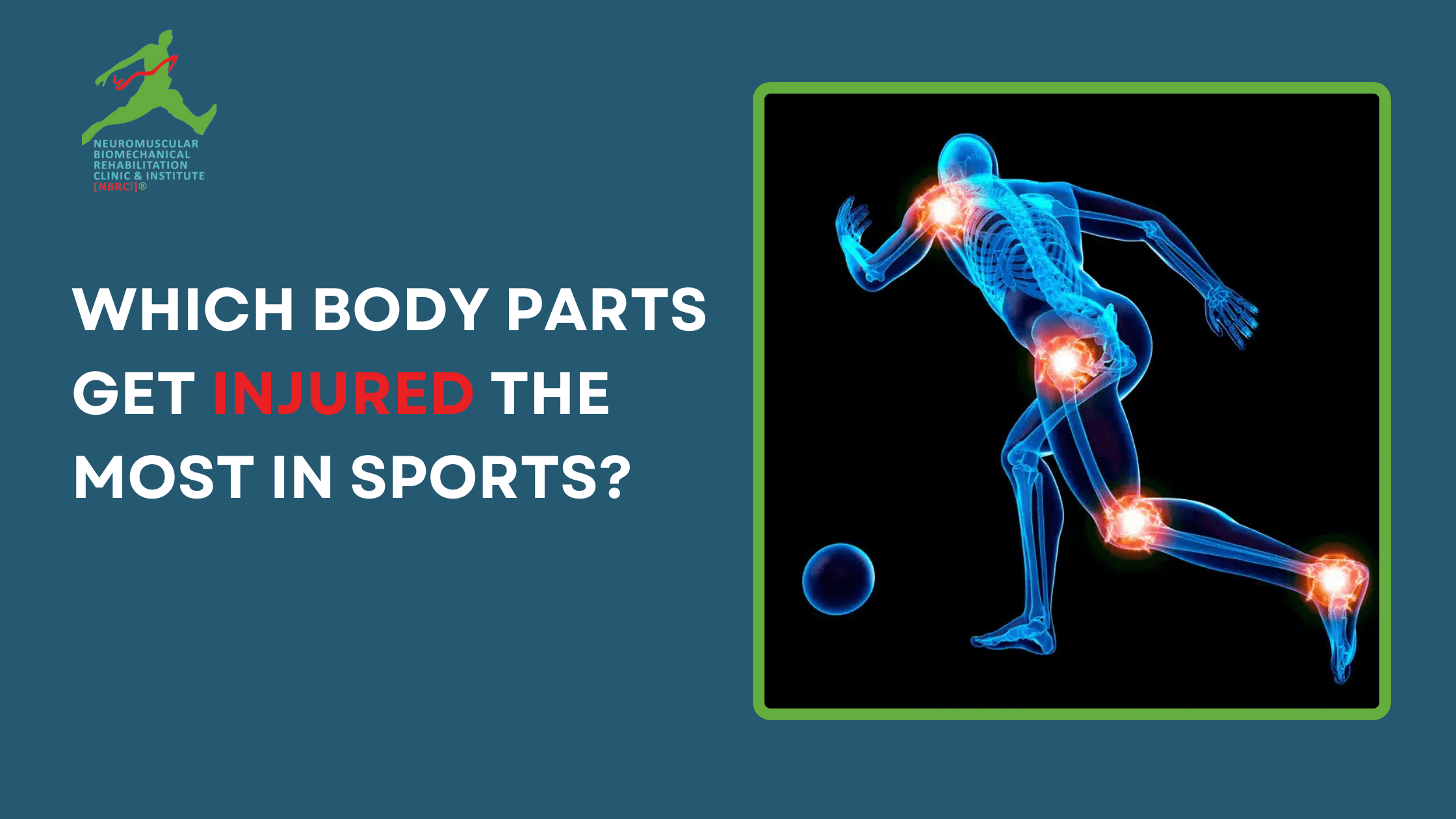
Sports activities play an important role in maintaining physical fitness, mental health, and overall well-being. However, participation in sports also increases the risk of injuries, especially when movements involve speed, force, repetition, or physical contact. Athletes, whether professional or recreational, commonly experience injuries in certain parts of the body due to the mechanical demands of sports. Understanding which body parts get injured the most in sports helps athletes recognize early warning signs, seek timely treatment, and adopt preventive strategies. At NBR Clinic, sports injuries are assessed and treated using evidence-based physiotherapy and rehabilitation approaches to ensure safe recovery and long-term performance.
Knee Injuries: The Most Frequently Affected Body Part
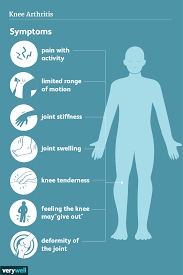
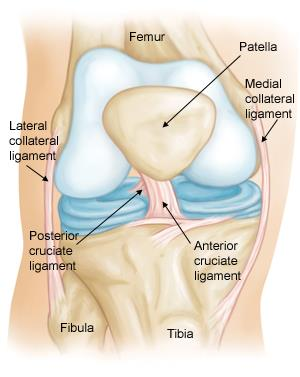
The knee is widely recognized as the most injured body part in sports. It plays a central role in almost every athletic movement, including running, jumping, cutting, and sudden directional changes. Due to its complex structure and weight-bearing function, the knee is highly vulnerable to both acute and overuse injuries. Athletes involved in football, basketball, cricket, and athletics often suffer knee injuries because these sports demand explosive movements and rapid transitions. At NBR Clinic, knee-related complaints are among the most common cases seen in sports physiotherapy, ranging from ligament injuries to chronic pain caused by overuse or poor biomechanics.
Ankle Injuries: Common and Often Recurrent
Ankle injuries are extremely common in sports that involve jumping, sprinting, or uneven playing surfaces. The ankle joint provides stability while allowing movement, but this balance also makes it prone to injury. A single ankle injury, if not rehabilitated properly, can lead to long-term instability and repeated sprains. Many athletes continue playing with minor ankle pain, which increases the risk of chronic issues. At NBR Clinic, ankle injuries are treated with a focus on restoring stability, strength, and proprioception to prevent recurrence and improve overall performance.
Shoulder Injuries: High Risk Due to Mobility
The shoulder is one of the most mobile joints in the human body, which allows a wide range of motion but also increases the risk of injury. Sports that involve throwing, swimming, lifting, or overhead movements place continuous stress on the shoulder structures. Over time, this stress can lead to pain, weakness, and restricted movement. Athletes often ignore early shoulder discomfort until it affects performance. At NBR Clinic, shoulder injuries are carefully evaluated to identify muscle imbalances and movement faults, ensuring complete recovery and safe return to sport.
Muscle Strains and Soft Tissue Injuries
Muscle strains are among the most frequent injuries seen in sports, particularly in athletes who participate in sprinting, jumping, or explosive movements. These injuries often occur due to inadequate warm-up, fatigue, or sudden increases in training intensity. Hamstrings, quadriceps, and calf muscles are especially vulnerable. Without proper rehabilitation, muscle strains can heal improperly and increase the likelihood of future injuries. At NBR Clinic, rehabilitation programs focus on controlled loading, flexibility, and strength restoration to ensure optimal muscle recovery.
Head Injuries and Concussions in Sports
Head injuries, although less common than knee or ankle injuries, are among the most serious sports-related injuries. Contact sports carry a higher risk of concussions due to collisions, falls, or direct impacts. Even mild head injuries should never be ignored, as repeated trauma can have long-term neurological effects. Early recognition and proper management are essential for athlete safety. At NBR Clinic, athletes with suspected head injuries are advised to seek immediate medical evaluation and follow structured recovery protocols before returning to sports.
Back and Spine Injuries Due to Overuse
Back injuries are increasingly common in both amateur and professional athletes. Repetitive movements, poor posture, weak core muscles, and incorrect lifting techniques can place excessive stress on the spine. Lower back pain often develops gradually and may worsen over time if left untreated. Sports that require twisting, bending, or prolonged loading of the spine are particularly associated with back injuries. At NBR Clinic, spinal injuries are managed with a combination of physiotherapy, posture correction, and functional rehabilitation to restore movement and reduce pain.
Why These Body Parts Are Injured More Often
Certain body parts are more prone to injury because they absorb high forces, perform repetitive actions, or lack sufficient muscular support. Poor technique, inadequate conditioning, and insufficient recovery time further increase injury risk. Many athletes continue training despite pain, which leads to chronic injuries and delayed recovery. Identifying movement patterns and correcting underlying issues plays a crucial role in reducing injury frequency.
Importance of Physiotherapy in Sports Injury Recovery
Physiotherapy plays a vital role in both recovery and injury prevention. Early assessment helps determine the severity of injury and prevents further damage. Structured rehabilitation improves strength, flexibility, coordination, and confidence in movement. At NBR Clinic, individualized physiotherapy programs are designed to address the root cause of injury rather than just treating symptoms, ensuring long-term results and reduced risk of re-injury.
Conclusion
The body parts that get injured the most in sports include the knees, ankles, shoulders, muscles, head, and lower back. These injuries often result from high physical demands, repetitive stress, and inadequate recovery. Timely assessment, professional physiotherapy, and preventive care are essential for safe recovery and sustained athletic performance. If you are experiencing sports-related pain or injury, NBR Clinic provides expert evaluation and rehabilitation to help you recover effectively and return to your sport with confidence.
People Also Ask (PAA) – FAQs
What is the most commonly injured body part in sports?
The knee is the most commonly injured body part in sports because it handles body weight, impact, and sudden changes in direction. Sports that involve running, jumping, and pivoting place continuous stress on the knee joint.
Which sports cause the most injuries?
Contact and high-impact sports such as football, basketball, cricket, rugby, and athletics cause the most injuries due to collisions, rapid movements, and repetitive stress on joints and muscles.
Why do athletes get injured so often?
Athletes often get injured due to overtraining, poor technique, inadequate warm-up, muscle imbalance, and insufficient recovery time. Ignoring early pain signs also increases the risk of more serious injuries.
Are sports injuries more common in the legs or arms?
Sports injuries are more common in the legs than in the arms because the lower body absorbs most of the impact during running, jumping, and directional changes. Knees and ankles are especially vulnerable.
What are the most common injuries in runners?
Runners most commonly experience knee pain, shin splints, Achilles tendon issues, and muscle strains. These injuries usually develop due to repetitive stress, improper footwear, or sudden increases in training intensity.
How can I tell if my sports injury is serious?
A sports injury may be serious if pain is severe, swelling does not reduce, movement is restricted, or weight-bearing becomes difficult. Injuries that do not improve within a few days should be professionally assessed.
Do sports injuries heal on their own?
Some mild injuries may heal with rest, but many require proper rehabilitation to prevent long-term damage. Without treatment, injuries can return or worsen over time.
What body parts are most injured in contact sports?
In contact sports, the knees, shoulders, head, and ankles are most commonly injured due to collisions, falls, and direct impact.
How long should I rest after a sports injury?
Rest duration depends on the type of injury. Minor injuries may require a few days of rest, while more serious injuries need structured rehabilitation before returning to sports.
Can physiotherapy help sports injuries recover faster?
Yes, physiotherapy helps reduce pain, restore movement, improve strength, and guide a safe return to sports. It also lowers the risk of re-injury by correcting movement patterns.
When should I return to sports after an injury?
You should return to sports only when pain-free movement, strength, and stability are restored. Returning too early increases the chance of re-injury.
Where can I get professional sports injury treatment?
Professional sports injury assessment and rehabilitation are available at NBR Clinic, where treatment plans are designed to support safe recovery and long-term performance.