What Are Common Biomechanical Injuries? Causes, Types, and Prevention
Biomechanics plays a critical role in how the human body moves, absorbs force, and maintains balance during daily activities and sports. When movement patterns are inefficient or mechanical stress exceeds the body’s tolerance, injuries occur. These injuries are commonly referred to as biomechanical injuries. Understanding common biomechanical injuries, their causes, and prevention strategies is essential for athletes, office workers, and anyone experiencing recurring pain.
This article provides an evidence-based explanation of biomechanics-related injuries, their underlying mechanisms, and how professional biomechanical evaluation can help prevent long-term damage.
Understanding Biomechanical Injuries
Biomechanical injuries are injuries caused by faulty movement mechanics, abnormal load distribution, or repetitive stress on muscles, joints, and connective tissues. Unlike traumatic injuries caused by sudden accidents, biomechanical stress injuries develop gradually due to poor movement patterns, muscle imbalances, or joint alignment issues.
When the kinetic chain does not function efficiently, certain tissues experience tissue overload, leading to inflammation, pain, and structural compensation. Over time, this can result in chronic musculoskeletal injuries.
Common Causes of Biomechanical Injuries
Biomechanical injuries rarely occur due to a single factor. Instead, they develop from a combination of mechanical and functional issues, including:
1. Faulty Movement Patterns
Improper walking, running, lifting, or posture can create abnormal movement patterns. These patterns increase mechanical stress on specific joints and muscles, leading to repetitive strain injuries.
2. Muscle Imbalances
When some muscles are overactive while others are weak, the body compensates by altering movement efficiency. This imbalance disrupts force absorption and increases injury risk.
3. Joint Alignment Issues
Poor joint alignment affects load distribution in joints, especially in the knees, hips, shoulders, and spine. Over time, this results in joint and muscle injuries.
4. Repetitive Stress and Overuse
Overuse injuries occur when tissues do not have enough recovery time. Repetitive strain injuries are common in athletes, manual laborers, and individuals with desk jobs.
5. Poor Posture and Ergonomics
Injury caused by poor posture is increasingly common due to prolonged sitting, mobile phone use, and improper workstation setup.
Common Biomechanical Injuries Explained
Below are the most frequently observed biomechanical injury types, based on clinical physiotherapy assessment and sports biomechanics research.
1. Lower Back Pain (Lumbar Biomechanical Injury)
Lower back pain is one of the most common musculoskeletal injuries worldwide. It often results from poor posture, weak core muscles, and faulty lifting mechanics.
When force absorption fails in the hips and core, excessive load is transferred to the lumbar spine. This leads to mechanical stress on muscles and ligaments, causing pain and stiffness.
Common contributing factors include:
- Poor sitting posture
- Weak core stabilizers
- Abnormal movement patterns during bending or lifting
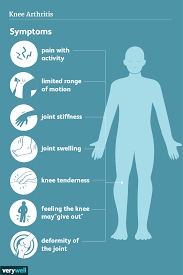
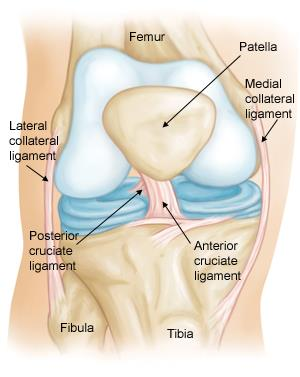
2. Knee Injuries (Patellofemoral Pain & Ligament Stress)
Knee injuries are frequently linked to biomechanical dysfunction rather than direct trauma. Poor alignment of the hip, knee, and ankle can alter load distribution during walking or running.
Muscle imbalance injuries involving the quadriceps, hamstrings, and gluteal muscles are common contributors. Over time, this results in biomechanical stress injuries affecting cartilage and ligaments.
3. Shoulder Impingement and Rotator Cuff Injuries
The shoulder is highly mobile and relies heavily on proper biomechanics for stability. Faulty movement mechanics in the shoulder blade and upper spine can lead to joint and muscle injuries.
Repetitive overhead activities, combined with poor posture, increase mechanical stress on muscles and tendons. This often results in chronic shoulder pain and limited range of motion.
4. Ankle Sprains and Foot Biomechanical Injuries
Ankle and foot injuries are common movement-related injuries caused by abnormal foot mechanics. Overpronation or poor arch support affects force absorption and alters the kinetic chain.
This creates biomechanical stress injuries not only in the ankle but also in the knees and hips.
5. Hip Pain and Pelvic Dysfunction
Hip injuries often originate from structural compensation due to weak gluteal muscles or tight hip flexors. When the hip fails to stabilize movement, excessive load is transferred to surrounding joints.
These biomechanics-related injuries are common in runners and individuals with sedentary lifestyles.
6. Neck Pain and Cervical Biomechanical Injuries
Forward head posture and prolonged screen use are major contributors to injury due to improper movement and posture. Poor alignment places continuous stress on cervical muscles and joints.
Over time, this results in stiffness, headaches, and reduced movement efficiency.
Biomechanics in Sports Injuries
Sports biomechanics injuries occur when athletes repeat high-load movements without proper technique or recovery. Sports such as football, cricket, running, and weightlifting place immense stress on the musculoskeletal system.
Without professional movement analysis, athletes are at higher risk of:
- Overuse injuries
- Repetitive strain injuries
- Muscle imbalance injuries
Sports physiotherapist recommendations emphasize early assessment and correction of faulty movement patterns to prevent long-term damage.
How Biomechanical Injuries Are Diagnosed
Accurate diagnosis requires more than imaging alone. Clinically diagnosed biomechanical injuries are identified through comprehensive functional assessment.
Professional Biomechanical Evaluation Includes:
- Functional movement screening
- Certified movement analysis
- Injury risk assessment
- Joint alignment evaluation
- Kinetic chain dysfunction analysis
This expert physiotherapy assessment allows clinicians to identify the root cause rather than just treating symptoms.
Evidence-Based Treatment and Rehabilitation
Effective treatment focuses on correcting the underlying biomechanical issue rather than masking pain. Research-backed rehabilitation strategies include:
- Personalized treatment plans
- Strengthening weak muscle groups
- Improving movement efficiency
- Correcting posture and ergonomics
- Enhancing force absorption
Patient-centered injury management ensures long-term recovery and reduces the likelihood of recurrence.
Biomechanics in Injury Prevention
Prevention is the most powerful tool in managing biomechanical injuries. Evidence-based injury prevention focuses on early identification of movement dysfunctions.
Key Prevention Strategies Include:
- Regular functional movement screening
- Strength and flexibility training
- Ergonomic corrections
- Technique improvement in sports
- Long-term injury prevention strategies
Professional biomechanical evaluation plays a crucial role in preventing biomechanical stress injuries before they become chronic.
When to Seek Professional Help
You should consult a qualified physiotherapist if you experience:
- Recurring joint or muscle pain
- Pain during specific movements
- Reduced mobility or strength
- Injuries that do not heal properly
A professional biomechanical evaluation ensures accurate diagnosis and safe recovery.
Conclusion
Common biomechanical injuries are often the result of faulty movement mechanics, muscle imbalances, and repetitive stress rather than sudden trauma. These injuries can affect anyone—from athletes to office workers—and often worsen without proper intervention.
Through expert physiotherapy assessment, certified movement analysis, and evidence-based rehabilitation, biomechanical injuries can be effectively treated and prevented. Addressing the root cause not only relieves pain but also restores movement efficiency and long-term musculoskeletal health.
Investing in proper biomechanics today is the key to pain-free movement tomorrow.
FAQ
1. What are biomechanical injuries?
Biomechanical injuries are musculoskeletal injuries caused by faulty movement mechanics, muscle imbalances, poor posture, or repetitive stress. These injuries develop gradually when abnormal movement patterns place excessive load on joints, muscles, and connective tissues.
2. What are the most common biomechanical injuries?
Common biomechanical injuries include lower back pain, knee pain, shoulder impingement, ankle sprains, hip pain, and neck strain. These injuries are often linked to poor movement efficiency, joint alignment issues, and overuse.
3. What causes biomechanical injuries?
Biomechanical injuries are caused by improper movement patterns, muscle imbalance, repetitive strain, poor posture, and inadequate force absorption. Over time, these factors create mechanical stress on tissues, leading to pain and dysfunction.
4. Are biomechanical injuries the same as sports injuries?
Not all sports injuries are biomechanical, but many sports-related injuries result from biomechanical dysfunction. Faulty movement mechanics, poor technique, and overuse significantly increase the risk of biomechanical injuries in athletes.
5. How are biomechanical injuries diagnosed?
Biomechanical injuries are diagnosed through professional biomechanical evaluation, including functional movement screening, posture analysis, joint alignment assessment, and certified movement analysis performed by a qualified physiotherapist.
6. Can poor posture cause biomechanical injuries?
Yes, poor posture is a major contributor to biomechanical injuries. Prolonged sitting, forward head posture, and improper ergonomics increase mechanical stress on muscles and joints, leading to chronic pain and movement-related injuries.
7. What is the treatment for biomechanical injuries?
Treatment focuses on correcting the underlying movement dysfunction rather than only relieving pain. Evidence-based treatment includes personalized rehabilitation, muscle strengthening, posture correction, movement retraining, and injury prevention strategies.
8. Can biomechanical injuries be prevented?
Most biomechanical injuries can be prevented through early movement assessment, proper exercise technique, strength and flexibility training, ergonomic improvements, and regular functional movement screening by a professional.
9. When should I see a physiotherapist for a biomechanical injury?
You should see a physiotherapist if you experience recurring pain, limited movement, repeated injuries, or discomfort during specific activities. Early assessment helps prevent long-term damage and chronic pain.
10. How does biomechanics help in injury prevention?
Biomechanics helps identify faulty movement patterns and muscle imbalances before they cause injury. Correcting these issues improves movement efficiency, reduces tissue overload, and supports long-term musculoskeletal health.