Symptoms of PCL Injuries: Knee Pain & Swelling
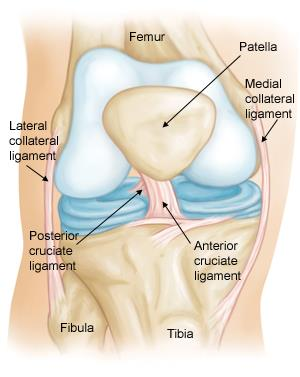
If you have recently experienced a high-impact fall or a sports-related collision, you might be noticing a deep ache in your joint. Understanding the symptoms of PCL injuries is the first step toward effective recovery. Unlike the more commonly known ACL tear, a Posterior Cruciate Ligament (PCL) injury can be subtle at first, often masquerading as general knee soreness before developing into chronic instability.
At NBR Clinic in Lahore, we specialize in diagnosing these complex injuries. Led by Dr. Riaz Ahmed, a top sports medicine specialist with over 37 years of experience, our team focuses on neuromuscular biomechanics to ensure your knee doesn’t just stop hurting—it starts functioning perfectly again.
Quick Summary: Common Symptoms of a PCL Tear
A PCL injury typically manifests as pain at the back of the knee, gradual swelling, and a distinct feeling of instability when walking down stairs or inclines. While many patients can still walk immediately after the trauma, the “posterior sag” and difficulty bending the knee are hallmark signs that the PCL has been compromised.
What is a PCL Injury?
The Posterior Cruciate Ligament (PCL) is one of the strongest ligaments in your knee, forming an “X” with the ACL to stabilize the joint. Its primary job is to prevent the shinbone (tibia) from sliding too far backward. Because the PCL is thicker and stronger than the ACL, it usually requires significant force to tear—such as a “dashboard injury” during a car accident or falling hard onto a bent knee.
How to Identify PCL Tear: Core Symptoms
Identifying a PCL injury can be tricky because the symptoms often overlap with other knee conditions. However, paying attention to the knee ligament pain patterns can help differentiate a PCL strain from a meniscus tear or ACL injury.
1. Deep Knee Pain and Tenderness
The most frequent PCL injury signs include a dull, deep ache. Unlike other injuries where pain is on the sides, PCL pain is usually felt:
- At the back of the knee (popliteal area).
- Deep within the joint.
- When kneeling or squatting.
2. Swelling and Stiffness
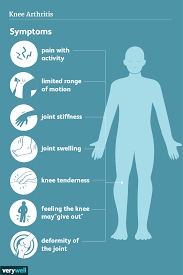
While an ACL tear causes immediate, “balloon-like” swelling, swelling signs of PCL ligament tear are often more gradual. You might notice:
- Mild to moderate swelling that develops over 24 hours.
- Knee stiffness after ligament damage that makes it hard to fully straighten or bend the leg.
- Bruising after knee trauma, specifically appearing behind the knee or calf.
3. Knee Instability Symptoms from PCL Damage
One of the most telling symptoms of PCL injuries is a lack of confidence in the joint. Patients often describe:
- A “loose” feeling in the knee.
- Difficulty walking after PCL injury symptoms like the knee “giving way” or buckling.
- Increased instability when walking on uneven ground or descending stairs.
PCL vs. ACL Symptoms: Key Differences
It is vital to distinguish between these two ligaments to receive the correct treatment. Here is a quick comparison table:
| Feature | ACL Tear Symptoms | PCL Injury Symptoms |
| Injury Mechanism | Sudden pivot or jump | Direct blow to bent knee (e.g., fall) |
| The “Pop” | Often a loud, audible pop | Rarely produces a pop |
| Pain Location | Center or front of the knee | Back of the knee |
| Swelling | Rapid (within 1–3 hours) | Gradual (within 12–24 hours) |
| Primary Difficulty | Pivoting and cutting | Walking downhill/downstairs |
PCL Injury Causes and Symptoms: How It Happens
Understanding the PCL injury causes and symptoms helps in the diagnostic process. Most PCL damage occurs during:
- Motor Vehicle Accidents: When the knee hits the dashboard, pushing the tibia back.
- Sports Collisions: A football or soccer tackle where the player falls onto a flexed knee.
- Hyperextension: Forcing the knee to straighten too far.
Early Signs of PCL Damage
If you have experienced any of the above, watch for early signs of PCL damage such as a slight “sag” in the shinbone when you lie on your back with your knees bent. This is known as the “posterior sag sign” and is a critical clinical indicator.
The Grading of PCL Strains
Not all PCL injuries are the same. PCL strain symptoms are categorized into three grades:
- Grade I (Minor): Micro-tears with mild knee ligament pain patterns. The joint remains stable.
- Grade II (Partial): The ligament is partially torn. You will likely feel increased knee swelling and instability.
- Grade III (Complete): The ligament is totally ruptured. This often involves other damaged structures, leading to significant difficulty walking.
PCL Physical Exam Signs: What to Expect at NBR Clinic
When you visit NBR Clinic, Dr. Riaz Ahmed performs a comprehensive evaluation to confirm your diagnosis. Common PCL physical exam signs we look for include:
- Posterior Drawer Test: Moving the tibia backward to check for excessive “play.”
- Range of Motion Assessment: Checking for difficulty bending knee after injury.
- Gait Analysis: Observing your walking pattern to identify biomechanical compensations.
When to See a Doctor for PCL Symptoms
Ignoring PCL symptoms can lead to long-term complications, including early-onset osteoarthritis and chronic meniscus tears. You should seek expert advice at NBR Clinic if you experience:
- Persistent back of knee pain signs.
- A knee that feels “wobbly” or unstable.
- Inability to return to sports due to pain and swelling.
Expert Insight: “A PCL injury often goes undiagnosed because the initial pain can subside. However, the underlying instability remains, which alters your joint’s biomechanics. Early intervention is the key to avoiding surgery.” — Dr. Riaz Ahmed
Advanced Treatment at NBR Clinic, Lahore
Located at Aadil Hospital, DHA, Lahore, NBR Clinic offers a world-class approach to PCL knee injury signs and recovery. Our treatments include:
- Manual Therapy: To restore joint mobility and reduce stiffness.
- Biomechanical Correction: Addressing the root cause of movement dysfunction.
- Dry Needling: To release muscle tension around the injured ligament.
- Neuromuscular Rehabilitation: Specialized exercises to strengthen the quadriceps, which act as a backup for the PCL.
Frequently Asked Questions (FAQs)
1. Can a PCL tear heal on its own?
Grade I and II PCL tears often heal with dedicated physical therapy and bracing. However, Grade III tears or multi-ligament injuries may require surgical reconstruction.
2. How long does PCL injury recovery take?
For non-surgical cases, most patients return to activity within 6 to 12 weeks. Professional athletes may require 6+ months for a full, safe return to competitive play.
3. Is walking good for a PCL injury?
While light walking is usually possible, you should avoid “power walking” or walking on inclines until the swelling is controlled and the joint is stabilized through rehab.
4. Why does my knee hurt more when I walk downstairs?
This is a classic symptom of a PCL injury. Walking downstairs puts a posterior force on the shinbone; without a functional PCL to hold it in place, the bone slides back, causing pain and instability.
Conclusion
Recognizing the symptoms of PCL injuries is vital for protecting your long-term mobility. Whether it is the deep knee pain when bending, the gradual knee swelling and instability, or the classic back of knee pain signs, these signals should never be ignored. Proper diagnosis and a tailored rehabilitation plan can mean the difference between chronic pain and a successful return to your active lifestyle.
NBR Clinic is Lahore’s premier destination for Neuromuscular Biomechanics Rehabilitation and advanced physical therapy. Led by Dr. Riaz Ahmed, a top sports medicine specialist with over 37 years of experience, we provide evidence-based treatments for sports injuries and ligament damage. Our clinic specializes in biomechanics correction, manual therapy, and dry needling to treat the root cause of pain and restore mobility.
Experience personalized rehabilitation at NBR Clinic, located at Aadil Hospital, DHA, Lahore.
Would you like me to create a customized 6-week rehabilitation exercise plan for a PCL injury based on Dr. Riaz Ahmed’s biomechanical principles?