Sharp, Burning, or Tingling Pain Down Your Leg? 7 Signs It’s Sciatica
Quick Summary: Is it Sciatica?
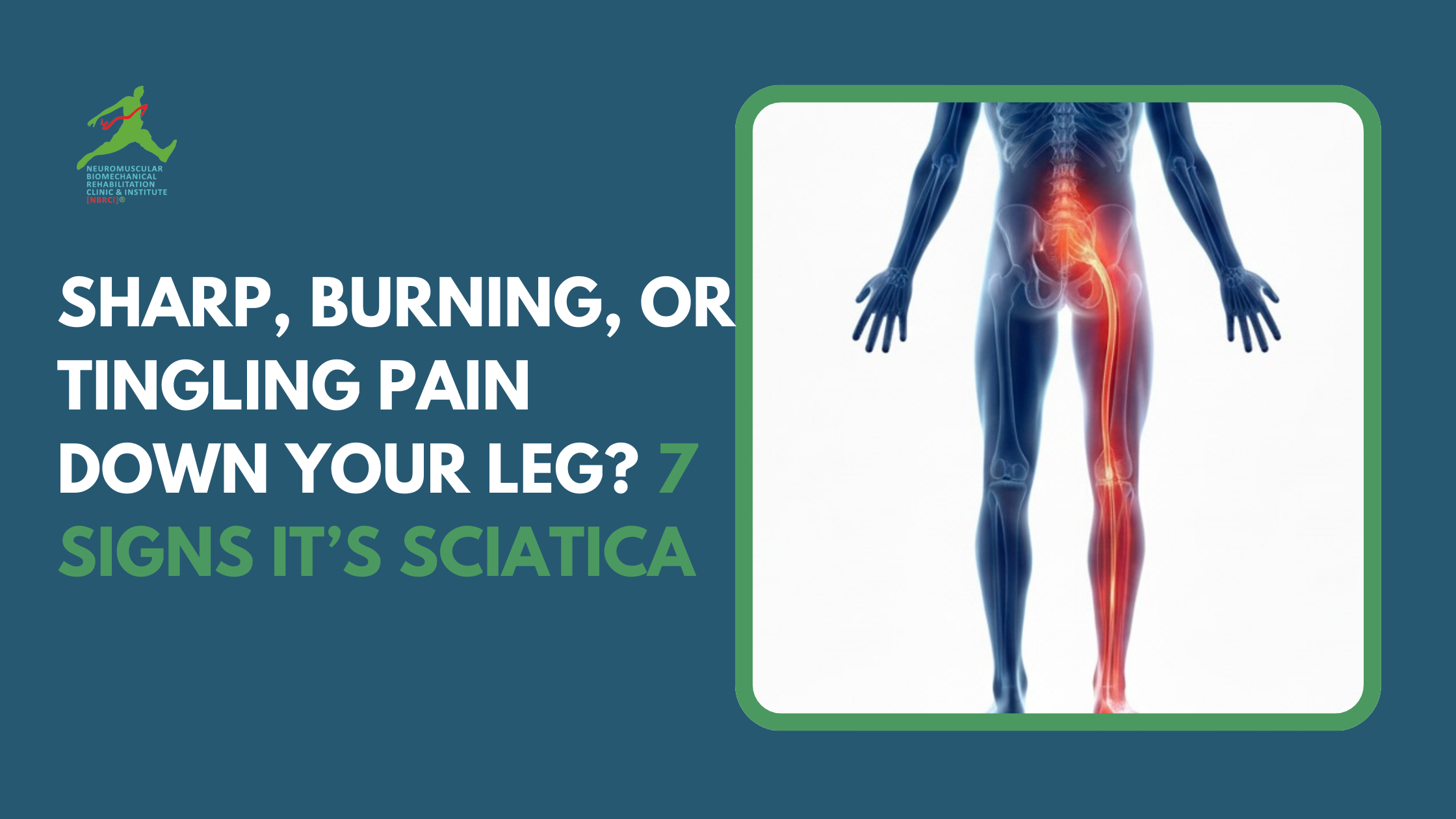
If you are experiencing a sharp, burning, or tingling pain down your leg, you are likely dealing with sciatica. This condition occurs when the sciatic nerve—the longest nerve in your body—becomes compressed or irritated. Common symptoms include an electric shock feeling in the leg, lower back pain radiating to the leg, and pins and needles sensation in the leg. At NBR Clinic in Lahore, led by Dr. Riaz Ahmed, we specialize in identifying the root biomechanical cause of this pain to provide long-term recovery rather than just temporary masking of symptoms.
Have you ever stood up from your desk and felt a sudden sharp shooting pain down one leg? Or perhaps you’ve been lying in bed wondering, “Why does my leg feel like it’s burning?” Leg pain is a common complaint, but when the sensation shifts from a dull muscle ache to an electric shock feeling in the leg, the culprit is often neurological. Specifically, these are hallmark symptoms of sciatic nerve irritation. Understanding the source of this discomfort is the first step toward reclaiming your mobility.
1. The Nature of the Pain: Is it Sharp, Burning, or Tingling?
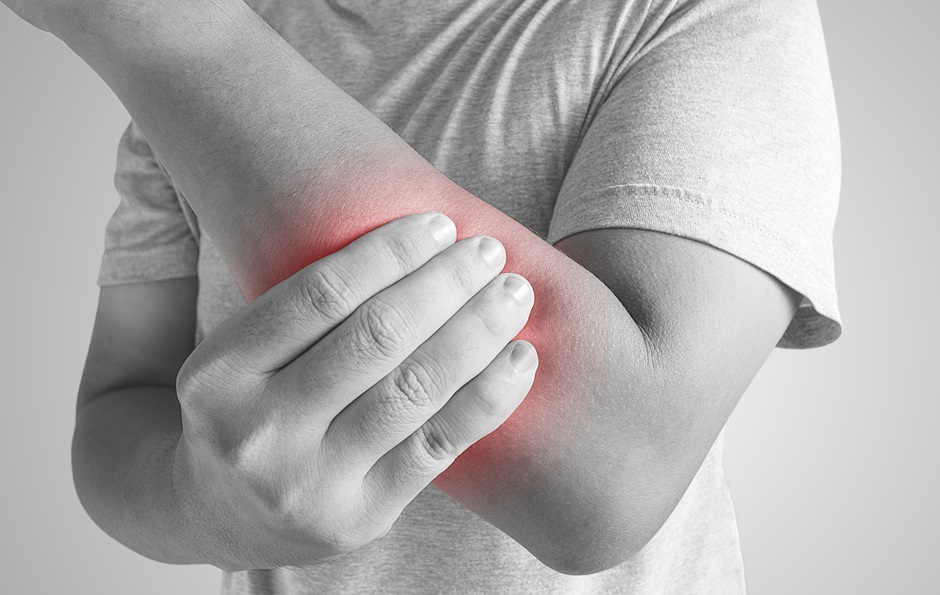
The most telling sign of sciatica is the specific quality of the sensation. Unlike a pulled muscle, which feels sore and tender, sciatica pain symptoms down the leg are often described as:
-
Burning pain from the lower back to the leg: A searing heat that follows a specific path.
-
Sharp shooting pain down one leg: A “bolt” of pain that can make you gasp or lose your footing.
-
Tingling and numbness in leg causes: Often described as pins and needles sensation in the leg, which suggests the nerve’s signaling is being interrupted.
At NBR Clinic, we see many patients in Lahore who mistake lumbar radiculopathy (the medical term for nerve root compression) for simple muscle strain. However, if the pain travels below the knee, it is almost certainly nerve-related.
2. Radiating Pain: The Journey from Back to Toe
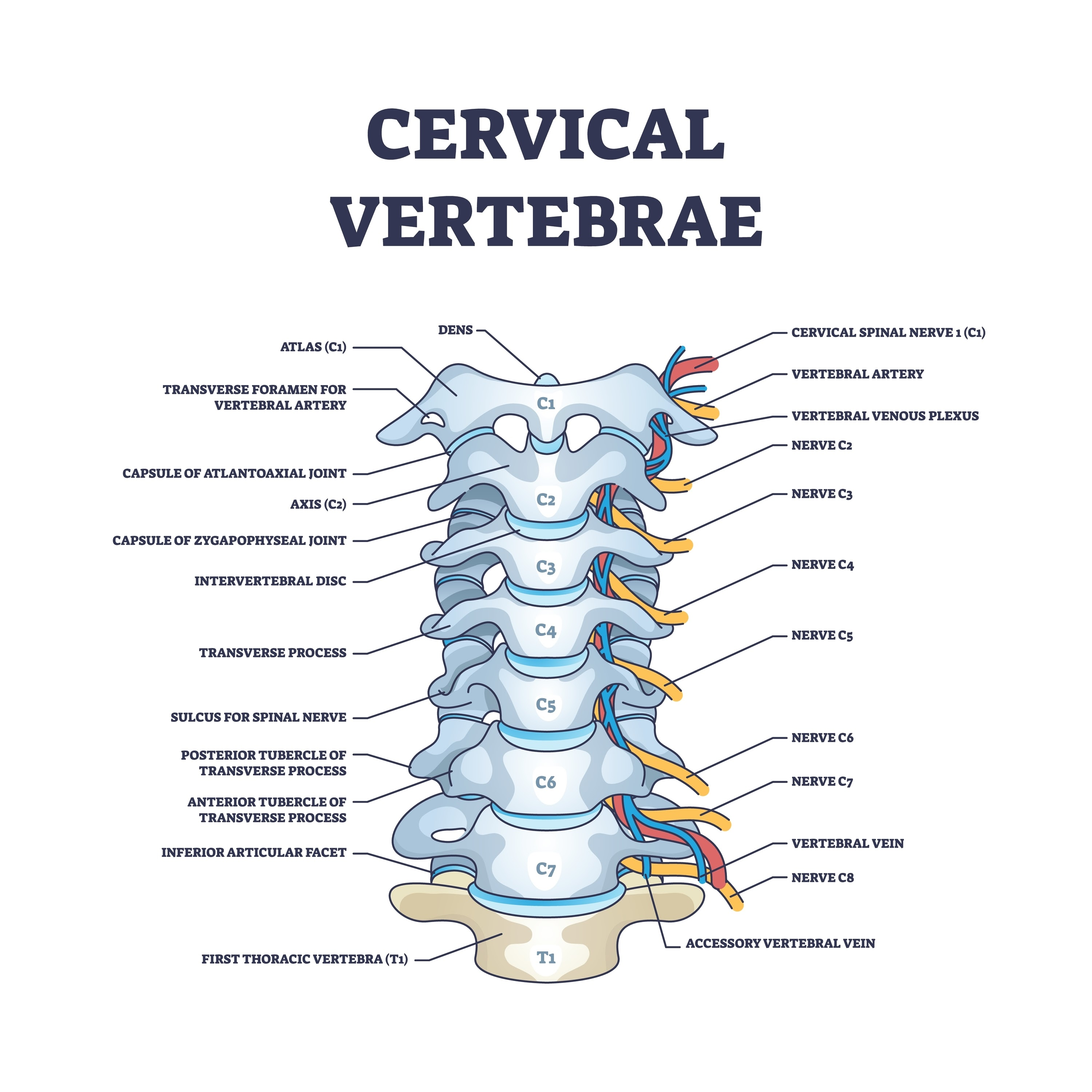
Sciatica doesn’t just stay in one spot. A primary indicator is radiating leg pain from the back. The sciatic nerve starts in your lower spine and runs through your hips and down each leg.
When you have lower back pain radiating to the leg, it usually follows the dermatome (nerve path) of the L4, L5, or S1 nerve roots. If you feel the pain traveling through your buttock, down the back of your thigh, and into your calf or foot, you are experiencing classic nerve pain leg symptoms.
3. Postural Triggers: Why Sitting Aggravates Leg Pain
Does your pain intensify when you sit for long periods? Sitting aggravates leg pain in sciatica patients because it increases the pressure on the intervertebral discs and the sciatic nerve itself.
Furthermore, you might notice that coughing or sneezing triggers leg pain. This happens because these actions increase intra-abdominal pressure, which momentarily puts more stress on a spinal nerve compression or a herniated disc.
4. The “Electric” Sensation and Muscle Weakness
Many patients ask us at NBR Clinic, “How do I know if my leg pain is nerve-related?” The answer often lies in the “electric” nature of the feeling. A pinched nerve can cause burning in the leg that feels like a live wire is touching your skin.
In more severe cases, nerve root inflammation can lead to functional issues, such as leg weakness and numbness. If you find your foot “dragging” or you have difficulty lifting your toes (foot drop), this indicates significant spinal nerve compression that requires immediate professional evaluation.
5. Understanding the Root Causes: It’s Not Just One Thing
Sciatica is a symptom, not a diagnosis in itself. To find sciatic nerve pain relief, we must identify why the nerve is angry. Common causes include:
-
Herniated Disc Symptoms: When the soft inner gel of a spinal disc leaks out and presses on the nerve.
-
Spinal Stenosis: The narrowing of the spaces within your spine.
-
Piriformis Syndrome: A condition where the piriformis muscle in the buttock compresses the nerve.
-
Spondylolisthesis: When one vertebra slips forward over another.
Sciatica vs. Peripheral Neuropathy
It is important to distinguish sciatica from peripheral neuropathy in the leg. While sciatica stems from the spine, peripheral neuropathy is often caused by systemic issues like diabetes, affecting the smaller nerve endings rather than the main sciatic trunk.
Warning: When to See a Doctor for Leg Pain Immediately
If you experience “Saddle Anesthesia” (numbness in the groin) or a loss of bladder/bowel control, these are Cauda Equina warning signs. This is a medical emergency. Contact NBR Clinic or your nearest emergency room in Lahore immediately.
6. How NBR Clinic Diagnoses Nerve Pain
At NBR Clinic (Neuromuscular Biomechanics Rehabilitation Clinic & Institute), led by Dr. Riaz Ahmed, we don’t believe in “one-size-fits-all” treatments. Our diagnostic process includes:
-
Biomechanical Assessment: We analyze how you move to see if postural imbalances are causing sciatic nerve irritation.
-
Neurological Screening: Testing reflexes, strength, and sensation to pinpoint the exact level of nerve root inflammation.
-
Functional Testing: Observing how sitting, standing, and walking affect your radiating leg pain.
7. Effective Treatments for Sciatic Nerve Pain Relief
Most cases of sciatica respond exceptionally well to conservative sciatica treatment. You don’t always need surgery to find relief from that sharp, burning, or tingling pain down your leg.
Physical Therapy for Sciatica
Our core approach involves specialized physical therapy for sciatica. This includes:
-
Manual Therapy: To mobilize joints and reduce pressure on the nerve.
-
Neural Gliding: Exercises designed to help the nerve slide smoothly through its pathways.
-
Dry Needling: Effective for releasing deep muscle tension in piriformis syndrome.
-
Custom Orthotics: To correct biomechanical issues in your gait that may be stressing your lower back.
Medical Interventions
For patients with intense inflammation, an epidural steroid injection may be recommended to reduce swelling around the nerve, providing a “window of opportunity” to perform rehabilitation exercises without excruciating pain.
Comparison: Muscle Pain vs. Nerve Pain
| Feature | Muscle Pain | Nerve Pain (Sciatica) |
| Sensation | Dull, aching, sore | Sharp, burning, electric |
| Location | Localized to a muscle | Radiating down the leg |
| Numbness | Rare | Common (pins and needles) |
| Triggers | Movement of that muscle | Sitting, coughing, stretching |
Frequently Asked Questions (FAQs)
What does sciatica pain feel like exactly?
Sciatica typically feels like a sharp shooting pain down one leg, often accompanied by a burning sensation from the lower back. It is rarely a dull ache; it feels more like an “electrical” or “searing” path of pain.
How do I know if my leg pain is nerve-related?
If your pain is accompanied by tingling and numbness, or if it travels in a narrow line down your leg rather than affecting a broad area, it is likely nerve-related. Pins and needles sensation in the leg is a classic sign.
Can a pinched nerve cause burning in the leg?
Yes, a pinched nerve or spinal nerve compression is the primary cause of a burning sensation. When the nerve is compressed, the signals sent to the brain are interpreted as heat or fire.
How to relieve sharp shooting pain down the leg at home?
While professional assessment is vital, you can try:
-
Avoiding long periods of sitting.
-
Applying heat packs to the lower back.
-
Gentle “cat-cow” stretches or nerve glides (if cleared by a therapist).
-
Sleeping with a pillow between your knees.
What is the difference between muscle pain and nerve pain in the leg?
Muscle pain usually stays in one spot and feels tender to the touch. Nerve pain travels, causes “weird” sensations like electric shocks, and is often felt deep inside the limb rather than on the surface.
Conclusion: Don’t Live with the Burn
If you are struggling with a sharp, burning, or tingling pain down your leg, remember that your body is sending you a signal. Whether it is a herniated disc, lumbar radiculopathy, or piriformis syndrome, ignoring the symptoms can lead to chronic nerve damage or muscle wasting.
At NBR Clinic in DHA, Lahore, we bridge the gap between international sports medicine expertise and local care. Dr. Riaz Ahmed and our team are dedicated to finding the root biomechanical cause of your sciatica. We don’t just treat the “burn”— we fix the “fire.”
Ready to stop the shooting pain and start moving freely again?
Would you like me to book a biomechanical assessment for you at our Lahore clinic or provide a customized exercise guide for sciatica relief?
Contact NBR Clinic Today: 📍 Aadil Hospital, Office Basement, DHA, Lahore (Cantt), Pakistan
📞 +92 334 480 9999 | +92-42-111 223 454
🌐 nbrclinic.com