Purpose of Kinesiology Tape: Uses, Benefits, and How It Works
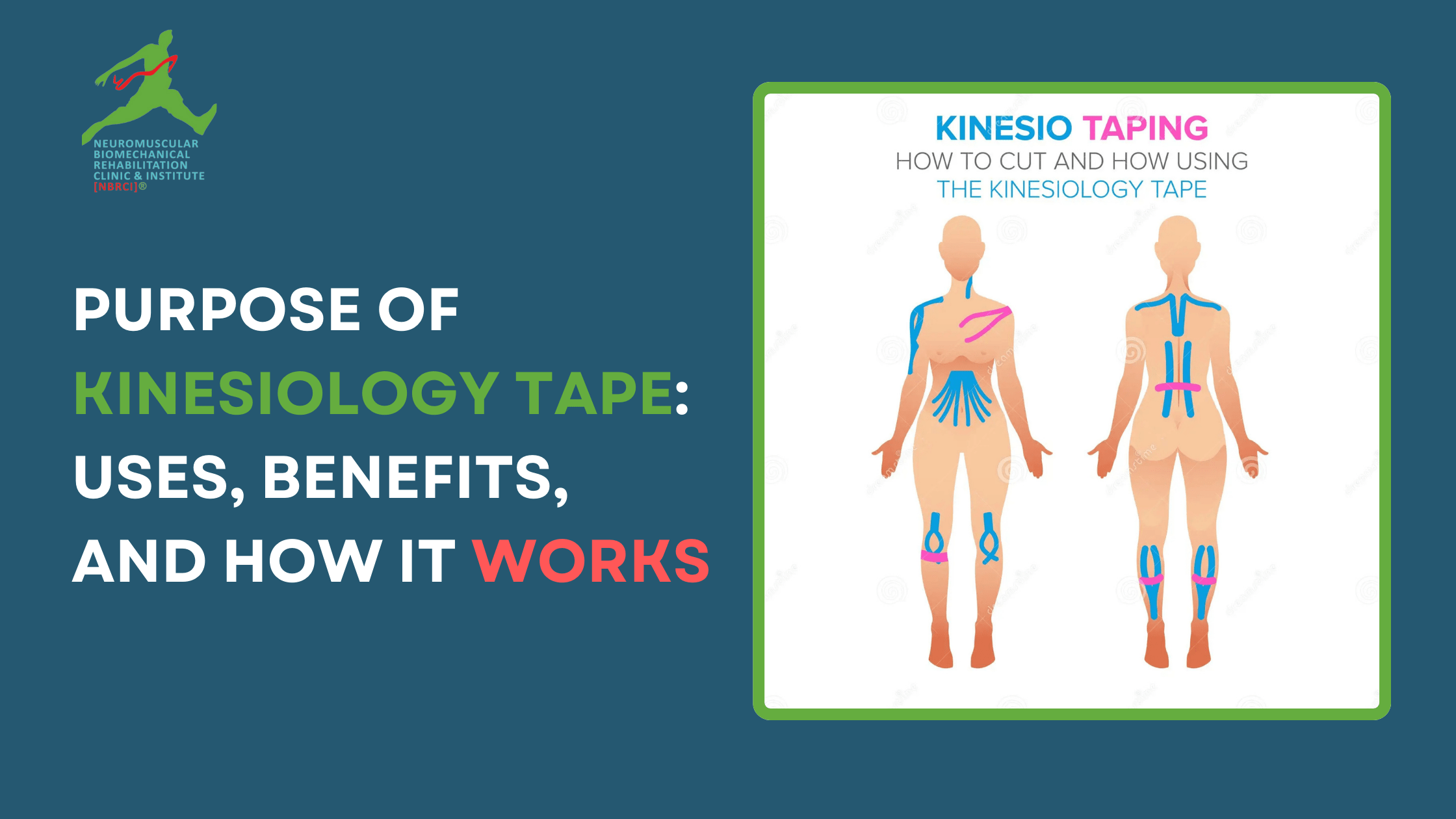
The purpose of kinesiology tape is simple: provide support without restricting movement while helping your body manage pain, swelling, and muscle or joint stress. Unlike rigid athletic tape, elastic therapeutic tape moves with your skin and muscles, which is why it is widely used in physical therapy taping, rehabilitation taping, and modern sports taping technique programs.
At NBR Clinic, many athletes and active people ask: what is kinesiology tape used for—and does it actually help? The answer depends on your injury, your movement pattern, and the taping method. When applied correctly, kinesiology taping can assist with kinesiology tape for pain relief, improve comfort during activity, and support recovery—especially when paired with a proper clinical assessment by a sports medicine expert like Dr. Riaz Ahmed (Sports Medicine Specialist, Lahore).
What Is Kinesiology Tape and Why Do People Buy It?
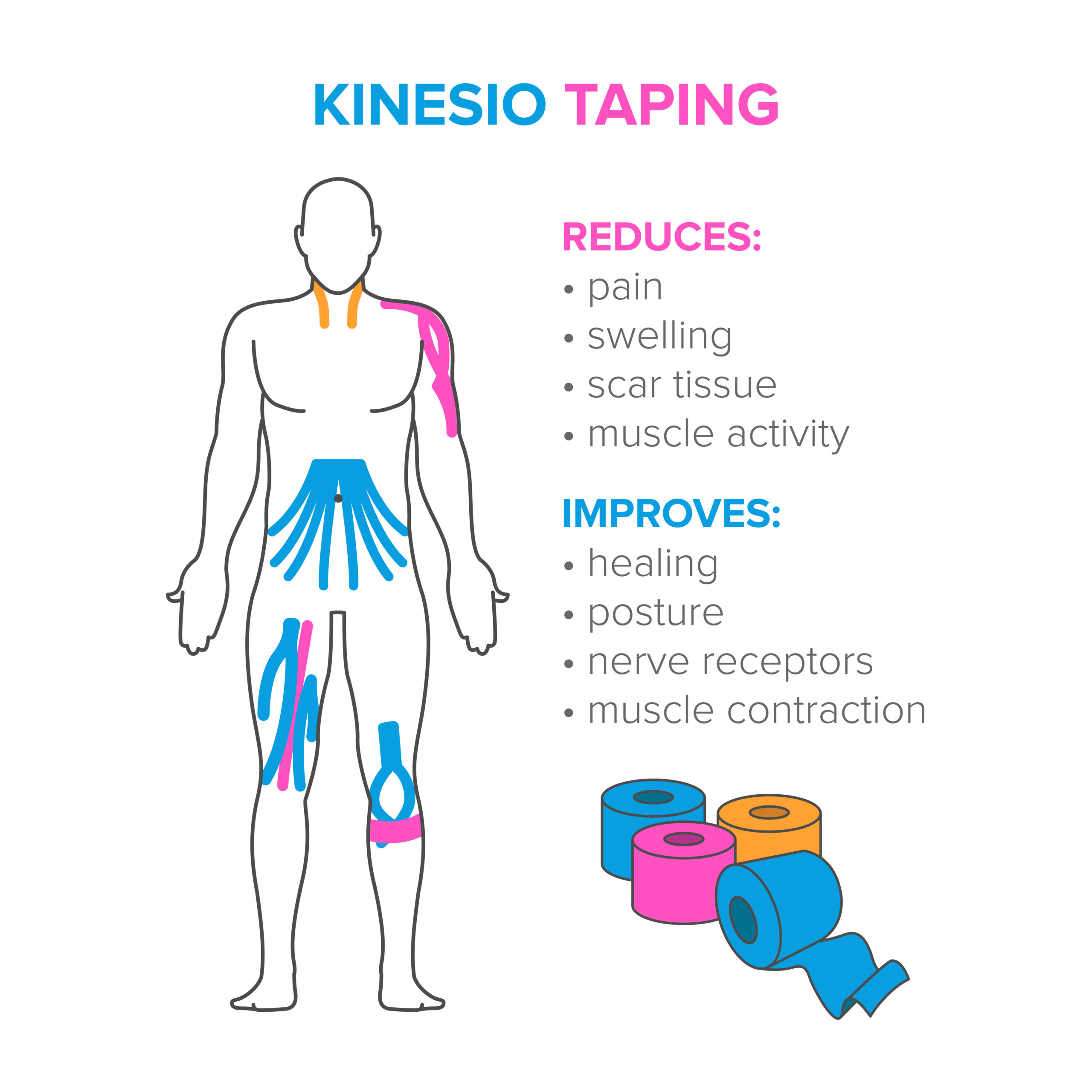
Kinesiology tape (often called KT tape) is a stretchy cotton tape with medical-grade adhesive. Its design allows it to mimic the elasticity of human skin. Because of this, it can provide kinesiology tape for muscle support and kinesiology tape for joint support without locking the area like traditional rigid tape.
People commonly purchase it for:
-
Training and match-day support
-
Taping for injury prevention during high-load sports
-
Managing recurring pain (shoulder, knee, ankle, back)
-
Supporting posture and movement habits (e.g., posture correction tape)
Moreover, it is easy to carry, easy to apply with guidance, and can be worn for several days, making it popular for active lifestyles.
How Kinesiology Tape Works (In Plain English)
Many people search how kinesiology tape works because it looks “too simple” to make a difference. While results vary, the core idea is that tape can influence comfort and movement by interacting with the skin and underlying tissues.
Here’s the practical explanation:
1) Supports movement and stability
Kinesiology tape can offer taping for stability by gently guiding motion and reducing excessive strain. Therefore, it may help you move with better control during sport or daily tasks.
2) Helps reduce swelling and supports circulation
For some conditions, taping patterns are used to improve circulation with kinesiology tape and assist fluid movement. This is often discussed as lymphatic drainage taping, and it is commonly used for kinesiology tape for swelling in sports rehab settings.
3) Provides a “reminder” for posture and muscle activation
Tape can act like a feedback tool, encouraging taping for muscle activation and improved posture awareness. However, it does not replace strengthening or rehab—it supports it.
Important note: Tape is not magic. Best outcomes usually come when a professional evaluates the root cause (strength imbalance, technique, tendon overload, poor mobility) and then uses taping as part of a complete plan.
Purpose of Kinesiology Tape for Pain Relief and Muscle Support
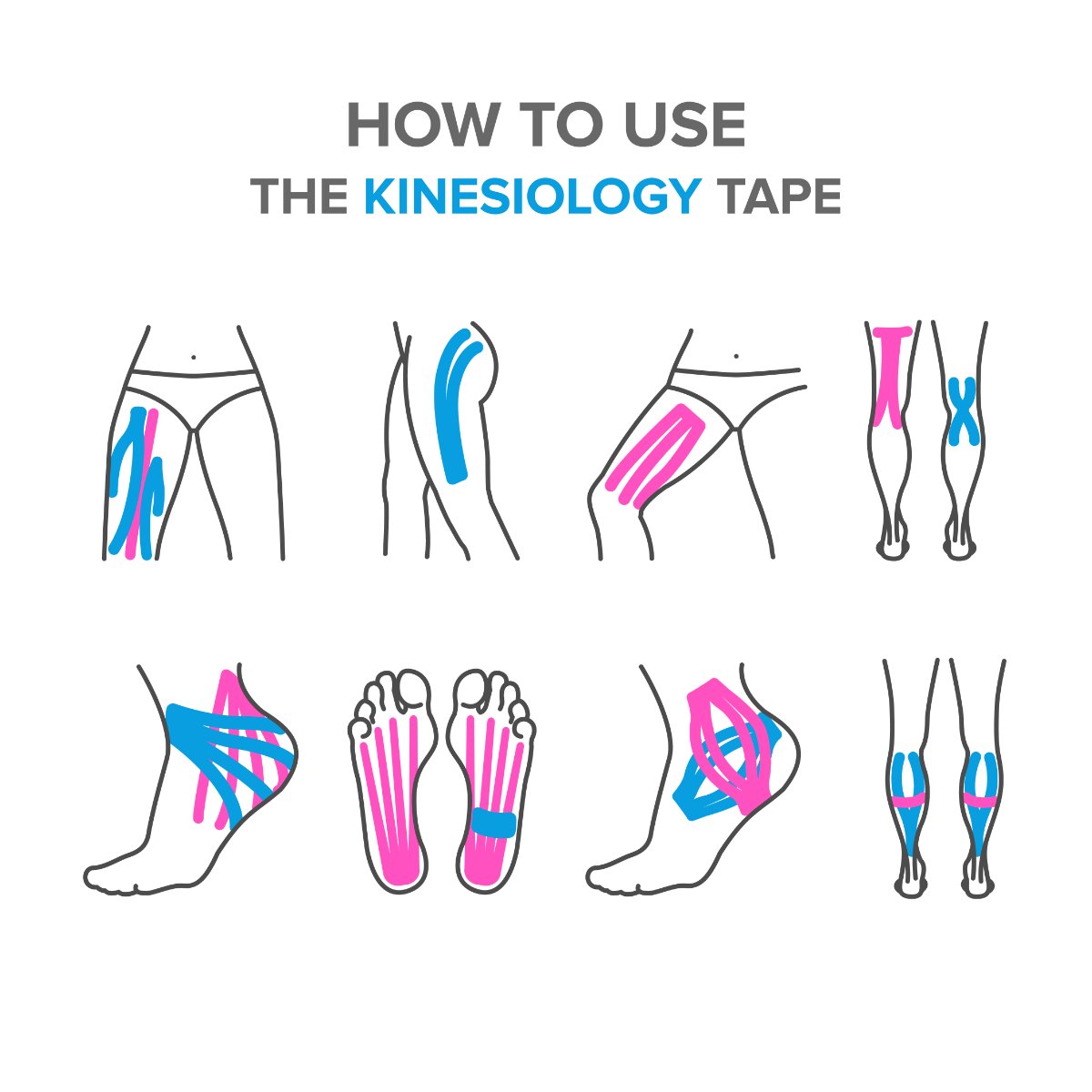
One major purpose of kinesiology tape is to help manage discomfort while keeping you active. People often use it for:
Kinesiology tape for pain relief
Tape may reduce pain by improving movement confidence and decreasing stress on irritated tissues. For example, it is commonly used in tendon irritation, mild strains, or overuse pain—especially when you must stay functional.
Kinesiology tape for muscle support
Athletes use kinesiology tape uses like assisting tired muscles during training or matches. It can help with muscle control and comfort, particularly during long sessions.
Taping for injury prevention (smart use)
When you have a history of repeat strain, tape can provide short-term support and awareness. Moreover, it can reduce fear of movement and help you maintain better form. Still, true prevention comes from strength, mobility, and load management.
If pain persists, spreads, or limits performance, it is best to consult a specialist. At NBR Clinic, Dr. Riaz Ahmed typically checks movement patterns, joint mechanics, and training load before recommending tape, rehab, or further care.
Purpose of Kinesiology Tape for Joint Support and Stability
Another key purpose of kinesiology tape is targeted support around joints—especially where you need guidance but still want free movement.
Kinesiology tape for joint support
It may help when the joint feels “unstable” during activity. For instance, some people use taping for the ankle during running or court sports to improve confidence.
Kinesiology tape for shoulder pain
Shoulder discomfort is often linked to posture, rotator cuff control, or overuse. Tape can support positioning and reduce irritation during movement. However, shoulder pain may involve multiple structures, so assessment matters.
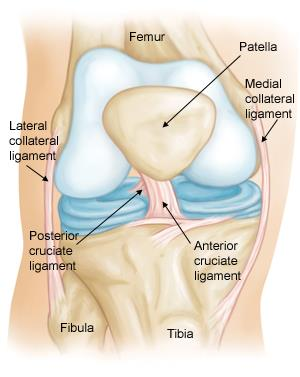
Kinesiology tape for knee pain
Knee pain in runners and gym-goers often comes from tracking issues, tendon overload, or hip weakness. Tape can be used to support alignment and reduce strain during activity.
Kinesiology tape for ankle support
Ankle sprains and recurrent instability are common. Tape may help as a temporary layer of stability during rehab and return-to-sport.
Tip: If you need tape “every day” just to function, that is a signal to get a proper diagnosis and a long-term plan.
Purpose of Kinesiology Tape in Swelling Control and Recovery
Swelling can limit motion and delay recovery. Therefore, kinesiology tape for swelling is often used in rehab settings—especially after acute injuries.
-
Reduce inflammation support: Taping patterns may help manage fluid buildup.
-
Lymphatic drainage taping: Specific “fan” or “web” patterns may assist fluid movement in some cases.
-
Rehabilitation taping: Tape can be combined with exercises and manual therapy to speed functional recovery.
However, if swelling is sudden, severe, hot, or accompanied by fever or unexplained pain, seek medical advice promptly.
Purpose of Kinesiology Tape for Sports Performance: What It Can and Can’t Do
Many athletes ask about kinesiology tape for sports performance and whether it boosts strength. Realistically, tape is more of a support tool than a performance “booster.”
It may help by:
-
Improving confidence and comfort under load
-
Supporting mechanics during fatigue
-
Encouraging better posture and alignment (e.g., posture correction tape)
It cannot replace:
-
Strength training
-
Proper warm-up and technique
-
Recovery, sleep, hydration, and nutrition
Still, for kinesiology tape for runners, it can be useful for knee tracking comfort, calf/Achilles support, or managing overuse symptoms during a structured rehab plan.
Common Buyer Questions (Answered Clearly)
What is kinesiology tape used for?
It is used for pain relief, muscle support, joint support, swelling management, posture feedback, and rehab support—especially in sports and physiotherapy.
Is KT tape purpose the same as athletic tape?
Not exactly. KT tape purpose focuses on flexible support and movement guidance, while rigid athletic tape is more about restricting motion for protection.
Can it help tennis elbow?
Yes, kinesiology tape for tennis elbow is commonly used to reduce strain during gripping and lifting. However, long-term improvement still requires tendon rehab and load control.
When to See a Sports Medicine Specialist in Lahore
Tape is helpful, but it should not hide serious problems. You should get evaluated if:
-
Pain lasts more than 7–10 days
-
Swelling keeps returning
-
You feel weakness, giving way, or repeated sprains
-
Pain affects sleep, walking, or sport performance
-
You want a safe return-to-sport plan
At NBR Clinic, Dr. Riaz Ahmed focuses on sports injury assessment, functional rehab planning, and safe progression—so taping becomes one part of a complete solution, not the only solution.
Conclusion: The Real Purpose of Kinesiology Tape
The purpose of kinesiology tape is to support your body’s movement, reduce discomfort, and assist recovery—while allowing you to stay active. It can help with kinesiology tape for pain relief, kinesiology tape for muscle support, kinesiology tape for joint support, and even kinesiology tape for swelling when applied with the right technique. However, the best results come when tape is paired with a proper diagnosis, rehab exercises, and smart training changes.
If you are dealing with persistent pain or recurring sports injuries, book an assessment at NBR Clinic to get expert guidance from Dr. Riaz Ahmed (Sports Medicine Specialist in Lahore)—and use taping as a targeted tool inside a full recovery plan.
FAQs
1) What is the purpose of kinesiology tape?
The purpose of kinesiology tape is to provide light support to muscles and joints, help reduce discomfort, and assist swelling control—while still allowing natural movement instead of restricting it.
2) What is kinesiology tape used for in sports and daily life?
People use it for kinesiology tape for pain relief, kinesiology tape for muscle support, kinesiology tape for joint support, and kinesiology tape for swelling—especially during training, recovery, or rehab.
3) How does kinesiology tape work?
In simple terms, how kinesiology tape works is by moving with your skin and body. This can provide gentle support, improve movement awareness, and sometimes help with circulation/swelling patterns when applied correctly.
4) Is kinesiology tape good for knee pain or runner’s knee?
Yes, kinesiology tape for knee pain is commonly used to support tracking and reduce strain during movement—especially for kinesiology tape for runners. However, lasting relief usually needs strengthening and load management too.
5) Can kinesiology tape help shoulder pain?
Kinesiology tape for shoulder pain may help by supporting posture, improving movement control, and reducing irritation during activity. If shoulder pain keeps returning, it’s best to get it assessed for the root cause.
6) Does kinesiology tape reduce swelling or inflammation?
It can help some people with kinesiology tape for swelling using patterns often called lymphatic drainage taping. Results vary, but it’s commonly used as part of rehabilitation taping with exercises.
7) Is KT tape the same as rigid athletic tape?
No. KT tape purpose is flexible support and comfort during motion. Rigid athletic tape usually limits movement more strongly for protection.
8) How long can you wear kinesiology tape?
Many people wear elastic therapeutic tape for 2–5 days, depending on skin sensitivity, sweat, and activity level. If you feel itching, burning, or a rash, remove it and avoid reapplying until your skin settles.
Sports Medicine Specialist in Lahore
If you’re using tape repeatedly but pain or swelling keeps coming back, it’s time to fix the cause—not just cover the symptoms. Book an appointment at NBR Clinic with Dr. Riaz Ahmed (Best Sports Medicine Specialist in Lahore) for a complete sports injury assessment, personalized rehab plan, and professional taping guidance—so you can return to activity safely and confidently.