Most Injured Body Parts in Sports (Complete Guide for Athletes)
If you play football, cricket, gym, badminton, or any high-intensity sport, you have likely seen the same pattern: injuries hit certain areas again and again. This guide explains the most injured body parts in sports, why they get hurt, and what you can do next—especially if you want faster recovery and fewer re-injuries. Moreover, you will learn how to spot acute vs overuse sports injuries, and when to seek physiotherapy for sports injuries or specialist care.
Research consistently shows lower-limb injuries dominate many sports, especially where sprinting, jumping, and quick direction changes are common.
Most Injured Body Parts in Sports: The Joints That Take the Biggest Hit
1) Ankle joint (ankle sprain + ankle ligament injury)
The ankle joint is one of the most injury-prone areas in athletes. A sudden landing, uneven ground, or quick pivot can cause an ankle sprain or ankle ligament injury. Many athletes also report ankle joint pain in athletes even after the “pain goes away,” because incomplete rehab leaves weakness and instability.
In large athlete datasets, ankle sprains appear as one of the most frequently reported injuries.
Buyer question: “Do I need rehab for a sprain?” Yes—because untreated sprains often return and can become chronic.
Sports injury prevention tips (ankle):
-
Warm-up with balance + calf activation
-
Strengthen peroneals and calf muscles
-
Use sport-specific agility drills
-
Consider taping/bracing for return-to-play
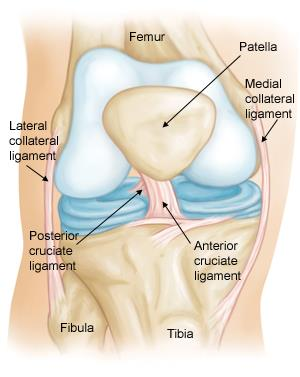
2) Knee joint (knee ACL injury + meniscus tear + knee ligament injury)
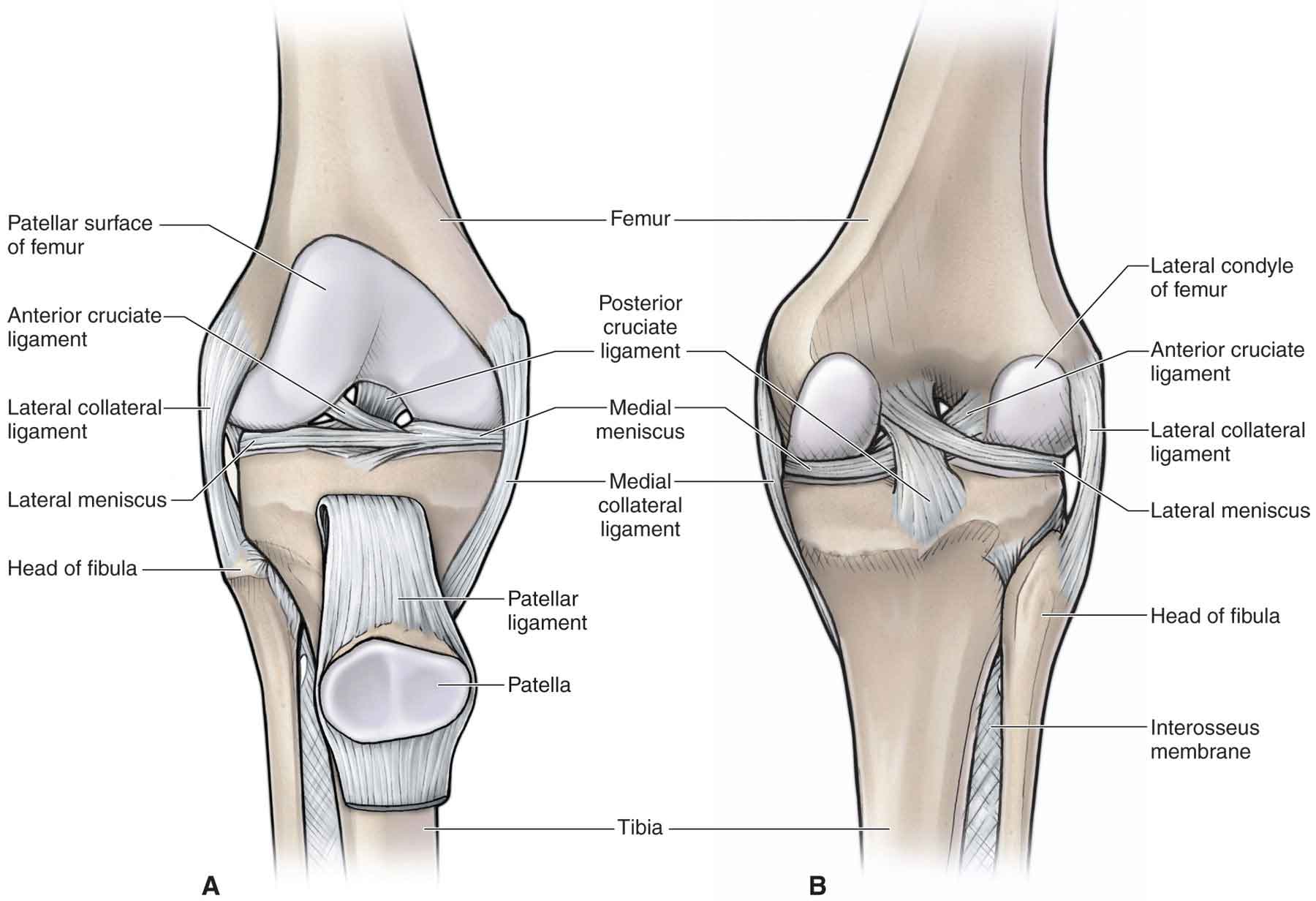
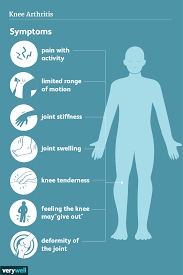
The knee is another top entry in most common sports injuries by body part lists. High-speed cutting, twisting, and awkward landings can trigger knee ligament injury, including knee ACL injury, and can also cause a meniscus tear. Importantly, knee injuries can feel “manageable” at first, but they often worsen if you keep training.
Studies highlight meaningful differences in ACL injury risk across sports and sexes, and ACL injuries remain a major reason for long rehab timelines.
Buyer question: “Can physiotherapy help without surgery?” Sometimes—depends on stability, sport demands, and tear type. A proper assessment matters.
Sports injury rehab focus (knee):
-
Swelling control + range of motion
-
Quad/hamstring strength balance
-
Landing mechanics + deceleration training
-
Return-to-sport testing (not just pain relief)
3) Elbow joint (tennis elbow + elbow tendonitis + elbow ligament injury)
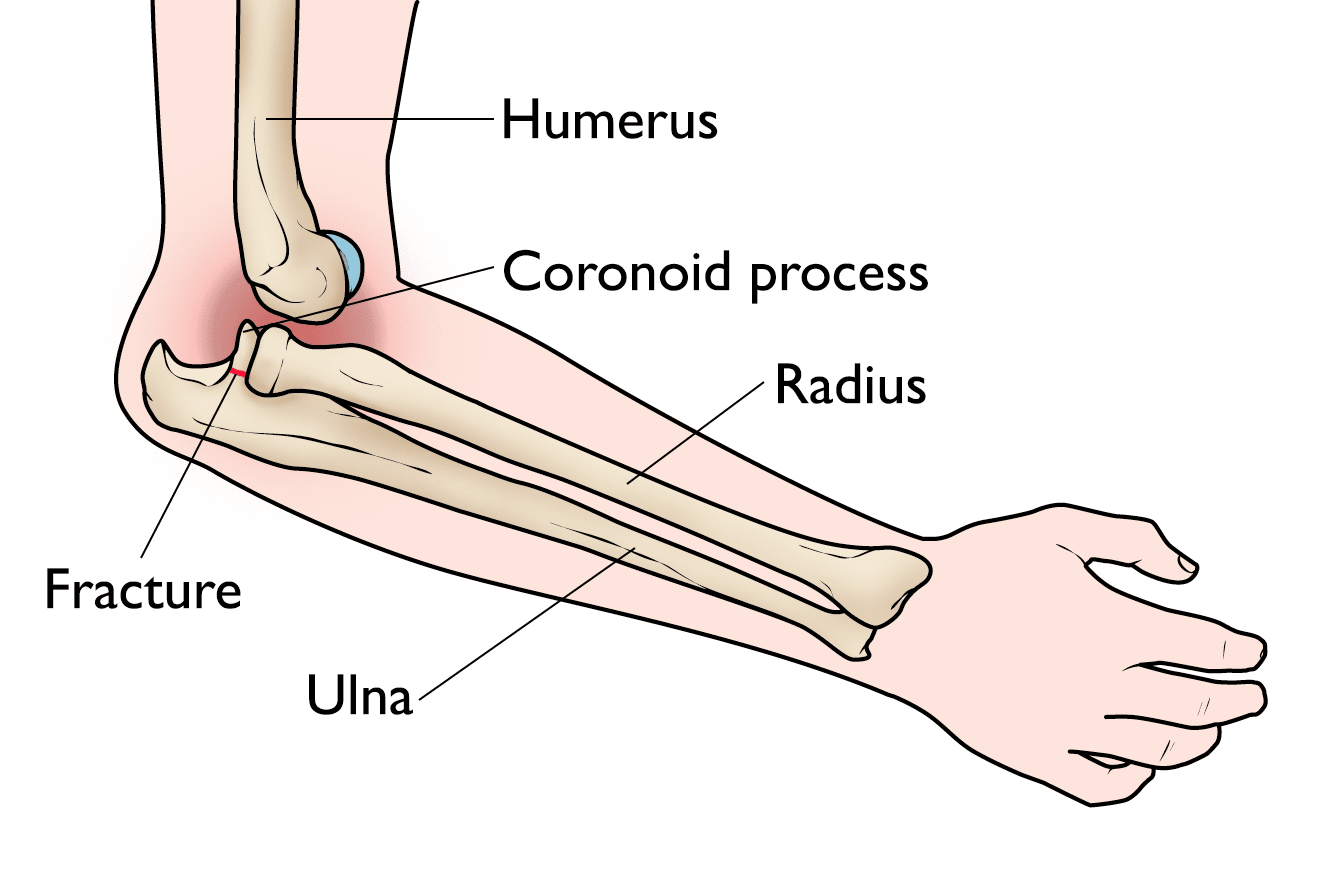
In racket sports, throwing sports, and gym training, elbow pain is common. Tennis elbow (often called elbow tendonitis) usually comes from repetitive gripping and wrist extension, while heavy lifting can aggravate tendon overload. In some athletes, you also see elbow ligament injury from repeated throwing or improper technique.
Sports injury prevention tips (elbow):
-
Improve technique (grip, swing, throw mechanics)
-
Progress load slowly in gym and sport
-
Strengthen forearm extensors + shoulder stabilizers
4) Shoulder joint (shoulder dislocation + rotator cuff injury + shoulder impingement)
The shoulder sacrifices stability for mobility—so injuries happen easily. Contact sports can cause shoulder dislocation, while swimmers, throwers, and lifters often develop rotator cuff injury or shoulder impingement due to repetitive overhead movement.
Clinical guidance notes that overhead, repetitive activity increases rotator cuff tear risk, especially as load and repetition rise.
Buyer question: “Why does my shoulder hurt only during lifting?” That pattern often points to impingement or rotator cuff overload, which improves with targeted rehab.
Most Injured Body Parts in Sports: The Muscles Athletes Strain the Most
1) Hamstrings (hamstring strain)
A hamstring strain often happens during sprinting, sudden acceleration, or kicking. Athletes rush back too early, and hamstrings re-tear easily if you skip strength and speed preparation. Therefore, rehab must include progressive running, not just stretching.
2) Quadriceps (quadriceps strain)
A quadriceps strain can occur from sudden forceful kicking, jumping, or heavy squats. If the front thigh stays weak or tight, the knee and hip mechanics suffer, increasing future risk.
3) Calf (calf muscle strain)
A calf muscle strain is common in fast sports, especially when you return after a break. Tight calves + weak ankle control also raise the risk of an Achilles problem.
Sports injury prevention tips (muscles):
-
Build strength through full range (not half reps)
-
Add eccentric training (slow lowering)
-
Increase sprint volume gradually
-
Sleep, hydration, and recovery days matter
Tendons That Frequently Break Down in Athletes (Achilles Included)
Achilles tendon injury (Achilles tendinopathy + Achilles tendon tear)
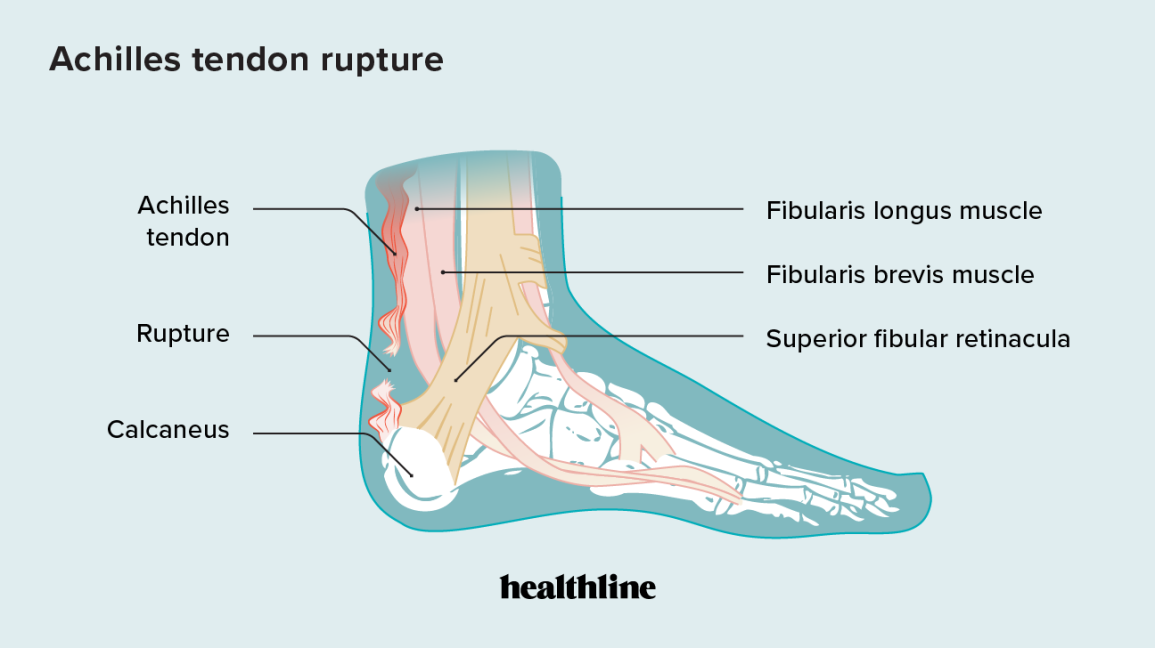
The Achilles handles massive load in running and jumping. Over time, repeated stress can cause Achilles tendinopathy (gradual, stubborn pain). In severe cases, athletes face an Achilles tendon tear, usually during explosive movement.
Because ankle sprains and lower-limb overload are common, Achilles issues often appear alongside calf tightness and poor landing control.
Buyer question: “Should I rest completely?” Short rest may calm pain, but long-term improvement usually needs progressive tendon loading guided by a professional.
Overuse Injuries in Sports vs Acute Injuries (What Athletes Get Wrong)
Understanding acute vs overuse sports injuries can save your season. Acute injuries happen suddenly—like an ankle sprain, shoulder dislocation, or a major twist that triggers a meniscus tear. Overuse injuries build slowly—like elbow tendonitis, rotator cuff injury, or Achilles tendinopathy. However, many athletes treat overuse pain as “normal soreness,” and they keep training until the condition becomes harder to fix.
A practical rule: if pain changes your form, limits your range, or lasts more than 7–10 days, get assessed. Early care reduces downtime and lowers re-injury risk.
Sports Injury Rehab and Physiotherapy (What Good Recovery Looks Like)
Effective sports injury rehab is not only pain relief—it is performance restoration. A strong rehab plan usually includes:
-
Accurate diagnosis and goal-based plan
-
Mobility + stability work together
-
Strength rebuilding (not just stretching)
-
Sport-specific drills (cutting, jumping, throwing)
-
Return-to-play testing and progression
General clinical resources also emphasize that sports injuries commonly include sprains and strains, and recovery depends on correct treatment and rehab. Cleveland Clinic
At NBRCI Clinic in Lahore, our team focuses on evidence-based assessment, guided strengthening, and safe return-to-sport planning—so you do not keep repeating the same injury cycle.
When to See a Sports Medicine Specialist in Lahore (Quick Checklist)
Consider booking an evaluation if you have:
-
Repeated ankle sprains or ongoing ankle joint pain in athletes
-
Knee instability, “giving way,” or swelling after activity
-
Suspected knee ACL injury or meniscus tear
-
Shoulder pain during overhead movement or weakness
-
Persistent tennis elbow symptoms
-
Achilles pain that returns when you run or jump
Moreover, early diagnosis can prevent small issues from turning into long-term problems.
Conclusion
The most injured body parts in sports are not random. Ankles and knees absorb cutting and landing forces, shoulders suffer in overhead sports, elbows overload with repetitive gripping, and muscles like hamstrings and calves strain during speed work. The good news is that many of these injuries are preventable with smarter training, better mechanics, and structured rehab. If you want a trusted plan for diagnosis, recovery, and performance—NBRCI Clinic is here to help athletes in Lahore with expert assessment, physiotherapy for sports injuries, and complete sports injury rehab so you return stronger, not just “pain-free.”
FAQs
1) What are the most injured body parts in sports?
The most injured body parts in sports are usually the ankle joint, knee joint, shoulder joint, elbow joint, and key lower-limb muscles like the hamstrings, quadriceps, and calf. These areas take repeated load from running, jumping, cutting, throwing, and contact.
2) Which body parts get injured in sports the most for athletes?
For many athletes, the most injury-prone areas are the ankles and knees (sprains and ligament injuries), followed by shoulders (overhead strain and instability) and elbows (tendon overload). This pattern is why “sports injury prone body parts” often means the joints and tendons that handle rapid force.
3) What are the most common sports injuries by body part?
Some common sports injuries by body part include:
-
Ankle: ankle sprain, ankle ligament injury
-
Knee: knee ACL injury, meniscus tear, knee ligament injury
-
Shoulder: shoulder dislocation, rotator cuff injury, shoulder impingement
-
Elbow: tennis elbow, elbow tendonitis, elbow ligament injury
-
Lower-limb muscles: hamstring strain, quadriceps strain, calf muscle strain
4) What are the most injured joints in sports?
The most injured joints in sports are typically the ankle joint and knee joint, because they absorb landing forces and sudden direction changes. The shoulder joint is also commonly injured in overhead and contact sports.
5) What are the most injured muscles in sports?
The most injured muscles in sports often include the hamstrings, quadriceps, and calf muscles. Sprinting, explosive take-offs, and poor warm-ups increase the risk of hamstring strain, quadriceps strain, and calf muscle strain.
6) Why do athletes get ankle sprains so often?
Ankle sprains happen frequently because the ankle is vulnerable during awkward landings, quick pivots, and uneven surfaces. If rehab is incomplete, the risk of repeat sprains and long-term ankle joint pain in athletes increases.
7) How do I know if I have an ACL injury or meniscus tear?
A knee ACL injury often causes instability (knee “giving way”), swelling, and difficulty cutting or pivoting. A meniscus tear may cause locking, catching, joint-line pain, or swelling after activity. A proper clinical assessment is important before returning to sport.
8) What is the difference between acute vs overuse sports injuries?
Acute injuries happen suddenly (like an ankle sprain or shoulder dislocation). Overuse injuries in sports develop gradually due to repetitive stress (like elbow tendonitis, shoulder impingement, or Achilles tendinopathy). Early treatment usually shortens recovery time.
9) What causes Achilles tendinopathy in athletes?
Achilles tendinopathy often develops from repeated jumping/running load, sudden training increases, poor calf strength, tightness, or weak ankle control. If ignored, it can worsen—and in severe cases, risk of Achilles tendon tear rises.
10) Does physiotherapy help sports injuries?
Yes. Physiotherapy for sports injuries helps reduce pain, restore mobility, rebuild strength, and correct movement patterns. It also lowers re-injury risk by guiding safe return-to-sport progression—especially for ankle, knee, shoulder, and tendon problems.
11) How long does sports injury rehab usually take?
It depends on the injury type and severity. Mild strains/sprains may improve in weeks, while major issues (like knee ACL injury or serious tendon injuries) can take months. A structured sports injury rehab plan is the fastest and safest route back to sport.
12) When should I see a sports medicine specialist in Lahore?
You should seek evaluation if pain lasts more than 7–10 days, keeps returning, causes swelling/instability, or limits performance. If you want athlete-focused diagnosis and recovery planning, NBRCI Clinic supports patients looking for a trusted sports injuries in athletes care pathway in Lahore.
13) What are practical sports injury prevention tips for athletes?
Start with consistent warm-ups, strength training (especially glutes, quads, hamstrings, calves, and shoulder stabilizers), gradual load progression, and technique correction. Moreover, recovery (sleep, hydration, rest days) is a major part of prevention.
14) Can overuse injuries heal without stopping sports completely?
Sometimes you can modify training instead of fully stopping, but it depends on pain level and diagnosis. Many overuse injuries in sports improve fastest with load management plus targeted rehab—rather than complete rest alone.