Minimally Invasive Joint Procedures at NBR Clinic with Dr. Riaz Ahmed
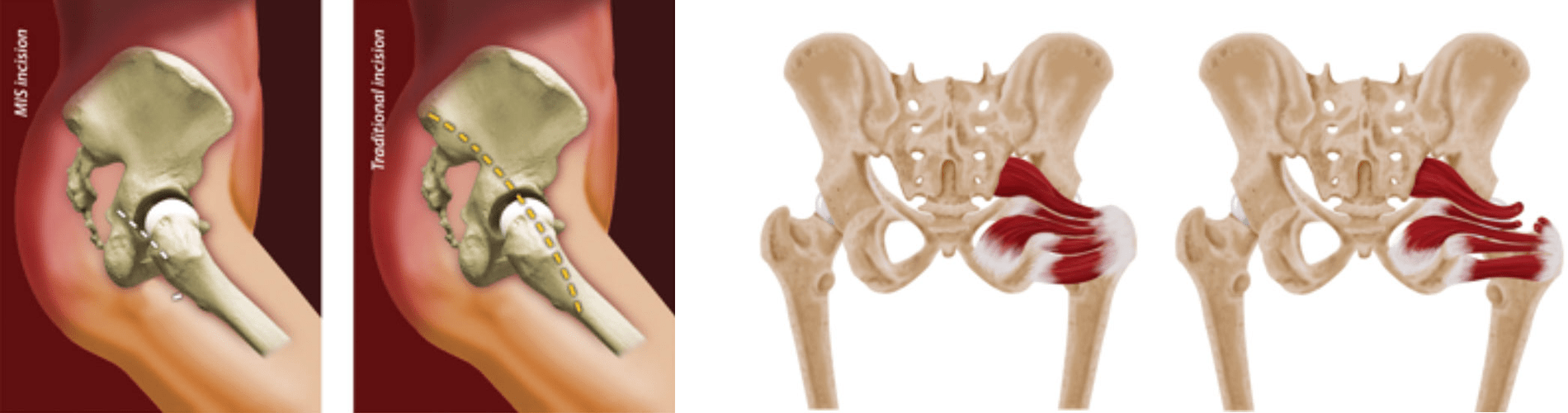
Why Choose Minimally Invasive Joint Procedures?
What are they?
Minimally invasive joint procedures refer to surgical or semi-surgical techniques performed through small incisions or portals, using a camera (arthroscope) and specialised instruments rather than large open cuts. Mayo Clinic+2Shoreline Orthopaedics+2 For example, an arthroscopy involves a fibre-optic camera inserted into the joint to view, diagnose and often treat damage inside the joint. Mayo Clinic+2posm.org+2
Because these procedures avoid large incisions, they offer reduced tissue trauma, less post-operative pain, faster recovery and smaller scars. Dr. Burke Orthopedics+1
For patients at NBR Clinic, this means a better experience, quicker return to normal activities and excellent outcomes.
What joints and conditions can benefit?
The most common joints treated with minimally invasive joint procedures include the knee, shoulder, hip, wrist, elbow and ankle. AdventHealth+2Cleveland Clinic+2 Conditions suitable include:
- Torn meniscus, ACL or other ligaments in the knee. Cleveland Clinic+1
- Shoulder rotator cuff tears, impingement syndrome, labral tears. Texas Ortho Associates
- Hip labral tears, femoroacetabular impingement (FAI). Wikipedia
- Joint inflammation (synovitis), loose cartilage / bone fragments, repeated dislocations. AdventHealth
At NBR Clinic, Dr. Riaz Ahmed brings more than 25 years in sports medicine and biomechanical rehabilitation, so he is highly experienced at assessing and treating these kinds of joint problems. nbrclinic.com+2nbrclinic.com+2
Key Benefits of Minimally Invasive Joint Procedures
Smaller incisions, less trauma
With only button-hole size cuts rather than full open surgery, there’s less disruption of muscles, tendons and skin – resulting in less pain, less bleeding and minimal scarring. billingsclinic.com
Faster recovery and return to activity
Because the procedure is less invasive, healing tends to be quicker—shorter hospital stay (or even outpatient), faster mobilization, and quicker return to sports or work. Cleveland Clinic
More accurate diagnosis and treatment
The arthroscope provides high-definition visualisation inside the joint. This means the surgeon can accurately diagnose, treat or repair the issue in one session. PMC
Lower risk of infection & complications
Smaller wounds mean fewer opportunities for infection; faster recovery also means reduced risk of complications such as deep vein thrombosis or prolonged immobility. Wikipedia
Better cosmetic outcomes
Smaller scars make for a more favourable cosmetic result — an added bonus, especially for active individuals and athletes.
The Approach at NBR Clinic by Dr. Riaz Ahmed
Expert assessment & personalised care
At NBR Clinic, you’ll first undergo a comprehensive evaluation: biomechanical assessment, imaging if required, sports-medicine history, movement analysis. Dr. Riaz Ahmed’s background in neuromuscular biomechanical rehabilitation ensures that the root causes — not just symptoms — are addressed. nbrclinic.com+1
Decision-making: conservative vs. minimally invasive
Not all joint issues require surgery. Where possible, non-surgical treatments (physiotherapy, manual therapy, exercise therapy) are used first. If the condition is structural and likely to benefit from intervention, then minimally invasive joint procedures are proposed. Dr. Ahmed emphasises elimination of injury risk and maximising performance without major surgery. nbrclinic.com+1
Procedure and post-operative plan
Should you proceed to surgery: the minimised-incision arthroscopy is done by a collaborating orthopedic surgeon (sports-medicine aware). Afterward the NBR Clinic team supervises rehabilitation — manual therapy, strengthening, neuromuscular training, sport-specific return protocols. This integrated pathway reduces downtime and improves outcomes.
Ideal for athletes & active-lifestyle patients
Given Dr. Ahmed’s history working with national athletes (for example, with the national cricket and hockey teams) and delivering advanced sports medicine care, NBR Clinic is particularly equipped to serve patients who wish to return to high-level performance. nbrclinic.com
Typical Conditions Treated with Minimally Invasive Joint Procedures
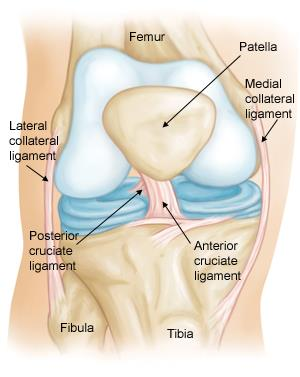
Knee Joint Injuries
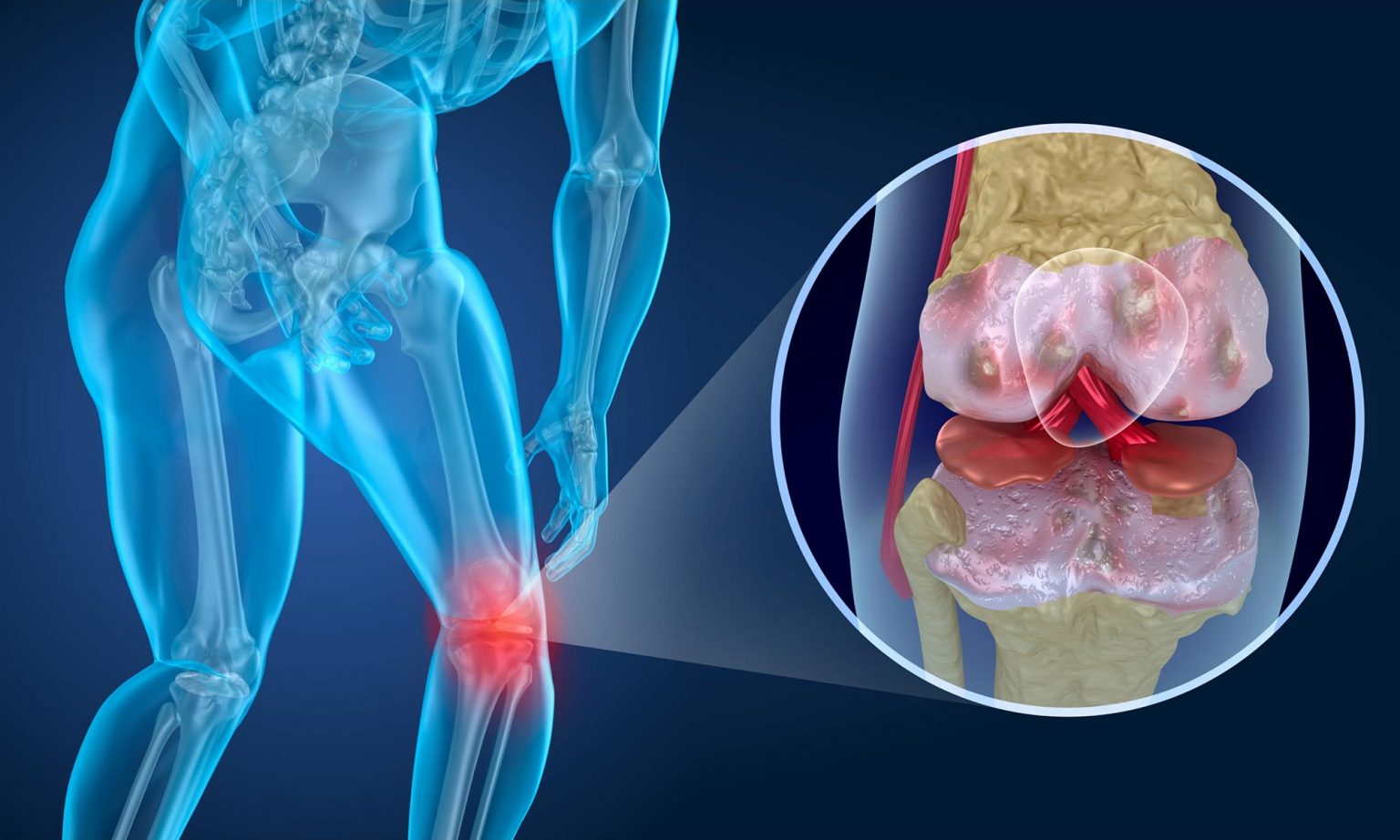
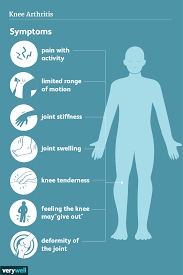
Visual representation of knee pain concept highlighting inflammation, joint discomfort, and treatment approach.
- Meniscal tears (cartilage in the knee) – minimally invasive repair or trimming.
- Anterior cruciate ligament (ACL) injury – arthroscopic reconstruction.
- Loose cartilage fragments, synovitis and early osteoarthritis changes.
These are very common in athletic populations and active adults. Cleveland Clinic+1
Shoulder Joint Problems
- Rotator cuff tears, impingement, labral tears, instability — arthroscopy of the shoulder allows repair via small portals, leading to faster return to sport. Texas Ortho Associates
Hip Joint Disorders
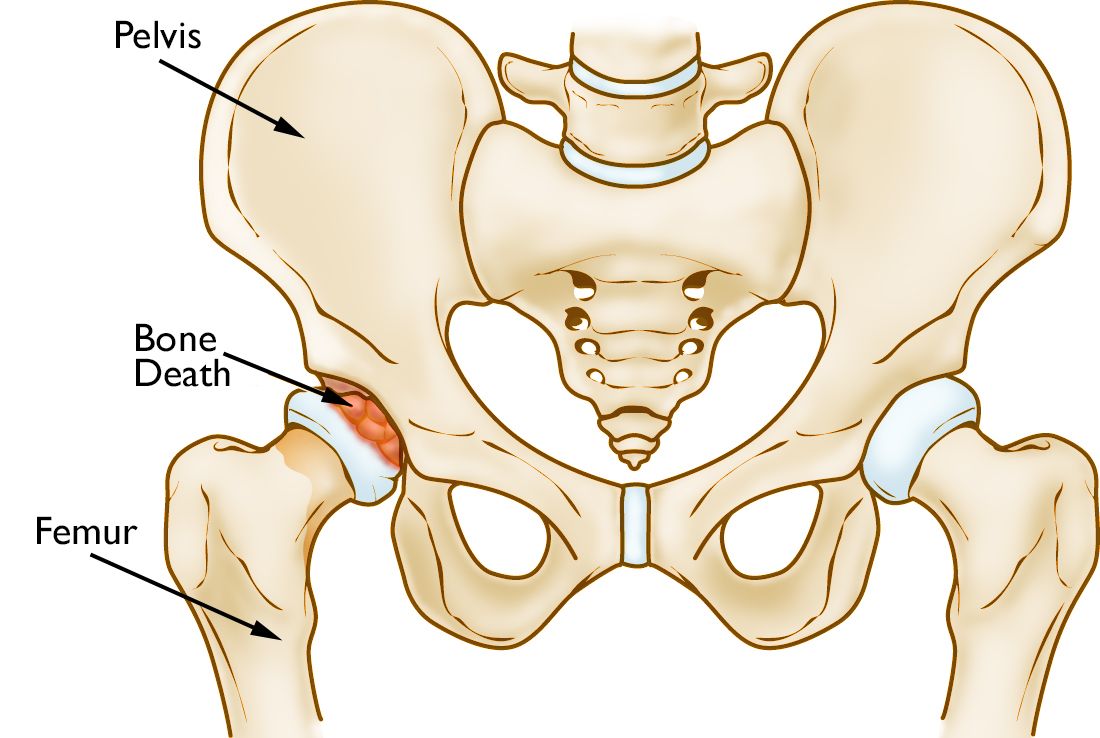
Medical concept of hip joint disorders depicting inflammation, cartilage wear, and bone degeneration affecting mobility.
- Femoroacetabular impingement (FAI), labral tears, hip cartilage damage — hip arthroscopy is a rapidly growing field due to its minimally invasive nature and effectiveness. Wikipedia
Other Joints (Wrist / Ankle / Elbow)
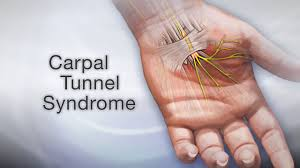
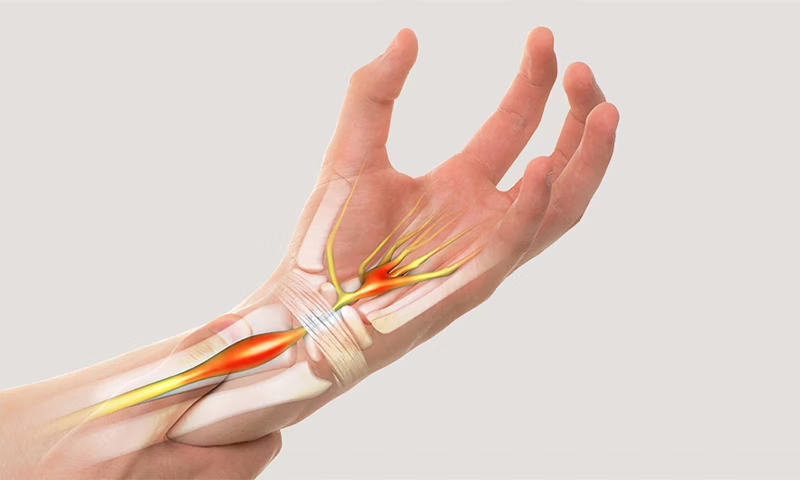
While less common, arthroscopic and minimally invasive techniques can also be used in the wrist, ankle and elbow joints for conditions such as TFCC lesions (wrist), ankle impingement, loose bodies in the joint, etc. Wikipedia
The Patient Journey: What to Expect
Initial consultation
Your journey begins with a detailed consultation at NBR Clinic where Dr. Ahmed reviews your history, conducts a physical examination and may order imaging (MRI/CT) or biomechanical assessment.
Pre-procedure preparation
If a minimally invasive joint procedure is indicated, the team will explain everything: risks, benefits, recovery timeline, rehabilitation programme. Prehabilitation (pre-surgery strengthening) may be advised to optimise outcomes.
The Procedure
On the day of surgery you will undergo arthroscopy/similar technique through small incisions. The surgeon uses a camera and instruments to examine and repair the joint internally. Because of its minimally invasive nature, hospital stay tends to be short. Mayo Clinic+1
Post-procedure rehabilitation
Rehabilitation is key. At NBR Clinic the physiotherapy and sports-med team takes over: manual therapy, exercise therapy, neuromuscular training, strength & flexibility work, progression to sport-specific drills. Because the surgery was less invasive, you can often start gentle movement early — which helps reduce stiffness and promote healing.
Return to full activity
Under guided supervision, you’ll gradually progress to full mobility, strength and return to sport or work. The aim is to restore full joint function rather than just relieve pain. With Dr. Ahmed’s sports-med focus, the goal is long-term performance and prevention of re-injury.
Who Is a Good Candidate — and Who May Not Be?
Good candidates
- Individuals with joint pain, instability or functional limitations that have not improved with conservative treatments (physiotherapy, medications, rest).
- Athletes or active adults who need a faster return to motion and performance.
- Patients with specific structural damage (meniscus tear, labral tear, cartilage loose body) confirmed on imaging and examination.
Situations where minimally invasive may not be ideal
- Advanced joint degeneration (severe osteoarthritis) where joint replacement may be required. Some literature suggests arthroscopy in such cases may not yield better outcomes than non-operative care. Wikipedia+1
- Poor general health, uncontrolled comorbidities (e.g., severe diabetes, uncontrolled infection) may increase risks.
- Patients who are non-compliant with rehabilitation – success depends heavily on post-operative rehab and active participation.
At NBR Clinic, decision-making is personalised: Dr. Ahmed will guide you whether minimally invasive joint procedures are the best route or whether an enhanced conservative path is preferable.
Cost, Recovery Time and Practicalities
Cost considerations
While costs depend on the joint, condition, surgeon and hospital facility, minimally invasive procedures often reduce hospital stay and recovery downtime, which may translate into lower indirect costs (lost work, extended physiotherapy). At NBR Clinic, clarity is provided at consultation.
Recovery timeline (typical)
- Same-day or 1-night stay for many arthroscopic procedures.
- Early mobilisation (day 1 or day 2) with physiotherapy.
- Return to light daily activities in a few days to a week.
- Return to sport or full activity varies by joint and repair complexity: often from 4-6 weeks to 3-6 months.
Practical tips for patients
- Follow pre-operative instructions (e.g., medication holds, fasting).
- Prioritise rehabilitation plan – attend physiotherapy sessions and do home exercises.
- Use assistive devices (crutches, brace) as recommended and increase load gradually.
- Communicate any concerns (pain, swelling, fever) immediately to your care team.
- Adhere to lifestyle modifications (weight control, joint-friendly activities) to support the long-term success of your joint procedure.
Why NBR Clinic & Dr. Riaz Ahmed Are Your Trusted Choice
- Dr. Riaz Ahmed is a seasoned sports medicine specialist with over 25 years of dedicated experience and a rich background in biomechanical rehabilitation. nbrclinic.com+1
- NBR Clinic combines expert sports-medicine care with advanced therapeutic rehabilitation (exercise therapy, manual therapy, neuromuscular training) so that minimally invasive joint procedures are embedded in a full recovery ecosystem. nbrclinic.com+1
- The multidisciplinary approach means your care is not just about the procedure, but about restoring full function, improving performance, and reducing the risk of future injury — key for athletes or active individuals.
- The clinic is conveniently located in Lahore (DHA) and offers direct access to comprehensive services including physiotherapy, sports-rehab, dry needling, manual therapy and more. nbrclinic.com+1
FAQs on Minimally Invasive Joint Procedures
- What is the difference between open joint surgery and minimally invasive joint procedures?
Open surgery uses large incisions to expose the joint directly. In contrast, minimally invasive joint procedures use small “key-hole” incisions, a camera (arthroscope), and small instruments to treat inside the joint. The benefits are less trauma, pain, scar and downtime. Total Spine and Orthopedics+1 - Will I still need physiotherapy after minimally invasive joint procedures?
Yes. Rehabilitation is crucial for full recovery. The procedure is only part of the journey; strength, mobility, neuromuscular training and sport-specific work are all necessary for best outcomes. At NBR Clinic, post-procedure physiotherapy is integrated into the plan. - How long before I can return to sport or my regular activities?
Timeline depends on the joint treated, extent of damage, your health and how well you adhere to rehab. Many patients resume light activity in 1-2 weeks; full return in 4-6 weeks or more for more involved repairs. Your specialist will give a personalised estimate. - Are minimally invasive joint procedures suitable for older patients or those with arthritis?
They can be suitable, but for advanced joint degeneration (severe osteoarthritis) the benefits may be limited compared to joint replacement. Your doctor must evaluate whether the structural damage is repairable or whether replacement is indicated. Cleveland Clinic - What are the risks or complications?
As with any surgery there are risks: infection, bleeding, nerve or vessel injury, blood clots. However, because minimally invasive joint procedures are less disruptive, the risk is typically lower than open surgery. Proper rehabilitation and monitoring further reduce risks. Wikipedia