Knee Pain Symptoms Causes & Treatment
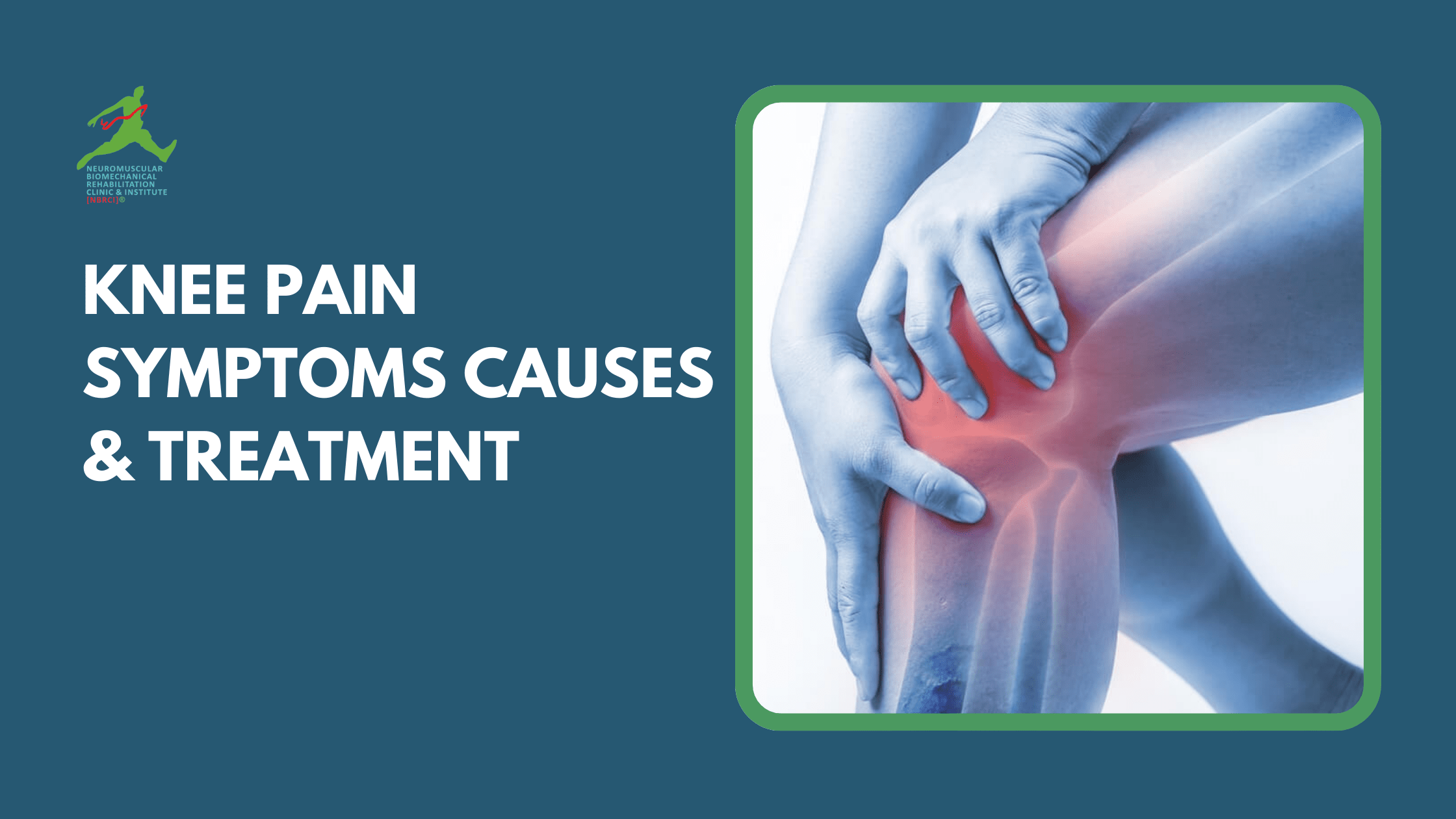
Knee pain is one of the most common musculoskeletal complaints affecting people of all ages. From athletes and office workers to older adults, knee pain symptoms can range from mild discomfort to severe pain that limits movement and daily activities. Because the knee joint supports body weight and allows walking, running, bending, and climbing stairs, even minor knee problems can significantly affect quality of life.
Understanding knee pain symptoms is essential for early diagnosis and effective treatment. At NBR Clinic, Dr. Riaz Ahmed, the Best Sports Medicine Specialist in Lahore, helps patients identify the root cause of knee pain and provides personalized, non-surgical treatment plans for long-term relief.
What Are Knee Pain Symptoms?
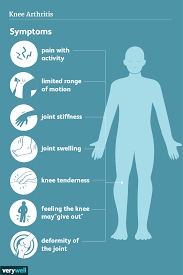
Knee pain symptoms vary depending on the underlying cause, such as injury, inflammation, arthritis, or overuse. Symptoms may appear suddenly after an accident or develop gradually over time. Below are the most common and important signs to watch for.
Swelling and Stiffness in the Knee
Swelling is often the first noticeable sign of knee pain. It occurs when excess fluid builds up in or around the knee joint due to inflammation, injury, or joint disease. Swelling may cause the knee to look larger than usual and feel tight or uncomfortable.
Knee stiffness often accompanies swelling, especially:
- After long periods of sitting
- Early in the morning
- Following physical activity
Stiffness can make it difficult to bend or straighten the knee fully. Common causes include arthritis, ligament injuries, meniscus tears, and knee bursitis.
SEO keywords naturally used:
Swelling and stiffness in knee, knee inflammation symptoms, stiff knee after rest
Redness and Warmth to the Touch
Redness and warmth around the knee joint usually indicate inflammation. If your knee feels warm when touched and appears red, it may be a sign of:
- Knee bursitis
- Tendinitis
- Infection
- Inflammatory arthritis
This symptom is often accompanied by pain and swelling. Persistent redness and warmth should never be ignored, as they may indicate a serious underlying condition that requires medical attention.
Weakness or Instability in the Knee
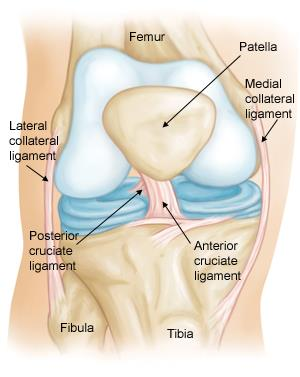
Knee weakness or instability is a serious symptom that often makes people feel as if their knee may “give way” while walking or standing. This symptom commonly occurs after ligament injuries such as:
- ACL (Anterior Cruciate Ligament) tears
- MCL or PCL injuries
- Meniscus tears
Weakness in the knee can also develop due to muscle imbalance, nerve issues, or long-term joint degeneration. Knee instability increases the risk of falls and further injury, making early diagnosis essential.
Popping or Crunching Noises
Hearing popping, clicking, grinding, or crunching noises when moving the knee is another common knee pain symptom. Occasional popping without pain may be harmless, but frequent sounds accompanied by discomfort can indicate:
- Cartilage damage
- Osteoarthritis
- Meniscus injury
- Ligament problems
Grinding sensations, also known as crepitus, are especially common in people with joint wear-and-tear conditions.
Inability to Fully Straighten the Knee
If you cannot fully straighten your knee, it may be due to joint locking, swelling, or internal damage. This symptom often points to:
- Torn meniscus
- Severe swelling
- Joint inflammation
- Cartilage injury
Difficulty straightening the knee can interfere with walking, standing, and climbing stairs. When left untreated, it may lead to long-term joint stiffness and reduced mobility.
Other Common Knee Pain Symptoms
In addition to the main symptoms above, people with knee pain may also experience:
- Pain while walking, running, or climbing stairs
- Sharp pain after injury or sudden movement
- Dull, aching knee pain that worsens with activity
- Knee pain after exercise
- Reduced range of motion
Each symptom provides valuable clues about the underlying condition and helps doctors determine the most effective treatment.
What Causes Knee Pain Symptoms?
Knee pain symptoms can result from many different causes, including:
- Sports injuries and overuse
- Arthritis (osteoarthritis or rheumatoid arthritis)
- Ligament or cartilage tears
- Poor posture or biomechanics
- Sudden trauma or accidents
- Weak muscles supporting the knee
Identifying the exact cause is essential for proper treatment and long-term recovery.
When Should You See a Doctor for Knee Pain?
You should seek medical attention if:
- Knee pain lasts more than a few days
- Swelling increases instead of improving
- The knee feels unstable or weak
- You hear popping sounds with pain
- You cannot fully straighten or bend your knee
- Redness and warmth persist
At NBR Clinic, Dr. Riaz Ahmed specializes in diagnosing knee pain using advanced clinical evaluation and imaging when necessary, ensuring accurate treatment without unnecessary surgery.
Diagnosis and Treatment at NBR Clinic
At NBR Clinic, patients receive comprehensive knee pain care, including:
- Detailed physical examination
- Injury and movement assessment
- Non-surgical treatment options
- Sports rehabilitation programs
- Pain management and recovery planning
Dr. Riaz Ahmed focuses on treating the root cause of knee pain, not just the symptoms, helping patients return to normal activity safely and effectively.
Frequently Asked Questions
What are the most common knee pain symptoms?
The most common knee pain symptoms include swelling, stiffness, redness, warmth, weakness, popping noises, and difficulty straightening the knee.
Why does my knee feel stiff and swollen?
Knee stiffness and swelling are usually caused by inflammation, injury, arthritis, or fluid buildup in the joint.
Is popping in the knee dangerous?
Occasional popping may be normal, but frequent popping with pain can indicate cartilage or ligament damage.
When should I worry about knee pain?
You should worry if knee pain is severe, persistent, causes instability, or limits movement.