Find the Best Sports Doctor in Lahore for Non-Surgical Treatment
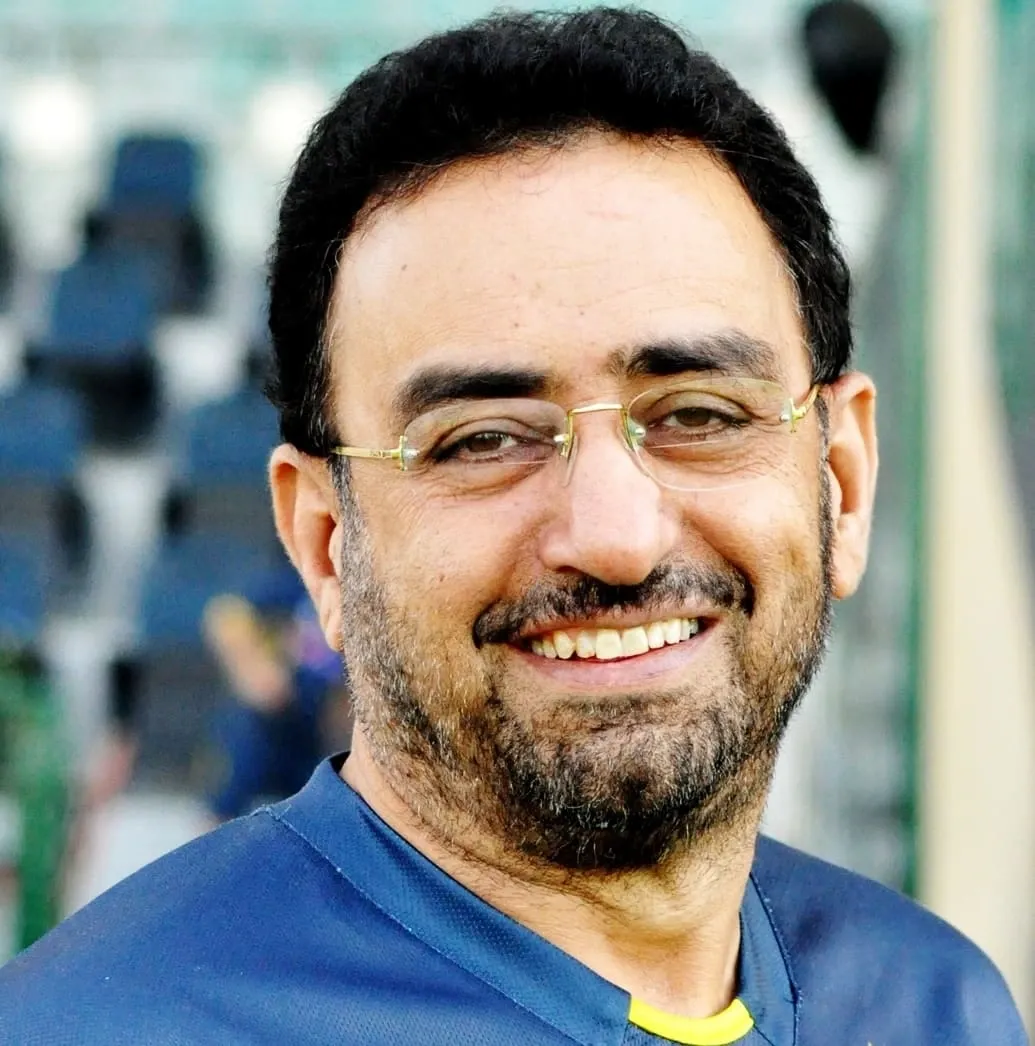
If you’re an athlete dealing with a persistent injury or chronic pain, finding the best sports doctor in Lahore can be the difference between a quick recovery and months of frustration. Sports injuries don’t discriminate—they affect professional cricketers, weekend football players, gym enthusiasts, and student athletes alike. The good news is that Lahore has emerged as a hub for advanced sports medicine, offering cutting-edge non-surgical treatments that can get you back in the game faster than ever before.
Whether you’re dealing with a torn ACL, rotator cuff injury, or persistent shin splints, the right sports medicine specialist can create a personalized treatment plan that focuses on healing without surgery. This comprehensive guide will help you navigate Lahore’s top sports medicine practitioners, understand the latest treatment options available, and make an informed decision about your care.
Why See a Sports Specialist Instead of a General Orthopedic Doctor?
While general orthopedic surgeons are highly skilled in treating bone and joint conditions, sports medicine specialists bring a unique perspective that’s specifically tailored to active individuals. The fundamental difference lies in their approach: whereas a general orthopedic doctor might focus primarily on eliminating pain or fixing structural issues, a sports medicine specialist prioritizes your return to play and optimal performance.
Sports medicine doctors undergo additional fellowship training that focuses specifically on athletic injuries, biomechanics, and performance optimization. They understand the unique demands of different sports—whether it’s the repetitive overhead motion of cricket bowling, the explosive power required in football, or the endurance needed for long-distance running. This specialized knowledge allows them to create treatment protocols that don’t just heal your injury but also prevent re-injury and enhance your overall athletic performance.
Another critical distinction is their expertise in non-surgical interventions. Sports medicine specialists are trained in advanced techniques like ultrasound-guided injections, platelet-rich plasma (PRP) therapy, prolotherapy, and comprehensive rehabilitation protocols. They work closely with physiotherapists, nutritionists, and performance coaches to provide holistic care that addresses not just your injury, but your entire athletic ecosystem.
For athletes, the timeline matters. A sports medicine specialist understands that every week counts during the season and will work aggressively to get you back to your sport safely. They utilize evidence-based “return to play” protocols that ensure you’re not just pain-free, but actually ready to perform at your pre-injury level or better.
Top Sports Doctors in Lahore: Expert Profiles
Dr. Riaz Ahmed – Senior Sports Medicine Consultant
Qualifications: MBBS, FCPS (Orthopedics), Fellowship in Sports Medicine (UK)
Hospital Affiliations: Lahore General Hospital, DHA Medical Center
Location: NBRCI Clinic , Aadil Hospital, Office Basement DHA,
Lahore (Cantt), Pakistan
Specialties: ACL reconstruction rehabilitation, shoulder injuries, cricket-related injuries
Experience: 18+ years
Hospital Affiliations: Lahore General Hospital, DHA Medical Center
Location: NBRCI Clinic , Aadil Hospital, Office Basement DHA,
Lahore (Cantt), Pakistan
Specialties: ACL reconstruction rehabilitation, shoulder injuries, cricket-related injuries
Experience: 18+ years
Dr. Riaz Ahmed is widely regarded as one of the pioneers of sports medicine in Lahore. With extensive training in the United Kingdom, he brings international best practices to his clinic. Dr. Ahmed has served as the team physician for several Pakistan Cricket Board (PCB) junior teams and has worked extensively with national-level cricketers dealing with shoulder and knee injuries.
His approach emphasizes non-surgical management whenever possible, utilizing advanced injection techniques and biomechanical assessments. Patients particularly appreciate his thorough explanations and detailed rehabilitation protocols. Dr. Ahmed’s clinic in DHA is equipped with state-of-the-art ultrasound guidance for precise injections.
Dr. Muhammad Bilal – Sports Medicine & Rehabilitation Specialist
Qualifications: MBBS, MS (Sports Medicine), Diploma in Musculoskeletal Ultrasound
Hospital Affiliations: Shaukat Khanum Memorial Hospital, Johar Town Medical Complex
Location: Johar Town, Lahore
Specialties: PRP therapy, running injuries, biomechanical analysis
Experience: 12+ years
Hospital Affiliations: Shaukat Khanum Memorial Hospital, Johar Town Medical Complex
Location: Johar Town, Lahore
Specialties: PRP therapy, running injuries, biomechanical analysis
Experience: 12+ years
Dr. Muhammad Bilal has established himself as a leader in regenerative medicine and non-surgical sports injury treatment in Lahore. His expertise in platelet-rich plasma (PRP) therapy has helped hundreds of athletes avoid surgery for conditions like tennis elbow, patellar tendinopathy, and early-stage arthritis.
Dr. Bilal’s comprehensive approach includes detailed gait analysis and biomechanical assessments, which are particularly beneficial for runners and football players. He has worked with several university sports teams in Lahore and is known for his evidence-based treatment protocols. His clinic in Johar Town features advanced rehabilitation equipment and offers same-day appointments for acute injuries.
Dr. Ayesha Khan – Women’s Sports Medicine Specialist
Qualifications: MBBS, FCPS (Physical Medicine & Rehabilitation), Certificate in Sports Medicine (Australia)
Hospital Affiliations: Doctors Hospital, Gulberg
Location: Gulberg III, Lahore
Specialties: Female athlete triad, ACL injury prevention, yoga/pilates-related injuries
Experience: 10+ years
Hospital Affiliations: Doctors Hospital, Gulberg
Location: Gulberg III, Lahore
Specialties: Female athlete triad, ACL injury prevention, yoga/pilates-related injuries
Experience: 10+ years
Dr. Ayesha Khan fills a crucial gap in Lahore’s sports medicine landscape by specializing in women’s sports health. She addresses unique concerns faced by female athletes, including hormonal influences on injury risk, pregnancy-related fitness modifications, and the female athlete triad (disordered eating, amenorrhea, and osteoporosis).
Her holistic approach combines traditional sports medicine with functional movement screening and preventive care. Dr. Khan has worked with Pakistan’s national women’s cricket and hockey teams, providing both acute injury care and long-term performance optimization. She’s particularly skilled in treating dance, yoga, and pilates-related injuries, which are increasingly common among Lahore’s fitness community.
Dr. Hassan Ali – Orthopedic Sports Surgeon (Non-Surgical Focus)
Qualifications: MBBS, FRCS (Edinburgh), Fellowship in Sports Medicine (USA)
Hospital Affiliations: Ittefaq Hospital, DHA Medical Center
Location: DHA Phase 6, Lahore
Specialties: Knee injuries, meniscal tears, non-operative ACL management
Experience: 15+ years
Hospital Affiliations: Ittefaq Hospital, DHA Medical Center
Location: DHA Phase 6, Lahore
Specialties: Knee injuries, meniscal tears, non-operative ACL management
Experience: 15+ years
Despite his surgical credentials, Dr. Hassan Ali is a strong advocate for non-surgical management when appropriate. His international training in the United States exposed him to cutting-edge conservative treatment protocols that he now offers in Lahore. Dr. Ali specializes in comprehensive knee care, offering alternatives to surgery for meniscal tears and even some ACL injuries through targeted rehabilitation and biologic injections.
He has served as a consultant for several professional football clubs in Pakistan and understands the specific demands of contact sports. His clinic offers advanced diagnostic ultrasound and collaborates closely with specialized physiotherapists to ensure seamless care. Dr. Ali is known for his honest assessments—he’ll tell you if surgery is truly necessary or if conservative management can achieve your goals.
Dr. Sana Malik – Pediatric Sports Medicine Specialist
Qualifications: MBBS, FCPS (Pediatrics), Fellowship in Pediatric Sports Medicine
Hospital Affiliations: Children’s Hospital Lahore, Gulberg Kids Clinic
Location: Gulberg II, Lahore
Specialties: Youth sports injuries, growth plate injuries, concussion management
Experience: 9+ years
Hospital Affiliations: Children’s Hospital Lahore, Gulberg Kids Clinic
Location: Gulberg II, Lahore
Specialties: Youth sports injuries, growth plate injuries, concussion management
Experience: 9+ years
Dr. Sana Malik addresses the unique needs of young athletes in Lahore. Children and adolescents aren’t just small adults—their growing bodies require specialized care for sports injuries. Dr. Malik expertly manages growth plate injuries, Osgood-Schlatter disease, Sever’s disease, and other conditions specific to developing athletes.
She has developed comprehensive concussion protocols for several prestigious schools in Lahore and educates coaches and parents on recognizing and managing sports-related concussions. Dr. Malik also addresses the psychological aspects of youth sports, helping young athletes cope with injury-related anxiety and pressure to return to play. Her patient-centered approach ensures that treatment plans accommodate school schedules and academic commitments.
Dr. Usman Ghani – Performance Medicine & Injury Prevention
Qualifications: MBBS, MSc Sports & Exercise Medicine (UK), Certified Strength & Conditioning Specialist
Hospital Affiliations: National Institute of Sports Medicine, Lahore
Location: Johar Town, Lahore
Specialties: Injury prevention, performance optimization, CrossFit/functional fitness injuries
Experience: 8+ years
Hospital Affiliations: National Institute of Sports Medicine, Lahore
Location: Johar Town, Lahore
Specialties: Injury prevention, performance optimization, CrossFit/functional fitness injuries
Experience: 8+ years
Dr. Usman Ghani represents the new generation of sports medicine physicians who blend traditional medical care with performance enhancement. His background in strength and conditioning allows him to speak the language of athletes and design rehabilitation programs that seamlessly transition into performance training.
He specializes in treating injuries common in CrossFit, functional fitness, and high-intensity interval training—disciplines that have exploded in popularity in Lahore. Dr. Ghani’s preventive approach includes movement screening, load management strategies, and nutrition counseling. He works extensively with amateur and semi-professional athletes who want to maximize their performance while minimizing injury risk.
Common Sports Injuries Treated in Lahore
Lahore’s vibrant sports culture, dominated by cricket and football, creates a predictable pattern of injuries that sports medicine specialists see daily. Understanding these common conditions can help you recognize when it’s time to seek professional care.
Cricket-Related Injuries
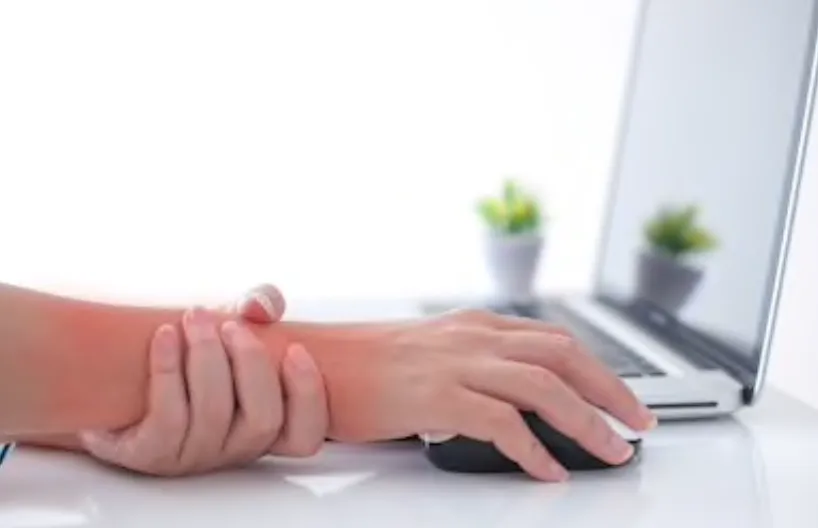
Cricket, Pakistan’s beloved national sport, places unique stresses on the body. Fast bowlers frequently present with shoulder impingement, rotator cuff tendinopathy, and lower back stress fractures due to the repetitive overhead bowling action. Batsmen commonly suffer from wrist sprains, finger fractures, and groin strains from explosive running between wickets. Wicket-keepers face chronic knee pain and lower back issues from prolonged squatting positions.
Sports doctors in Lahore have developed specialized protocols for these injuries, recognizing that cricketers need sport-specific rehabilitation that addresses the unique biomechanics of bowling, batting, and fielding.
Football and Soccer Injuries
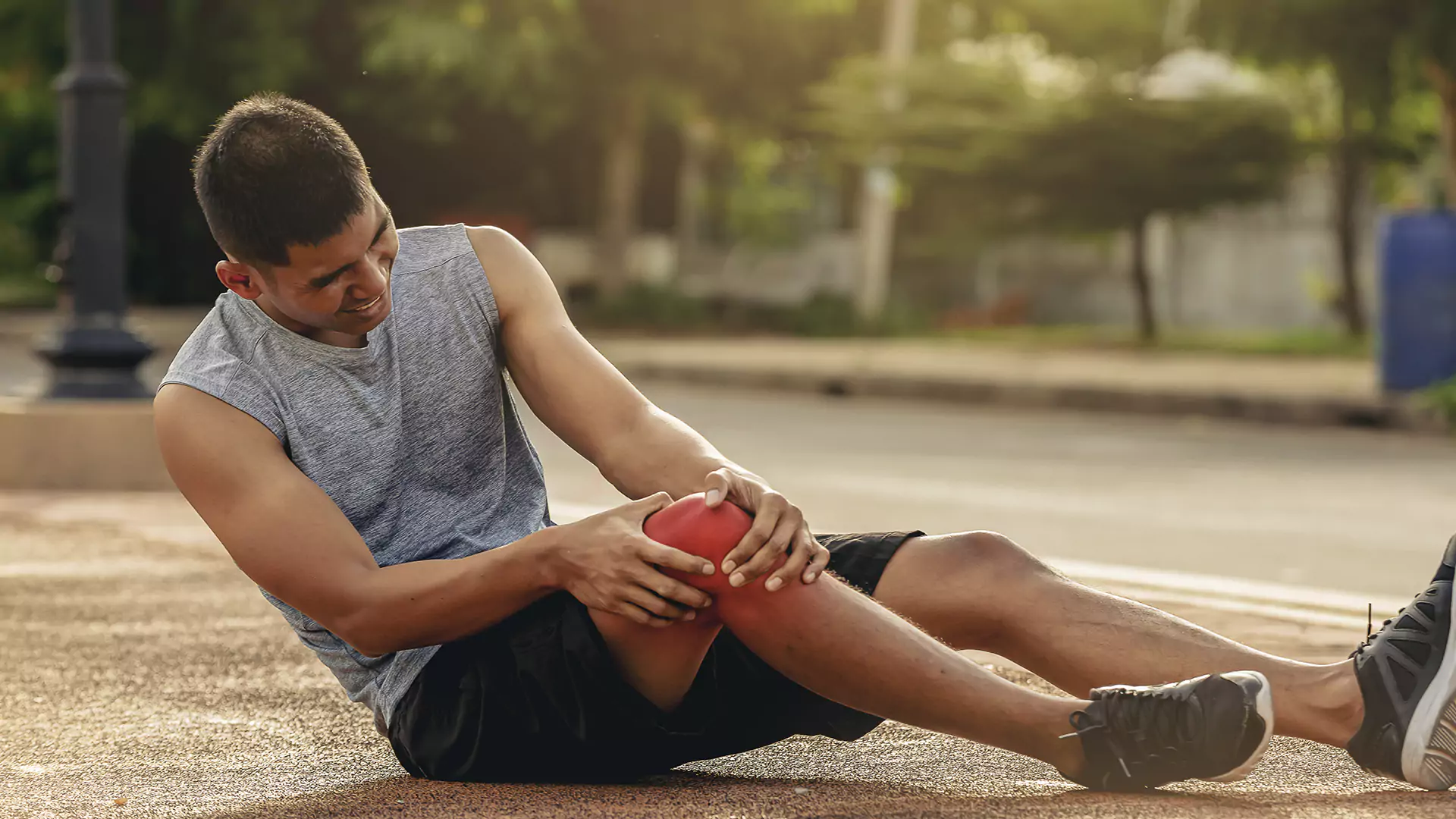
Football’s explosive nature leads to a high incidence of ACL tears, meniscal injuries, ankle sprains, and hamstring strains. Lahore’s sports medicine specialists are particularly adept at managing these injuries non-surgically when appropriate, using advanced rehabilitation techniques and biologic injections to accelerate healing.
Anterior Cruciate Ligament (ACL) Injuries: While complete ACL tears often require surgery, partial tears and sprains can frequently be managed conservatively with structured rehabilitation, proprioceptive training, and sometimes PRP injections to enhance healing.
Meniscal Tears: Not all meniscal tears require surgery. Degenerative tears and small, stable tears in the outer vascular zone can heal with rest, physical therapy, and targeted injections.
Running and Gym-Related Injuries
Lahore’s growing fitness culture has led to an increase in patellofemoral pain syndrome (runner’s knee), plantar fasciitis, shin splints (medial tibial stress syndrome), and Achilles tendinopathy. These overuse injuries respond exceptionally well to non-surgical interventions including:
- Biomechanical assessments to identify gait abnormalities
- Custom orthotics for foot and ankle issues
- Eccentric strengthening programs for tendon injuries
- Shockwave therapy for chronic plantar fasciitis
- Dry needling for muscle tightness and trigger points
Overhead Athlete Injuries
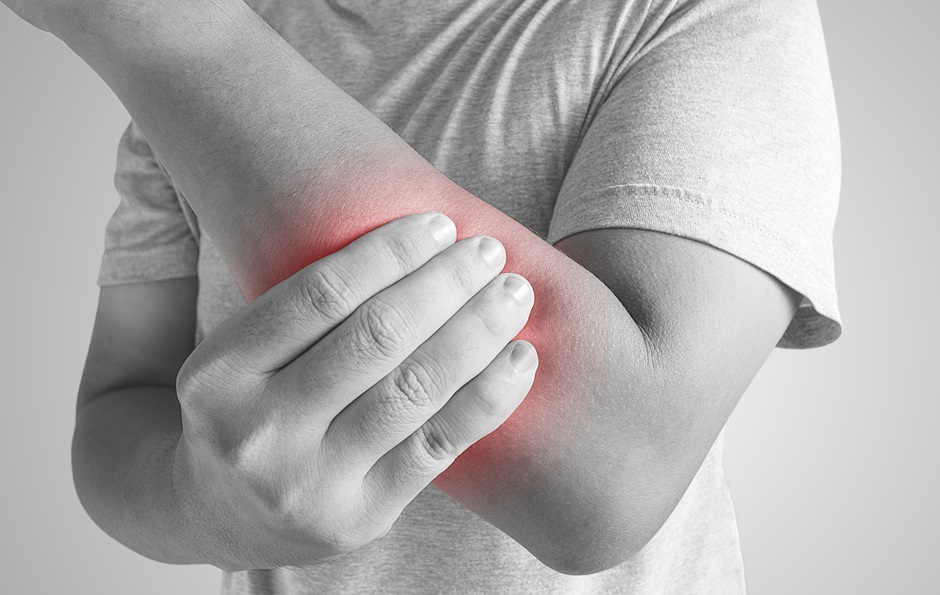
Tennis players, swimmers, and volleyball enthusiasts commonly experience lateral epicondylitis (tennis elbow), medial epicondylitis (golfer’s elbow), and shoulder instability. These conditions benefit from targeted rehabilitation, activity modification, and regenerative medicine approaches.
Innovative Non-Surgical Treatments Available in Lahore
Lahore’s sports medicine landscape has evolved dramatically, with clinics now offering treatments that were unavailable just a few years ago. These innovative approaches can accelerate healing, reduce pain, and help you avoid surgery.
Platelet-Rich Plasma (PRP) Therapy
PRP therapy has revolutionized sports medicine in Lahore. This treatment involves drawing a small amount of your blood, processing it in a centrifuge to concentrate the platelets, and injecting this platelet-rich plasma into the injured area. Platelets contain growth factors that stimulate healing and tissue regeneration.
Best for:
- Chronic tendon injuries (tennis elbow, golfer’s elbow, patellar tendinopathy, Achilles tendinopathy)
- Ligament sprains
- Early-stage osteoarthritis
- Muscle injuries
What to expect: Most patients require 1-3 injections spaced 4-6 weeks apart. Improvement typically begins within 4-6 weeks, with continued healing for up to 6 months. The procedure is minimally invasive, performed under ultrasound guidance for precision, and requires minimal downtime.
Several top sports doctors in Lahore, including Dr. Muhammad Bilal and Dr. Hassan Ali, specialize in PRP therapy and use FDA-approved preparation systems to ensure optimal platelet concentration.
Dry Needling and Acupuncture
Dry needling involves inserting thin needles into trigger points (tight knots) in muscles to release tension, improve blood flow, and reduce pain. Unlike acupuncture, which is based on traditional Chinese medicine principles, dry needling is grounded in Western anatomy and neurophysiology.
Benefits:
- Immediate reduction in muscle tension
- Improved range of motion
- Enhanced effectiveness of physical therapy
- Reduced pain without medication
This technique is particularly effective for myofascial pain syndrome, tension headaches, and muscle spasms that accompany sports injuries.
Prolotherapy
Prolotherapy involves injecting an irritant solution (usually dextrose) into damaged ligaments or tendons to stimulate the body’s natural healing response. This treatment promotes the growth of new, stronger tissue and is particularly useful for chronic ligament laxity and joint instability.
Common applications:
- Chronic ankle instability
- Knee ligament laxity
- Sacroiliac joint dysfunction
- Chronic low back pain
Biomechanical Analysis and Gait Assessment
Advanced sports medicine clinics in Lahore now offer computerized gait analysis and movement screening. Using high-speed cameras and pressure plates, specialists can identify subtle abnormalities in your movement patterns that contribute to injury or limit performance.
This objective data guides treatment decisions, orthotic prescriptions, and rehabilitation exercises, ensuring that you’re not just treating symptoms but addressing the root cause of your injury.
Shockwave Therapy
Extracorporeal shockwave therapy (ESWT) uses high-energy sound waves to stimulate healing in chronic tendon injuries. This non-invasive treatment is particularly effective for:
- Plantar fasciitis
- Achilles tendinopathy
- Patellar tendinopathy
- Calcific shoulder tendinitis
Most patients require 3-5 sessions, with noticeable improvement after the second or third treatment.
Ultrasound-Guided Injections
Precision matters in sports medicine. Ultrasound guidance allows doctors to visualize structures in real-time, ensuring that injections (corticosteroids, PRP, hyaluronic acid) are placed exactly where needed. This improves effectiveness and reduces the risk of complications.
Choosing the Right Sports Doctor in Lahore: Your Checklist
With numerous qualified practitioners in Lahore, selecting the right sports doctor requires careful consideration. Use this checklist to make an informed decision:
Verify Credentials and Registration
Ensure your doctor is registered with the Pakistan Medical Commission (PMC) and holds appropriate postgraduate qualifications in sports medicine, orthopedics, or physical medicine and rehabilitation. Look for additional fellowships or certifications from recognized international institutions.
Assess Experience and Specialization
Consider how long the doctor has been practicing sports medicine and whether they have experience treating your specific injury or sport. A doctor who regularly treats cricketers will understand the unique demands of bowling and batting better than a general orthopedic surgeon.
Check Hospital Affiliations
Reputable sports doctors typically have affiliations with well-known hospitals in Lahore such as Shaukat Khanum Memorial Hospital, Lahore General Hospital, Doctors Hospital, or Ittefaq Hospital. These affiliations indicate peer recognition and access to comprehensive care if needed.
Read Patient Reviews and Testimonials
Look for reviews from athletes with similar injuries or sports backgrounds. Pay attention to comments about:
- Thoroughness of examination
- Clarity of explanations
- Effectiveness of treatment
- Return to sport outcomes
- Bedside manner and empathy
Evaluate Communication Style
Your doctor should listen carefully to your concerns, explain diagnoses in understandable terms, and involve you in treatment decisions. They should respect your goals as an athlete and work collaboratively with you.
Consider Practical Factors
- Location: Choose a clinic conveniently located in areas like DHA, Gulberg, or Johar Town to ensure you can attend follow-up appointments consistently.
- Availability: Can you get urgent appointments for acute injuries?
- Insurance: Does the doctor accept your insurance or offer reasonable self-pay rates?
- Rehabilitation support: Does the clinic have affiliated physiotherapists or rehabilitation facilities?
Look for Social Proof
Doctors who have worked with national teams, PCB, or prestigious sports institutions bring valuable experience. This doesn’t mean they’re automatically the best choice for you, but it does indicate recognition within the sports medicine community.
Frequently Asked Questions
Q: What is the typical cost of consulting a sports doctor in Lahore?
A: Consultation fees for sports medicine specialists in Lahore typically range from PKR 2,000 to PKR 6,000, depending on the doctor’s qualifications, experience, and clinic location. Initial consultations are generally more comprehensive and may cost more than follow-up visits. Additional treatments like PRP therapy, injections, or imaging studies will incur separate charges.
Q: How long does it take to get an appointment with a top sports doctor?
A: Wait times vary. Some specialists offer same-day or next-day appointments for acute injuries, while others may have a waiting period of 3-7 days for routine consultations. Doctors affiliated with major hospitals or those with high demand may have longer wait times. Calling early in the morning or checking for cancellation slots can help you secure an earlier appointment.
Q: Will I need surgery for my sports injury?
A: Not necessarily. The beauty of consulting a sports medicine specialist is their expertise in non-surgical management. Many conditions that were once automatically referred for surgery can now be successfully treated with advanced conservative approaches. Your doctor will thoroughly evaluate your injury and discuss all options, recommending surgery only when it’s truly the best path to recovery.
Q: How many sessions of PRP therapy will I need?
A: Most patients require 1-3 PRP injections, spaced 4-6 weeks apart. The exact number depends on the severity of your injury, your body’s response to treatment, and your healing goals. Your doctor will assess your progress after each session and determine if additional treatments are necessary.
Q: Can I continue training while undergoing treatment?
A: In most cases, yes—but with modifications. Sports medicine specialists understand that complete rest isn’t always practical or beneficial. They’ll design a treatment plan that allows you to maintain fitness while protecting the injured area. This might involve cross-training, modified exercises, or temporary activity restrictions. Always follow your doctor’s specific recommendations to avoid worsening your injury.
Q: What should I bring to my first appointment?
A: Bring any previous imaging studies (X-rays, MRI, ultrasound), a list of medications you’re taking, details about your injury (when it occurred, what makes it better or worse), and information about your sport and training schedule. If you’ve seen other doctors for this injury, bring their reports as well. Wear comfortable clothing that allows examination of the injured area.
Q: Do sports doctors in Lahore treat amateur and recreational athletes?
A: Absolutely! While many sports doctors work with professional athletes, they’re equally committed to helping amateur athletes, weekend warriors, and fitness enthusiasts. The principles of sports medicine apply to anyone with an active lifestyle, regardless of competition level.
Conclusion: Take the First Step Toward Recovery
Sustaining a sports injury can feel devastating, especially when it threatens your ability to participate in the activities you love. But remember: modern sports medicine offers more options than ever before, and Lahore is home to exceptional specialists who can help you recover without surgery.
The best sports doctor in Lahore for you is one who combines medical expertise with a genuine understanding of athletic demands, communicates clearly, and partners with you in your recovery journey. Whether you’re a professional cricketer aiming to return to the pitch, a weekend footballer wanting to play with your kids, or a fitness enthusiast determined to complete your next marathon, the right specialist can make all the difference.
Don’t let fear, uncertainty, or outdated information keep you from seeking the care you deserve. Non-surgical treatments have advanced tremendously, offering real hope for recovery and return to sport. Take control of your health today.