Early Warning Signs of Carpal Tunnel Syndrome You Shouldn’t Ignore
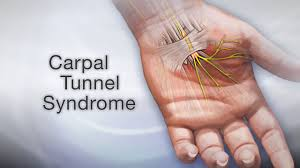
Carpal Tunnel Syndrome (CTS) doesn’t develop overnight. It creeps up gradually, often starting with subtle symptoms that many people dismiss as temporary discomfort or fatigue. By the time severe pain sets in, significant nerve damage may have already occurred. At NBR Clinic, Dr. Riaz Ahmed, the Best Sports Medicine Specialist in Lahore, emphasizes that early recognition of CTS symptoms is crucial for preventing permanent injury and avoiding invasive surgery.
If you’re experiencing unexplained hand discomfort, this guide will help you identify the early warning signs that demand immediate attention.
What Are the First Signs of Carpal Tunnel Syndrome?
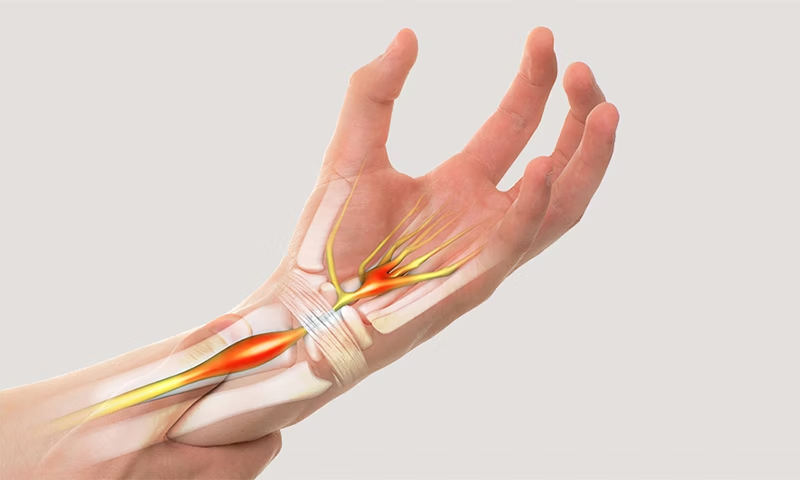
The median nerve controls sensation and movement in your thumb and first three fingers. When this nerve becomes compressed at the wrist, it sends distress signals that manifest in specific ways. Understanding these early indicators can save you months of pain and potential disability.
1. Intermittent Numbness in Specific Fingers
The earliest and most common symptom is numbness or reduced sensation in your:
- Thumb
- Index finger
- Middle finger
- Half of the ring finger
Key Distinction: If your little finger is numb, it’s likely NOT carpal tunnel syndrome. The median nerve doesn’t extend to the pinky finger, so numbness there suggests a different condition like ulnar nerve compression.
When to Worry: If numbness occurs more than 2-3 times per week, especially during specific activities like typing, driving, or holding your phone, it’s time to seek evaluation at NBR Clinic.
2. “Pins and Needles” Sensation (Paresthesia)
That tingling, prickling feeling—like your hand is “falling asleep”—is your median nerve crying for help. Unlike temporary numbness from poor circulation, CTS-related tingling:
- Occurs repeatedly throughout the day
- Lasts longer than a few minutes
- Happens without obvious pressure on the wrist
- May feel like electric shocks shooting into your fingers
Dr. Riaz Ahmed’s Clinical Insight: “Patients often describe this as ‘buzzing’ or ‘vibrating’ in their fingertips. This is the nerve being irritated by compression. Don’t ignore it hoping it will resolve on its own.”
3. Nighttime Symptoms That Wake You Up
This is a hallmark sign of early CTS: Waking up in the middle of the night with numb, tingling hands. Many patients unconsciously flex their wrists while sleeping, which increases pressure in the carpal tunnel by up to 8 times compared to a neutral position.
Typical nighttime patterns:
- Symptoms worsen between 2 AM and 6 AM
- You shake or flick your hands to restore sensation (called the “flick sign”)
- Symptoms improve temporarily when you change position
- You wake up with stiff, painful fingers
Why This Matters: Nocturnal symptoms indicate that nerve compression is significant enough to disrupt normal function even during rest. This is a red flag that requires professional assessment.
4. Weakness in Grip and Pinching
Early CTS doesn’t just affect sensation—it impacts muscle function. The thenar muscles at the base of your thumb are controlled by the median nerve. When compressed, you may notice:
- Dropping objects more frequently (cups, phones, keys)
- Difficulty buttoning shirts or fastening small closures
- Reduced grip strength when opening jars or turning doorknobs
- Thumb weakness when pinching small objects between thumb and index finger
Self-Test: Try holding a piece of paper between your thumb and palm. If you struggle to maintain grip or your thumb trembles, this could indicate early thenar muscle weakness from CTS.
5. Pain That Radiates Beyond the Wrist
While CTS originates at the wrist, the pain doesn’t stay localized. Early symptoms often include:
- Aching in the forearm (especially the inner forearm)
- Discomfort extending to the elbow
- Occasional shoulder tension on the affected side
- Burning sensation that travels from wrist to fingertips
Important Note: If pain is your ONLY symptom without numbness or tingling, it may be tendonitis or another condition. However, pain combined with sensory changes strongly suggests CTS.
6. Swelling Sensation Without Visible Swelling
Many patients report a peculiar symptom: their fingers feel swollen and puffy even though there’s no visible inflammation. You might:
- Struggle to remove rings that previously fit comfortably
- Feel like your hands are “full” or “tight”
- Experience stiffness when making a fist
This phantom swelling occurs because nerve compression alters proprioception—your brain’s ability to sense your hand’s position and condition.
7. Loss of Temperature Sensation
In early to moderate CTS, you may notice:
- Difficulty distinguishing between hot and cold water by touch alone
- Reduced ability to feel texture differences (smooth vs. rough)
- Needing to look at objects to confirm you’re holding them properly
This sensory degradation happens because the median nerve’s sensory fibers are being compromised.
8. Symptoms Triggered by Specific Activities
Early CTS is often activity-dependent. Pay attention if symptoms consistently occur during:
|
Activity
|
Why It Triggers Symptoms
|
|---|---|
|
Driving
|
Gripping the steering wheel flexes the wrist
|
|
Typing/Mouse Use
|
Repetitive motion and wrist extension
|
|
Phone Use
|
Holding devices requires thumb flexion
|
|
Reading
|
Holding books or tablets for extended periods
|
|
Sleeping
|
Wrist flexion during rest
|
Pattern Recognition: If symptoms reliably appear 10-15 minutes into these activities and resolve shortly after stopping, this is a strong indicator of early CTS.
Who Is at Risk for Early Carpal Tunnel Syndrome in Lahore?
Understanding your risk factors helps you stay vigilant. At NBR Clinic, we see certain populations in Lahore experiencing higher rates of early CTS:
Occupational Risk Factors
- IT Professionals & Data Entry Workers: 6-8 hours daily of keyboard/mouse use
- Healthcare Workers: Nurses and doctors performing repetitive patient care tasks
- Textile & Manufacturing Workers: Assembly line work with vibrating tools
- Musicians: Guitarists, pianists, and drummers with repetitive hand movements
- Chefs & Food Service: Repetitive chopping, stirring, and knife work
Health Conditions That Increase Risk
- Diabetes: Alters nerve function and blood flow (particularly relevant in Pakistan’s diabetic population)
- Hypothyroidism: Causes fluid retention that compresses the nerve
- Rheumatoid Arthritis: Inflammation in wrist tendons
- Obesity: Increased BMI correlates with higher CTS risk
- Pregnancy: Hormonal changes cause temporary fluid retention
Anatomical & Lifestyle Factors
- Female Gender: Women are 3x more likely to develop CTS
- Age 40-60: Peak incidence period
- Small Carpal Tunnel: Genetic predisposition
- Smoking: Reduces blood flow to the median nerve
- High Salt Diet: Common in Pakistani cuisine, contributes to fluid retention
Why Early Detection Matters: The Window of Opportunity
Dr. Riaz Ahmed stresses that the first 3-6 months of symptom onset represent a critical treatment window. Here’s what happens if you delay:
Timeline of Untreated CTS
Weeks 1-4 (Early Stage):
- Intermittent symptoms
- Nerve irritation but no structural damage
- Treatment Success Rate: 90%+ with conservative care
Months 2-3 (Moderate Stage):
- Daily symptoms
- Beginning of nerve demyelination (protective sheath damage)
- Treatment Success Rate: 70-80% with splinting and therapy
Months 4-6 (Advanced Stage):
- Constant numbness
- Muscle wasting begins (thenar atrophy)
- Treatment Success Rate: 50% may require surgery
Beyond 6 Months (Severe Stage):
- Permanent nerve damage possible
- Significant muscle weakness
- Treatment Success Rate: Surgery often necessary; full recovery not guaranteed
The Bottom Line: Early intervention can prevent surgery in up to 70% of cases. Waiting too long may make surgery unavoidable and reduce the likelihood of complete recovery.
What Should You Do If You Notice These Early Signs?
Immediate Self-Care Steps (First 48 Hours)
- Rest the Affected Hand: Avoid activities that trigger symptoms
- Apply Cold Therapy: Ice pack for 10-15 minutes to reduce inflammation
- Neutral Wrist Positioning: Avoid flexing or extending your wrist
- Over-the-Counter NSAIDs: Ibuprofen can reduce swelling (consult a doctor first)
- Gentle Stretching: Perform wrist flexor stretches 3-4 times daily
When to Seek Professional Evaluation
Schedule an appointment at NBR Clinic immediately if you experience:
✅ Symptoms lasting more than 2 weeks
✅ Nighttime awakening due to hand numbness
✅ Noticeable weakness in grip or thumb movement
✅ Symptoms in both hands
✅ Symptoms interfering with work or daily activities
✅ History of diabetes or thyroid disease
What to Expect at Your NBR Clinic Consultation
Dr. Riaz Ahmed will conduct a comprehensive evaluation including:
1. Detailed Medical History:
- Symptom onset and progression
- Occupational and recreational activities
- Existing health conditions
- Family history of CTS
2. Physical Examination:
- Phalen’s Test: Wrist flexion for 60 seconds to reproduce symptoms
- Tinel’s Sign: Tapping over the median nerve
- Durkan’s Test: Direct carpal tunnel compression
- Muscle Strength Testing: Assessing thenar muscle function
- Sensory Testing: Evaluating sensation in each finger
3. Diagnostic Studies (if indicated):
- Nerve Conduction Study (NCS): Gold standard for confirming CTS
- Electromyogram (EMG): Assessing muscle health
- Ultrasound: Visualizing nerve swelling
- X-Ray: Ruling out bone-related causes
Conservative Treatment Options for Early-Stage CTS
The good news? Early-stage CTS is highly treatable without surgery. At NBR Clinic, Dr. Riaz Ahmed employs evidence-based conservative treatments:
1. Custom Wrist Splinting
- Night splints keep wrists in neutral position during sleep
- Daytime splints for activity modification
- Custom-fitted at NBR Clinic for optimal comfort and effectiveness
- Success Rate: 60-70% improvement in early-stage patients
2. Activity Modification & Ergonomics
- Workplace ergonomic assessment
- Keyboard and mouse positioning guidance
- Scheduled micro-breaks (every 20-30 minutes)
- Voice-to-text software recommendations
- Proper tool selection for manual tasks
3. Physical Therapy & Nerve Gliding Exercises
- Median nerve gliding techniques
- Tendon gliding exercises
- Strengthening protocols for forearm muscles
- Postural correction strategies
- Home exercise programs supervised by NBR Clinic therapists
4. Corticosteroid Injections
- Ultrasound-guided injections for precision
- Provides rapid symptom relief (often within 24-48 hours)
- Reduces inflammation around the median nerve
- Duration of Relief: 2 weeks to several months
- Can be repeated if symptoms recur
5. Lifestyle Modifications
- Weight management programs
- Blood sugar control for diabetic patients
- Smoking cessation support
- Dietary sodium reduction
- Stress management techniques
Red Flags: When Early Symptoms Become Emergencies
Seek urgent care at NBR Clinic if you experience:
- Sudden, severe weakness in hand or thumb
- Complete loss of sensation in thumb, index, or middle finger
- Visible muscle wasting at the base of the thumb
- Symptoms following trauma (fall, accident, fracture)
- Bilateral symptoms with neck pain (could indicate cervical spine issue)
- Fever with wrist pain (possible infection)
These signs may indicate severe nerve compression or alternative diagnoses requiring urgent intervention.
Prevention Strategies for High-Risk Individuals in Lahore
If you’re at risk but symptom-free, or if you’ve successfully treated early CTS, these prevention strategies can protect your nerve health:
Workplace Ergonomics for Lahore Professionals
For Office Workers:
- Keep wrists straight while typing (not bent up, down, or to sides)
- Use an ergonomic keyboard with negative tilt
- Position mouse at elbow height
- Take 5-minute breaks every hour
- Perform wrist stretches at your desk
For Healthcare Workers:
- Alternate tasks to avoid repetitive strain
- Use proper body mechanics during patient transfers
- Wear supportive gloves for procedures
- Strengthen forearm muscles regularly
For Manual Laborers:
- Use vibration-dampening gloves with power tools
- Rotate job tasks when possible
- Maintain tools to reduce vibration
- Take frequent rest breaks
Daily Habits That Protect Your Wrists
✅ Sleep Position: Avoid sleeping on your hands or with wrists bent
✅ Phone Use: Use speaker mode or voice commands; avoid prolonged texting
✅ Driving: Keep wrists relaxed on the wheel; take breaks on long drives
✅ Exercise: Incorporate yoga or Pilates for wrist flexibility
✅ Hydration: Drink adequate water to maintain tissue health
✅ Phone Use: Use speaker mode or voice commands; avoid prolonged texting
✅ Driving: Keep wrists relaxed on the wheel; take breaks on long drives
✅ Exercise: Incorporate yoga or Pilates for wrist flexibility
✅ Hydration: Drink adequate water to maintain tissue health
Nutritional Support for Nerve Health
Foods That Support Median Nerve Function:
- Vitamin B6: Chickpeas, salmon, potatoes, bananas
- Vitamin B12: Eggs, dairy, lean meats (crucial for nerve health)
- Omega-3 Fatty Acids: Fish, walnuts, flaxseeds (reduce inflammation)
- Magnesium: Spinach, almonds, black beans (muscle relaxation)
- Antioxidants: Berries, green tea, dark chocolate (nerve protection)
Supplements to Discuss with Dr. Ahmed:
- Vitamin B6 (50-100 mg daily)
- Alpha-lipoic acid (600 mg daily)
- Omega-3 fish oil (1000-2000 mg daily)
Why Choose NBR Clinic for Early CTS Diagnosis in Lahore?
When you notice early warning signs, choosing the right specialist makes all the difference. Here’s why patients across Lahore trust Dr. Riaz Ahmed at NBR Clinic:
Expertise You Can Trust
- Board-Certified Sports Medicine Specialist with extensive experience in nerve compression disorders
- Advanced Training in both conservative and surgical CTS management
- Thousands of Successful Cases treated at NBR Clinic
- Latest Diagnostic Technology including digital nerve conduction studies
Patient-Centered Approach
- Thorough Evaluations: Dr. Ahmed spends time understanding your unique situation
- Personalized Treatment Plans: No cookie-cutter protocols; care tailored to your lifestyle and goals
- Clear Communication: Explanations in both Urdu and English
- Transparent Pricing: No hidden costs; affordable care options
Comprehensive Care Under One Roof
- On-site diagnostic testing
- Physical therapy services
- Ergonomic assessments
- Surgical facilities (if needed)
- Post-treatment rehabilitation
Convenient Lahore Location
- Accessible from Gulberg, DHA, Model Town, and surrounding areas
- Flexible appointment times including evenings
- Minimal wait times
- Follow-up care that fits your schedule
Frequently Asked Questions About Early CTS Symptoms
Q: Can early carpal tunnel syndrome go away on its own?
A: Mild cases may improve with rest and activity modification, but most cases progress without treatment. Early professional intervention significantly improves outcomes and can prevent permanent nerve damage.
A: Mild cases may improve with rest and activity modification, but most cases progress without treatment. Early professional intervention significantly improves outcomes and can prevent permanent nerve damage.
Q: How long do early CTS symptoms last before becoming severe?
A: Progression varies by individual. Without treatment, symptoms typically worsen over 3-6 months. However, some patients experience rapid progression within weeks, especially if they continue aggravating activities.
A: Progression varies by individual. Without treatment, symptoms typically worsen over 3-6 months. However, some patients experience rapid progression within weeks, especially if they continue aggravating activities.
Q: Is it normal to have CTS symptoms in only one hand?
A: Yes, early CTS often affects the dominant hand first. However, 50-70% of patients eventually develop bilateral symptoms. If you have symptoms in one hand, monitor the other closely.
A: Yes, early CTS often affects the dominant hand first. However, 50-70% of patients eventually develop bilateral symptoms. If you have symptoms in one hand, monitor the other closely.
Q: Can young people get carpal tunnel syndrome?
A: Absolutely. While CTS is more common after age 40, we see patients in their 20s and 30s at NBR Clinic, especially those with repetitive occupations, diabetes, or genetic predisposition.
A: Absolutely. While CTS is more common after age 40, we see patients in their 20s and 30s at NBR Clinic, especially those with repetitive occupations, diabetes, or genetic predisposition.
Q: Will I need surgery if I have early symptoms?
A: Most patients with early-stage CTS respond well to conservative treatment. Surgery is typically reserved for cases that don’t improve after 3-6 months of non-surgical care or when severe nerve damage is present.
A: Most patients with early-stage CTS respond well to conservative treatment. Surgery is typically reserved for cases that don’t improve after 3-6 months of non-surgical care or when severe nerve damage is present.
Q: How quickly can I get an appointment at NBR Clinic for CTS evaluation?
A: We prioritize patients with new or worsening symptoms. Same-week appointments are often available for urgent cases. Contact us to schedule your evaluation with Dr. Riaz Ahmed.
A: We prioritize patients with new or worsening symptoms. Same-week appointments are often available for urgent cases. Contact us to schedule your evaluation with Dr. Riaz Ahmed.
Take Action Today: Don’t Ignore Early Warning Signs
Your hands are essential to your quality of life, career, and independence. Early carpal tunnel syndrome is highly treatable, but delaying care can lead to permanent nerve damage, chronic pain, and the need for surgery.
If you’ve recognized any of the warning signs described in this article—whether it’s nighttime numbness, intermittent tingling, or unexplained weakness—don’t wait for symptoms to worsen.
Schedule Your CTS Evaluation at NBR Clinic Today
- Comprehensive diagnostic evaluation
- Personalized treatment planning
- Access to cutting-edge conservative therapies
- Expert surgical care if needed
- Ongoing support throughout your recovery
📞 Book Your Appointment:
- Clinic: NBR Clinic, Lahore
- Specialist: Dr. Riaz Ahmed
- Services: Early CTS diagnosis, nerve conduction studies, conservative treatment, surgical options
- Areas Served: Gulberg, DHA, Model Town, and all of Lahore
Your hands deserve expert care. Act now before early symptoms become permanent problems.