Common Sports Injury Symptoms: A Lahore Athlete’s Guide to Staying in the Game
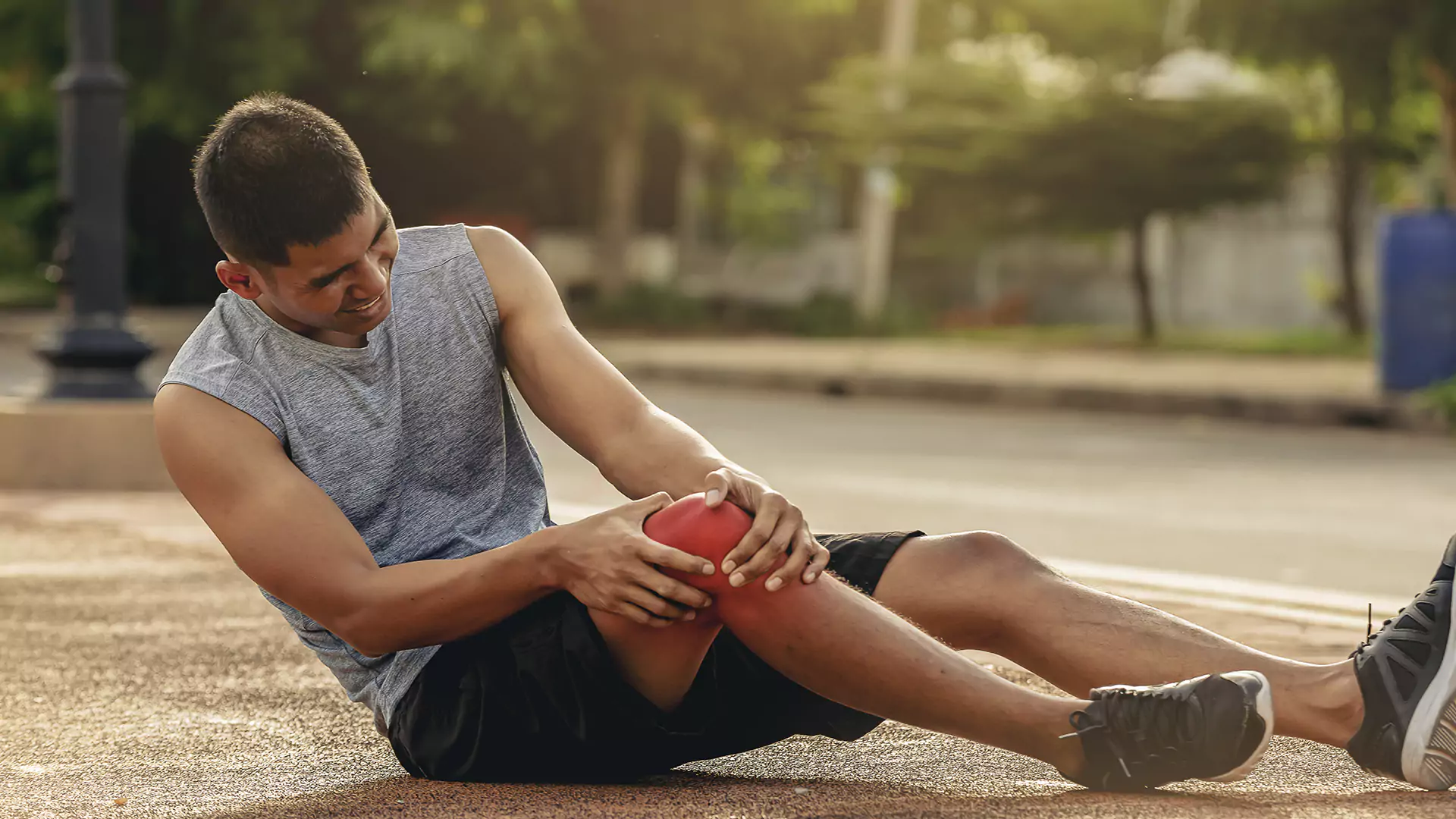
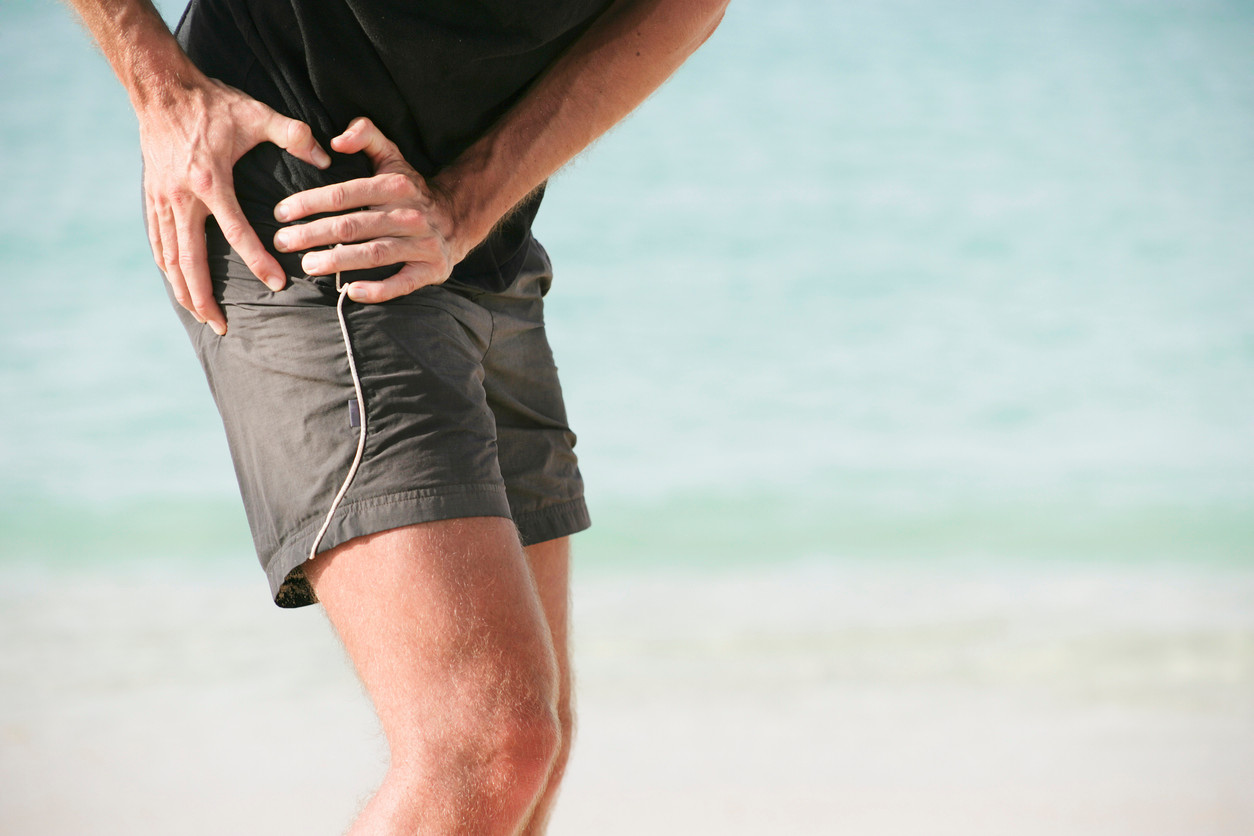
The thrill of a last-minute cricket match at Model Town Park, the intensity of a football game at the Punjab University ground, or the grind of a heavy deadlift at a gym in Gulberg—playing sports is part of the cultural fabric of Lahore. But whether you are a professional athlete or a weekend warrior, that sudden “pop” in your knee or the dull ache in your shoulder after a tennis serve can be a game-changer.
Ignoring the signs is the fastest way to turn a minor tweak into a chronic problem. But how do you know if that pain is just normal soreness or a serious injury? In this guide, we break down the common sports injury symptoms so you know exactly when to apply the RICE method and when it’s time to head to a sports injury clinic in Lahore.
Why Recognizing Symptoms Early Matters
In the heat of the moment, adrenaline masks pain. However, understanding the difference between acute (sudden) and chronic (overuse) symptoms is crucial for your long-term health. Misdiagnosing a muscle strain versus a tear can keep you off the field for months instead of weeks. [Internal Link: Benefits of Sports Physical Therapy]
The “Big Three” Universal Symptoms of Sports Injuries
Regardless of the sport or body part, almost all athletic injuries present with three cardinal signs. If you experience these, your body is sending a distress signal.
Pain and Tenderness
- What it feels like: A sharp, stabbing sensation during activity or a dull, throbbing ache at rest.
- Sports Context: A cricketer feeling a sharp pain in the shoulder during a throw, or a runner experiencing shin splints that hurt to the touch.
- NLP Context: Pain is the primary entity. We must differentiate between acute pain (immediate, severe) and chronic pain (persistent, long-term).
Swelling and Inflammation
- What it looks like: Visible puffiness around a joint or muscle. The area may feel warm or hot to the touch.
- Why it happens: Swelling is the body’s immediate response to tissue damage. It indicates that blood and fluids are rushing to protect the area.
- Actionable Insight: If swelling occurs immediately (within minutes), it usually indicates a more severe injury like a fracture or ligament tear. If it appears the next day, it might be a muscle strain.
Bruising (Discoloration)
- What it looks like: Black, blue, or purple marks under the skin.
- What it means: This indicates bleeding under the skin due to torn blood vessels. For example, a twisted ankle in basketball that turns black and blue by the next morning suggests ligament damage.
Quick Reference: Symptoms by Injury Type
To help you quickly identify what you might be dealing with, here is a breakdown of symptoms based on the specific type of injury. This table organizes the key information you need to differentiate between common sports-related issues .
Table 1: Common Sports Injuries and Their Symptoms
| Injury Type | Common Cause | Primary Symptoms | Typical Location |
| Sprain (Ligament) | Twisting, fall, or blow | Pain, swelling, bruising, instability, “popping” sound | Ankle, knee, wrist |
| Strain (Muscle/Tendon) | Overstretching, overuse | Spasms, weakness, sharp pain, limited motion | Hamstring, back, quad |
| Stress Fracture (Bone) | Repetitive impact, overuse | Localized pain on bone, worse with activity, better with rest | Shin, foot, lower back |
| Tendinitis (Tendon) | Repetitive motion, overuse | Dull ache, tenderness, mild swelling, pain during movement | Shoulder, elbow, knee |
| Concussion (Brain) | Blow to the head | Confusion, dizziness, nausea, headache, blurred vision | Head |
Injury-Specific Symptoms (From Head to Toe)
Different structures in the body show different signs. Here is how to spot specific injuries common among Lahore’s active population.
Ligament Injuries (Sprains)
- Common In: Ankles (from football), knees (ACL tears from landing jumps), wrists (from falling).
- Symptoms:
- Popping Sensation: Hearing or feeling a “pop” at the time of injury.
- Instability: The feeling that your ankle or knee is going to “give out” or buckle when you try to stand.
- Severe Swelling: Rapid swelling around the joint.
Muscle Injuries (Strains and Tears)
- Common In: Hamstrings (sprinters), quadriceps (footballers), lower back (gym-goers).
- Symptoms:
- Muscle Spasms: Involuntary, painful contractions.
- Loss of Strength: Difficulty pushing off the ground or lifting the leg.
- The “Muscle Strain vs Tear” Scale:
- Grade 1 (Mild Strain): Tightness, minimal swelling, can still move.
- Grade 2 (Moderate Tear): Sharp pain, loss of function, visible bruising.
- Grade 3 (Severe Rupture): Complete loss of muscle function, major deformity (a lump or gap in the muscle).
Bone Injuries (Fractures and Stress Fractures)
- Common In: Runners (stress fractures in feet/shin), contact sports (collarbone fractures).
- Symptoms:
- Stress Fracture: Pain that starts mid-run, goes away with rest, but returns immediately when you start running again. Tenderness when pressing on a specific spot on the bone.
- Acute Fracture: Deformity, inability to bear weight, intense pain.
Overuse Injuries (Tendinitis and Bursitis)
- Common In: Tennis players (Tennis Elbow), swimmers (Swimmer’s Shoulder).
- Symptoms:
- Tendinitis: Pain that is worse at the beginning of an activity, sometimes warms up, but then returns sharply after cooling down.
- Bursitis: Deep, aching pain with significant swelling over a joint (like the knee or elbow).
Severity Scale: How Bad Is It?
Not all injuries are created equal. Medical professionals often grade injuries by severity to determine the right treatment path. This scale helps you understand where your injury might fall .
Table 2: Sports Injury Severity Scale
| Grade | Severity | Tissue Damage | Symptoms | What It Means for You |
| Grade 1 | Mild | Minimal tearing, microscopic damage | Mild pain, tightness, slight stiffness. Little to no swelling. | Can often be managed with rest and home care. You may still have some function. |
| Grade 2 | Moderate | Partial tear of tissue | Significant pain, noticeable swelling, bruising, loss of strength/range of motion. Joint may feel loose. | You need to see a specialist. Recovery takes weeks and requires rehab. |
| Grade 3 | Severe | Complete tear or rupture | Severe pain (or no pain if nerves are damaged), major instability (joint gives out), significant swelling, deformity. | This is a serious injury. See a doctor immediately; surgery is often required. |
The “Red Flags”: Sports Injury Symptoms That Need an ER Visit
While many injuries can be treated with rest, some symptoms indicate a serious problem. If you experience any of the following, do not wait for a clinic appointment; head to a sports medicine urgent care or hospital emergency room in Lahore immediately.
- Inability to Bear Weight: You cannot take more than 3-4 steps on a leg or foot.
- Deformity: The limb or joint looks crooked, bent, or out of place compared to the uninjured side.
- Numbness or Tingling: This could indicate nerve damage.
- Joint Locking: Your knee or elbow gets stuck and you cannot straighten it.
- Concussion Symptoms: After a head collision (common in boxing or football), look for confusion, nausea, dizziness, or slurred speech.
The RICE Method: What to Do Immediately After Injury
If you have ruled out the “Red Flags,” the immediate 48 hours post-injury are critical. Follow the RICE method to control symptoms and speed up recovery [Internal Link: Top 5 Recovery Tools for Athletes in Lahore]. Here is a simple breakdown of what to do:
Table 3: The RICE Method Action Plan
| Letter | Stands For | Action | Why? |
| R | Rest | Stop playing immediately. Avoid using the injured area for the first 24-48 hours. | Prevents further damage and allows the healing process to begin. |
| I | Ice | Apply an ice pack (wrapped in a thin cloth) for 15-20 minutes every 2-3 hours. | Reduces pain, swelling, and inflammation by constricting blood vessels. |
| C | Compression | Wrap the area with an elastic bandage. It should be snug, but not so tight that it causes numbness. | Limits swelling and provides support to the injured tissues. |
| E | Elevation | Keep the injured area raised above the level of your heart (e.g., prop your ankle up on pillows). | Uses gravity to help drain fluid and reduce swelling. |
When to See a Specialist in Lahore
If your symptoms don’t improve after 48-72 hours of home treatment, or if you are experiencing joint instability or persistent pain, it is time to consult an expert. Searching for a “sports injury clinic near me” in Lahore will yield many results, but look for specialists in orthopedics or physical therapy who understand the demands of your sport.
Ignoring symptoms like lingering pain or swelling can lead to chronic instability, making you more prone to future injuries. [Internal Link: How to Choose the Right Orthopedic Specialist]
Frequently Asked Questions (FAQ)
Q:How do I know if my sports injury is serious or just a minor strain?
This is the most critical question for athletes. Searchers want a binary “yes/no” checklist to determine if they need to go to the ER or if they can go home and rest.
Q:What is the difference between a sprain and a strain?
This is a classic, high-volume informational query. People use these terms interchangeably but want to know which structure is injured (ligament vs. muscle/tendon) to understand their symptoms.
Q:Can you still walk with a torn ACL?
This is a very specific, high-intent question. Someone who heard a “pop” in their knee wants to know if their ability to walk (even with pain) rules out a catastrophic injury like an ACL tear.
Q:What does a popped tendon feel like?
Users are searching for sensory descriptors (sound, feeling) to match against their own experience. They want to know if the “pop” they felt is normal or a sign of a rupture.
Q:What are the red flags for a concussion?
Due to the serious nature of head injuries, this is a high-demand question. Parents, coaches, and athletes want to know which symptoms (vomiting, confusion, loss of consciousness) require immediate emergency attention.
Q:How long does it take to recover from a sports injury?
Once an injury occurs, the immediate next thought is “when can I play again?” This question drives searches for recovery timelines based on injury type (sprain vs. fracture).
Q:What is the RICE method for injuries?
This is the gold standard for immediate at-home treatment. Users have heard the acronym but need a refresher on exactly what Rest, Ice, Compression, and Elevation entail.
Q:Should I ice or heat a sports injury?
There is immense confusion around this topic. Searchers want a clear rule of thumb (e.g., “Ice for acute, heat for chronic”) to avoid making their injury worse.
Q:Can a torn ligament heal on its own?
Users are trying to avoid surgery. They want to know if non-surgical treatment (rest, PT) is an option for their specific injury, or if a tear requires surgical intervention.
Q:What helps with pain and swelling after an injury?
A broad but common question looking for solutions beyond just RICE, potentially including OTC medication (like ibuprofen vs. acetaminophen) and natural remedies.
Q:What are the most common overuse injuries in runners?
This question targets a specific audience (runners) and a specific injury mechanism (overuse/chronic vs. acute). Searchers want to know about shin splints, stress fractures, and runner’s knee.
Q:Why is my injury still swollen after a week?
This indicates a concern that healing is not progressing normally. The user is looking for reasons why swelling persists and if it indicates a more severe problem.
Q:When should I go to urgent care vs. my doctor for an injury?
A logistical question that mixes medical urgency with healthcare navigation. Users want to know which symptoms warrant an ER visit versus a scheduled clinic appointment.
Q:What is the difference between acute and chronic injuries?
Users want to understand the timeline of their pain. This helps them categorize their symptoms (sudden trauma vs. gradual, nagging pain) to find the right information.
Q:How can I prevent sports injuries?
A classic preventive care question. While not about current symptoms, it is frequently searched by active individuals who want to avoid experiencing the symptoms listed above.