Cervical Spondylosis Symptoms & Neck Pain Guide | NBR Clinic
What Are the Common Symptoms of Cervical Spondylosis?
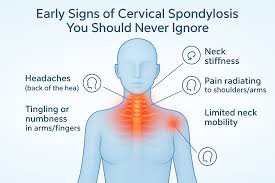
Cervical spondylosis symptoms typically begin as mild neck pain and stiffness that worsens with activity. As the age-related neck wear and tear progresses, patients may experience radiating pain into the shoulders, chronic headaches originating at the base of the skull, and a “grinding” sensation when turning the head. In advanced cases involving cervical disc degeneration or spinal stenosis, neurological signs such as numbness, tingling in the hands, or muscle weakness may occur.
Introduction: Understanding Cervical Spondylosis and Chronic Neck Pain
If you are experiencing persistent neck pain after a long day at your desk or noticing a restricted range of motion when checking your blind spot while driving, you are not alone. In Lahore’s fast-paced professional and athletic circles, neck discomfort is often dismissed as simple fatigue. However, these signs frequently point to cervical spondylosis symptoms—a condition characterized by the natural “wear and tear” of the spinal discs and vertebrae in the neck.
At NBR Clinic, we understand that chronic stiffness is more than just an inconvenience; it is a signal of underlying biomechanical shifts. Whether it is cervical disc degeneration or the development of bone spurs, early recognition of these symptoms is vital to preventing long-term disability and maintaining your peak physical performance.
The Core Symptoms of Cervical Spondylosis
Most individuals over the age of 60 show some signs of neck wear and tear on imaging, yet not everyone experiences debilitating pain. When symptoms do manifest, they generally fall into two categories: mechanical (localized) and neurological (nerve-related).
1. Persistent Neck Pain and Stiffness
The most universal indicator is a dull, aching pain in the cervical region. This discomfort often:
- Worsens when holding the head in one position for long periods (e.g., computer work or driving).
- Improves slightly with rest or gentle heat application.
- Is accompanied by a “tight” sensation that limits your ability to tilt or rotate your head.
2. Radiculopathy (Radiating Pain)
When cervical disc degeneration leads to a pinched nerve, you may feel sharp, electric-shock sensations that travel from the neck down into the shoulder blades, arms, or even the fingertips. This is often a sign that the space for your nerves is narrowing, a condition known as spinal stenosis.
3. Cervicogenic Headaches
Many patients at NBR Clinic seek help for chronic headaches, unaware they originate in the neck. These headaches typically start at the base of the skull and move forward to the forehead or behind the eyes.
4. Crepitus (Grinding Sounds)
A “popping” or “grinding” noise when moving your neck is common. While often harmless, in the context of cervical spondylosis symptoms, it indicates that the protective cartilage is thinning, causing bone-on-bone friction.
Advanced Symptoms: When Wear and Tear Affects the Nerves
As the condition advances, the structural changes in the spine can begin to compress the spinal cord itself—a condition called myelopathy.
- Muscle Weakness: You might find it difficult to lift heavy objects or notice a loss of grip strength.
- Lack of Coordination: This can manifest as “clumsiness” with fine motor tasks, such as buttoning a shirt or writing.
- Paresthesia: Frequent “pins and needles” or a heavy, numb feeling in the hands and feet.
Expert Insight: If you experience a sudden loss of bladder or bowel control alongside severe neck stiffness, seek emergency medical attention immediately, as this may indicate severe spinal cord compression.
Why Do These Symptoms Develop? (Who, What, and Why)
Who is at Risk?
While aging is the primary driver—with 90% of people over 60 showing signs of spondylosis—younger professionals in Lahore are increasingly affected. Frequent “text neck” from mobile use and sedentary office roles accelerate neck wear and tear. Athletes are also at risk due to repetitive strain or past cervical injuries.
What is Happening Inside?
Over time, spinal discs lose their water content and elasticity. As they shrink, the body may respond by growing “bone spurs” (osteophytes) to stabilize the spine. However, these spurs can inadvertently narrow the spinal canal, leading to spinal stenosis.
Why Does the Pain Persist?
Without biomechanical correction, the body compensates for the pain by overusing other muscles. This creates a cycle of inflammation and muscle spasms that makes “treating neck pain at home” difficult without professional guidance.
How to Treat Neck Pain at Home and When to See a Doctor
At-Home Management
For mild neck stiffness, you can find relief using:
- Ergonomic Adjustments: Ensure your computer screen is at eye level.
- Heat/Cold Therapy: Apply a warm compress to relax tight muscles or an ice pack to reduce acute inflammation.
- Gentle Stretching: Chin tucks and shoulder blade squeezes can help maintain mobility.
When to See a Doctor for Neck Stiffness
However, home remedies have limits. You should book a consultation at NBR Clinic if:
- The pain persists for more than two weeks despite rest.
- You feel numbness or weakness in your arms.
- The pain follows a specific injury, such as a car accident or sports impact.
- You experience dizziness or blurred vision along with neck movement.
Advanced Treatment at NBR Clinic, Lahore
At NBR Clinic, led by Dr. Riaz Ahmed, we don’t just mask the pain with medication. Our approach focuses on Neuromuscular Biomechanical Rehabilitation to treat the root cause.
| Treatment Modality | Benefit for Cervical Spondylosis |
| Manual Therapy | Restores joint mobility and reduces muscle guarding. |
| Dry Needling | Releases deep trigger points that contribute to chronic tension. |
| Biomechanical Correction | Re-aligns your posture to take pressure off the cervical discs. |
| Targeted Exercise | Strengthens deep neck flexors to support the spine naturally. |
Frequently Asked Questions (FAQs)
Can cervical spondylosis be cured?
While you cannot “reverse” the physical wear and tear of aging, you can successfully manage the symptoms. Through physical therapy and lifestyle changes, most patients live pain-free lives without needing surgery.
Is walking good for cervical spondylosis?
Yes. Low-impact aerobic exercise like walking increases blood flow to the spinal structures and helps maintain overall flexibility. However, avoid high-impact running if it triggers your neck pain.
What is the best sleeping position for neck pain?
Sleeping on your back or side with a supportive orthopedic pillow that maintains the natural curve of your neck is ideal. Avoid sleeping on your stomach, as it forces the neck into an unnatural twist for hours.
Conclusion: Reclaiming Your Mobility
Recognizing cervical spondylosis symptoms early is the first step toward a pain-free life. While neck wear and tear is a natural part of aging, chronic neck pain does not have to be your “new normal.” By addressing cervical disc degeneration through evidence-based rehabilitation and biomechanical correction, you can protect your spine and maintain your active lifestyle.
NBR Clinic is Lahore’s premier destination for Neuromuscular Biomechanical Rehabilitation and advanced physical therapy. Led by Dr. Riaz Ahmed, a top sports medicine specialist with over 37 years of experience, we provide evidence-based treatments for cervical spondylosis, chronic neck pain, and sports injuries. Our clinic specializes in biomechanical correction, manual therapy, and dry needling to treat the root cause of pain, restore mobility, and improve athletic performance. Experience personalized rehabilitation at NBR Clinic, located at Aadil Hospital, DHA, Lahore.