Carpal Tunnel Syndrome Treatment in Lahore | NBR Clinic & Dr. Riaz Ahmed
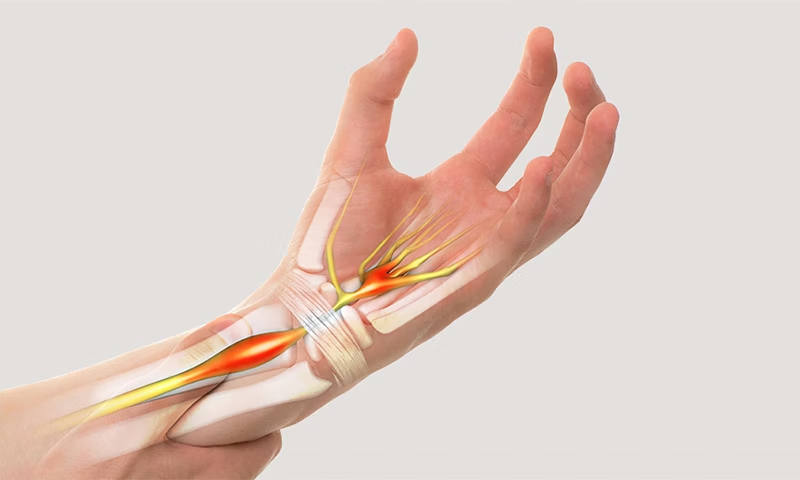
Carpal Tunnel Syndrome (CTS) is a common medical condition that causes pain, numbness, and tingling in the hand and arm. It occurs when the median nerve, which runs from your forearm into the palm of your hand, becomes pressed or squeezed at the wrist. At NBR Clinic, led by the Best Sports Medicine Specialist in Lahore, Dr. Riaz Ahmed, we provide comprehensive, evidence-based diagnosis and treatment for patients suffering from wrist pain and nerve compression.
If you are waking up with numb fingers, struggling to grip objects, or experiencing chronic wrist pain, you may be dealing with CTS. This guide provides a detailed overview of the condition, its causes, and the advanced treatment protocols available at our facility in Lahore.
What is Carpal Tunnel Syndrome?
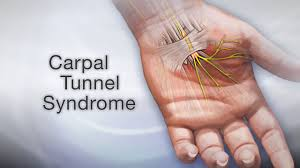
Carpal Tunnel Syndrome is a neuropathic disorder affecting the wrist. The “carpal tunnel” is a narrow passageway of ligament and bone at the base of your hand. It houses the median nerve and the tendons that bend your fingers. When the tissues in this tunnel swell, they compress the median nerve.
Unlike other hand pain conditions, CTS specifically affects the thumb, index finger, middle finger, and half of the ring finger. The little finger is usually unaffected, which is a key diagnostic indicator used by Dr. Riaz Ahmed during clinical evaluation.
Key Characteristics of CTS:
- Nerve Compression: Direct pressure on the median nerve.
- Location: Wrist and hand (specifically the radial side).
- Progression: Symptoms often start gradually and worsen over time without intervention.
- Impact: Can lead to permanent nerve damage and muscle wasting if ignored.
Common Symptoms & Warning Signs
Recognizing the early signs of Carpal Tunnel Syndrome is crucial for preventing long-term damage. At NBR Clinic, we advise patients in Lahore to seek consultation if they experience the following persistent symptoms:
1. Numbness and Tingling
Often described as a “pins and needles” sensation. This usually occurs in the thumb, index, and middle fingers. Many patients report this sensation waking them up at night.
2. Weakness in the Hand
You may find yourself dropping objects more frequently. This is due to weakness in the thumb’s pinching muscle, which is controlled by the median nerve.
3. Pain Radiating Up the Arm
While the compression is at the wrist, pain can travel up the forearm toward the elbow and shoulder. This is often mistaken for general muscle strain.
4. Loss of Proprioception
Some patients feel a sense of swelling in their fingers, even when there is no visible swelling. They may also lose the ability to distinguish between hot and cold sensations by touch alone.
5. Nighttime Aggravation
Symptoms are frequently worse at night. This is because many people sleep with their wrists flexed, which increases pressure within the carpal tunnel
Causes and Risk Factors
While repetitive hand use is a well-known cause, Dr. Riaz Ahmed emphasizes that CTS is often multifactorial. Understanding the root cause is essential for effective treatment.
Anatomical Factors
Some people are born with a smaller carpal tunnel. This hereditary trait makes them more susceptible to nerve compression even with minor swelling.
Repetitive Strain and Ergonomics
Professionals in Lahore who work extensively with computers, assembly lines, or vibrating tools are at higher risk. However, recent studies suggest that while typing contributes to discomfort, it is not the sole cause of CTS. Poor wrist ergonomics play a significant role.
Health Conditions
Systemic conditions can increase the risk of developing CTS:
- Diabetes: Alters nerve function and blood flow.
- Rheumatoid Arthritis: Causes inflammation in the wrist tendons.
- Hypothyroidism: Can lead to fluid retention and swelling.
- Pregnancy: Hormonal changes often cause temporary fluid retention compressing the nerve.
Gender and Age
Women are three times more likely to develop Carpal Tunnel Syndrome than men, likely due to having a smaller carpal tunnel area. The condition is most common in adults aged 40 to 60.
Diagnosis at NBR Clinic: Precision and Expertise
Accurate diagnosis is the foundation of successful treatment. As the Best Sports Medicine Specialist in Lahore, Dr. Riaz Ahmed utilizes a combination of physical examination and advanced diagnostic tools to confirm CTS and rule out other conditions like cervical radiculopathy or tendonitis.
Physical Examination Tests
- Phalen’s Maneuver: The patient flexes their wrist for 60 seconds. If numbness or tingling occurs, it indicates CTS.
- Tinel’s Sign: The doctor taps over the median nerve at the wrist. A shock-like sensation into the fingers suggests nerve irritation.
- Durkan’s Test: Direct pressure is applied to the carpal tunnel to reproduce symptoms.
Diagnostic Imaging and Studies
- Nerve Conduction Study (NCS): This is the gold standard for diagnosing CTS. It measures how fast electrical impulses move through your nerve. Slowed impulses confirm compression.
- Electromyogram (EMG): Evaluates the health of the muscles controlled by the median nerve.
- Ultrasound: High-frequency sound waves create images of the median nerve, showing if it is swollen or compressed.
- X-Ray: Used to rule out bone fractures or arthritis that may mimic CTS symptoms.
At NBR Clinic, we ensure that every diagnosis is backed by clinical data to create a personalized treatment plan.
Treatment Options for Carpal Tunnel Syndrome
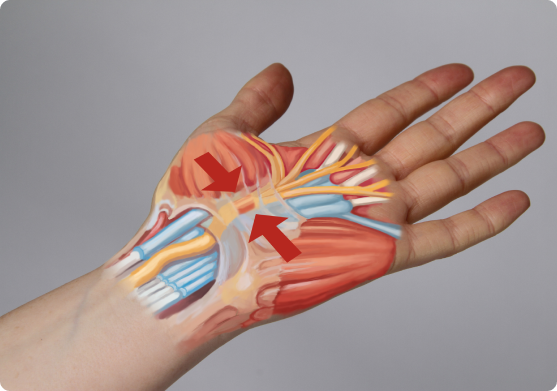
Treatment depends on the severity of the symptoms and the duration of the condition. Dr. Riaz Ahmed advocates for a阶梯 approach, starting with conservative management before considering surgical intervention.
Non-Surgical Treatments
For mild to moderate cases, the following treatments are highly effective:
1. Wrist Splinting Wearing a splint that holds your wrist in a neutral position reduces pressure on the median nerve. This is particularly effective when worn during sleep to prevent nighttime flexion.
2. Activity Modification Taking frequent breaks during repetitive tasks and adjusting workstation ergonomics can alleviate stress on the wrist. We guide patients on proper keyboard and mouse positioning.
3. Medications Non-steroidal anti-inflammatory drugs (NSAIDs) like ibuprofen can help relieve pain and reduce inflammation in the early stages.
4. Corticosteroid Injections Injecting cortisone into the carpal tunnel space can decrease swelling and relieve pressure on the nerve. This provides significant temporary relief and can help confirm the diagnosis.
5. Physical Therapy Specific nerve gliding exercises can help the median nerve move more freely through the carpal tunnel. At NBR Clinic, our therapy team designs custom rehabilitation programs.
Surgical Treatment: Carpal Tunnel Release
If conservative treatments fail, or if there is evidence of severe nerve damage (such as muscle wasting), surgery is recommended.
Dr. Riaz Ahmed specializes in advanced surgical techniques:
- Open Carpal Tunnel Release: A small incision is made in the palm to cut the transverse carpal ligament, relieving pressure.
- Endoscopic Carpal Tunnel Release: A minimally invasive procedure using a tiny camera. This often results in less scar tissue and a faster recovery time.
The goal of surgery is to create more space for the nerve by cutting the ligament that is pressing on it. Most patients experience immediate relief from tingling, though full strength recovery may take several months.
Why Choose Dr. Riaz Ahmed at NBR Clinic?
When seeking treatment for Carpal Tunnel Syndrome in Lahore, choosing the right specialist is vital for long-term recovery. Dr. Riaz Ahmed is recognized as the Best Sports Medicine Specialist in Lahore, bringing years of clinical expertise and a patient-centric approach to NBR Clinic.
Expertise and Experience
Dr. Ahmed has treated thousands of patients with musculoskeletal and nerve disorders. His deep understanding of sports medicine allows him to treat not just the injury, but the biomechanics that caused it. This is crucial for athletes and active individuals who need to return to peak performance.
Advanced Facility
NBR Clinic is equipped with state-of-the-art diagnostic and treatment technology. From digital nerve conduction studies to modern surgical suites, we ensure high standards of care.
Holistic Recovery Plan
We do not just treat the wrist; we look at the whole body. Poor posture, shoulder tension, and neck alignment can contribute to wrist issues. Our holistic approach ensures comprehensive care.
Patient Education
We believe in empowering patients. Dr. Ahmed takes the time to explain the condition, the treatment options, and the expected recovery timeline, ensuring you are an active participant in your healing process.
Recovery and Prevention Strategies
Recovery from Carpal Tunnel Syndrome is a process. Whether you are undergoing splinting therapy or post-surgical recovery, adherence to medical advice is key.
Post-Treatment Care
- Elevation: Keep the hand elevated to reduce swelling.
- Wound Care: Keep surgical incisions clean and dry to prevent infection.
- Gradual Movement: Begin finger movement exercises immediately to prevent stiffness, as advised by Dr. Ahmed.
- Follow-Up: Attend all scheduled appointments at NBR Clinic to monitor nerve recovery.
Preventing Recurrence
Once treated, CTS can return if risk factors are not managed.
- Ergonomic Workspace: Ensure your wrists are straight while typing. Use ergonomic keyboards or vertical mice.
- Regular Breaks: Follow the 20-20-20 rule for hands. Every 20 minutes, stretch your hands for 20 seconds.
- Strength Training: Strengthening the forearm muscles can support the wrist joint.
- Manage Health Conditions: Keep diabetes and arthritis under control to reduce inflammation risks.
Frequently Asked Questions (FAQs)
Q: Can Carpal Tunnel Syndrome heal on its own?
A: Mild cases may improve with rest and splinting. However, moderate to severe CTS usually worsens without medical intervention. Early diagnosis at NBR Clinic prevents permanent nerve damage.
Q: Is Carpal Tunnel Surgery painful?
A: The procedure is performed under local or regional anesthesia, so you feel no pain during surgery. Post-operative discomfort is manageable with medication and typically subsides within a few days.
Q: How long does recovery take after CTS surgery?
A: Most patients can use their hand for light activities within a few days. Full strength and grip power usually return within 6 to 12 weeks, depending on the severity of the condition and the patient’s adherence to therapy.
Q: Who is the best doctor for Carpal Tunnel in Lahore?
A: Dr. Riaz Ahmed at NBR Clinic is widely regarded as the Best Sports Medicine Specialist in Lahore for treating wrist and nerve conditions, offering both non-surgical and advanced surgical solutions.
Q: Does typing cause Carpal Tunnel Syndrome?
A: Typing alone is rarely the sole cause. However, poor typing posture and lack of breaks can aggravate existing conditions. Ergonomics play a larger role than the act of typing itself.
Q: What happens if I ignore Carpal Tunnel symptoms?
A: Ignoring symptoms can lead to permanent nerve damage, loss of sensation, and atrophy (wasting) of the thumb muscles. This damage may become irreversible even with surgery.
Conclusion: Take Control of Your Hand Health
Living with Carpal Tunnel Syndrome can significantly impact your quality of life, work productivity, and sleep. However, with modern medical advancements and expert care, it is a highly treatable condition.
Do not let wrist pain dictate your daily routine. Early intervention is the key to a full recovery without the need for invasive procedures. At NBR Clinic, we are dedicated to providing Lahore’s residents with top-tier orthopedic and sports medicine care.
Dr. Riaz Ahmed combines technical expertise with compassionate care to ensure you return to a pain-free life. Whether you need a diagnostic evaluation, conservative therapy, or surgical intervention, our team is here to guide you through every step of your recovery journey.
Contact NBR Clinic today to schedule your consultation. Prioritize your health and trust your care to the Best Sports Medicine Specialist in Lahore.