Athlete’s Guide to Groin Pain: Causes & How To Find Relief
Quick Summary: What is Groin Pain and How Do You Fix It?
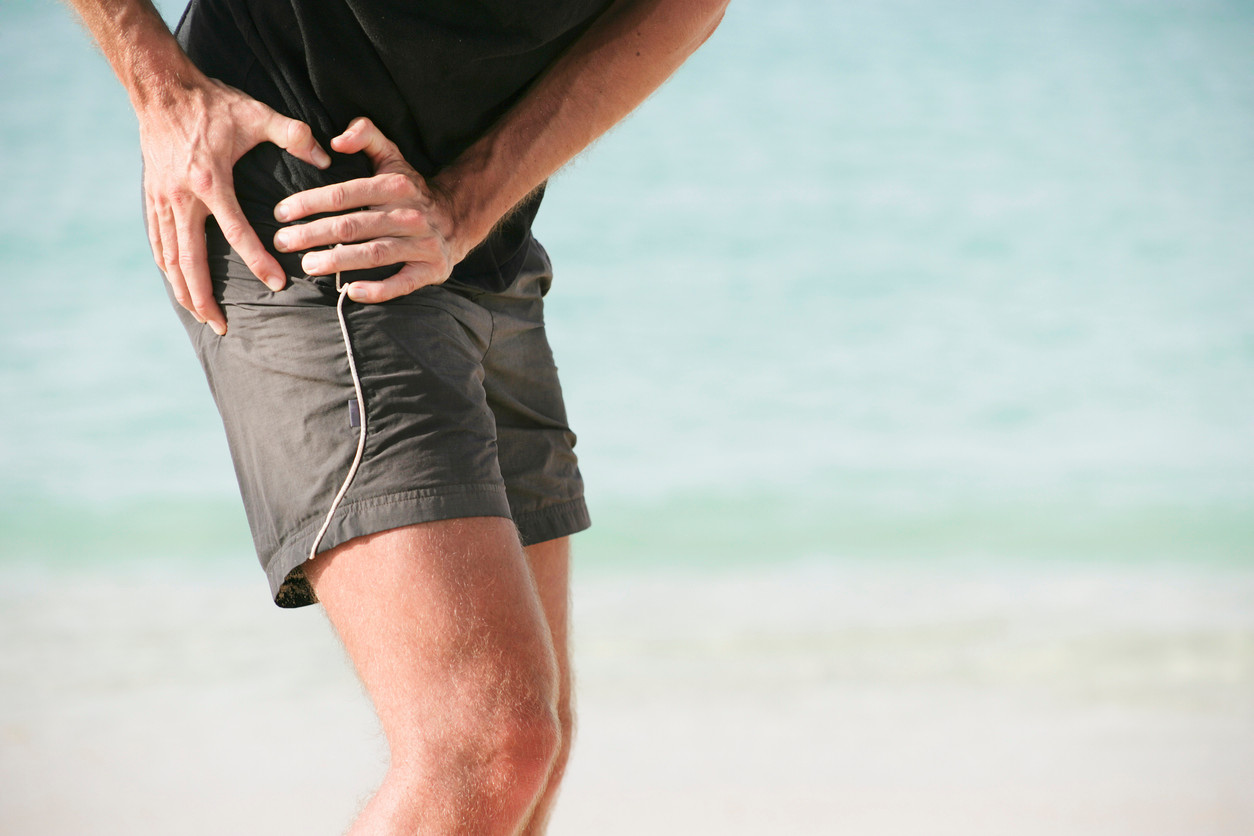
Groin pain is a common yet complex issue, particularly in athletes involved in sports requiring sudden changes in direction, like cricket, hockey, or football. The most frequent groin pain causes range from simple muscle strains (the “pulled groin”) to more complex biomechanical issues like adductor tendinopathy or sports hernias.
To find relief, a combination of the “POLICE” principle (Protection, Optimal Loading, Ice, Compression, Elevation), targeted groin pain exercises, and professional physical therapy is essential. If pain persists or is accompanied by swelling in the scrotum or fever, seeking a professional groin pain diagnosis is critical.
Introduction
For an athlete, few things are as frustrating as a sharp, nagging pain in the inner thigh or crease of the hip. Whether you are a fast bowler at the Gaddafi Stadium or a fitness enthusiast in DHA Lahore, understanding Groin Pain: Causes & How To Find Relief is the first step toward returning to peak performance.
Groin pain often starts as a dull ache that many athletes attempt to “play through.” However, ignoring the early groin strain symptoms can lead to chronic issues that sideline you for months. At NBR Clinic, we specialize in neuromuscular biomechanics rehabilitation, moving beyond temporary fixes to identify why the injury happened in the first place. This guide explores the anatomy of the groin, the most common triggers for discomfort, and evidence-based strategies for how to relieve groin pain effectively.
Understanding Groin Pain: Causes & Common Triggers
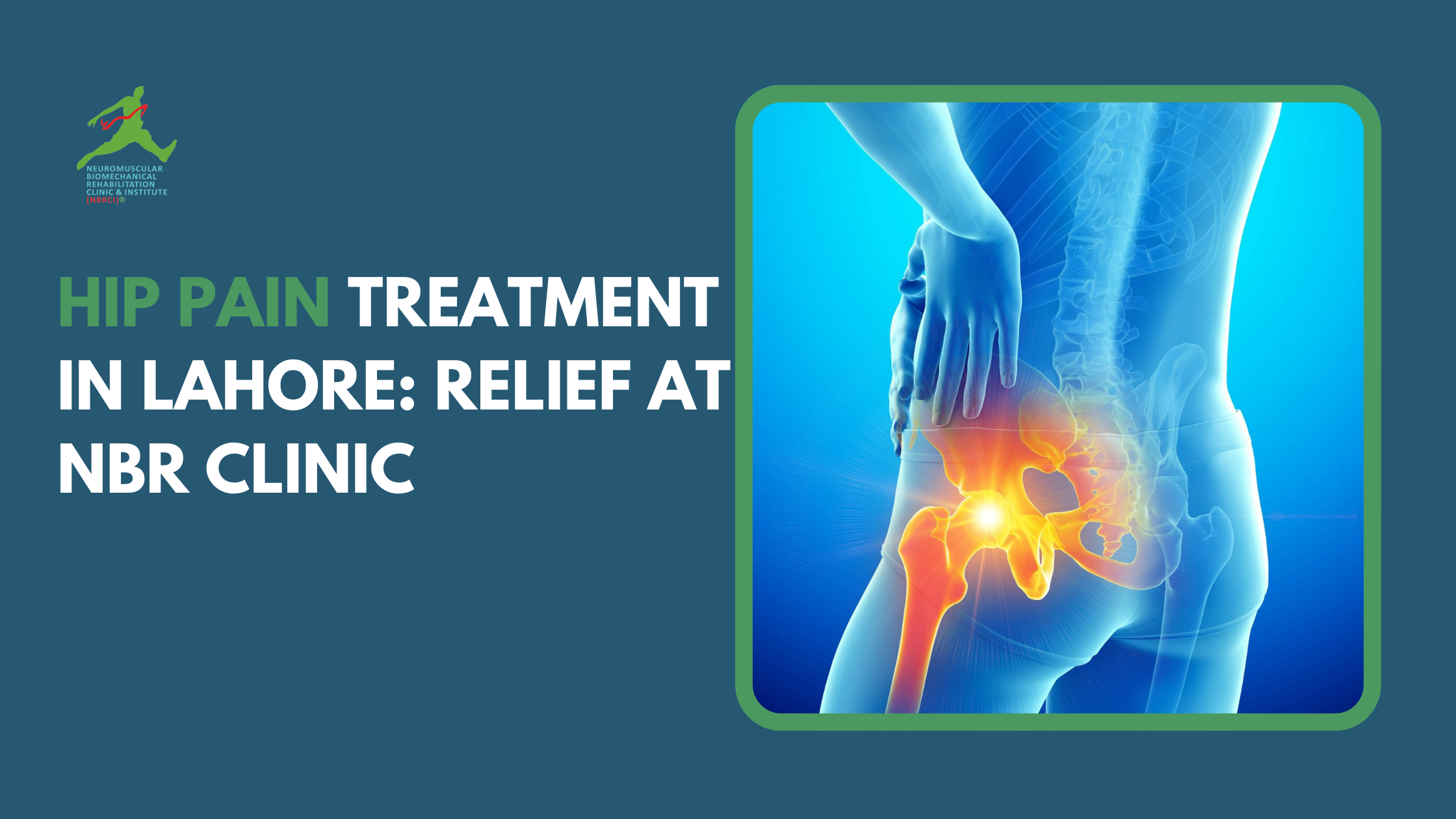
The “groin” isn’t a single muscle; it is a complex intersection of the abdominal muscles, pelvic bones, and the adductor muscle group of the thigh. Because so many structures converge in this small area, determining the exact groin pain causes requires a keen clinical eye.
1. Adductor Strains (The Classic Pulled Groin)
The most common cause of groin pain in athletes is a strain of the adductor muscles. These muscles run along the inner thigh and are responsible for pulling the legs together. A pulled groin muscle usually occurs during explosive movements, such as sprinting, kicking, or pivoting.
2. Adductor Tendinopathy
Unlike an acute strain, tendinopathy is a wear-and-tear injury. If you have been training heavily without adequate recovery, the tendons connecting your muscles to the bone may become inflamed or degenerate.
3. Sports Hernia (Athletic Pubalgia)
Despite the name, this isn’t a typical hernia with a visible bulge. It is a soft tissue tear in the lower abdomen or groin area. It is notoriously difficult to diagnose without a professional groin pain diagnosis and often requires specialized groin pain physical therapy.
4. Hip Joint Issues
Sometimes, the pain isn’t in the muscles at all. Labral tears or femoroacetabular impingement (FAI) can cause “referred” pain that feels like a groin strain but originates within the hip socket itself.
Recognizing Groin Strain Symptoms
Identifying the severity of your injury is vital for choosing the right groin pain treatment. Most strains are categorized into three grades:
- Grade 1: Mild pain and stretching, but little loss of strength. You might feel a “twinge” during activity.
- Grade 2: Moderate pain, some bruising, and a noticeable loss of strength. Walking might be slightly painful.
- Grade 3: A complete tear. This involves severe pain, significant swelling, and an inability to perform even basic movements.
- How to relieve groin pain in the early stages depends heavily on these grades. While a Grade 1 strain might resolve with rest, a Grade 3 tear often necessitates a long-term rehabilitation plan.
- Groin Pain: Causes & How To Find Relief Through Professional Diagnosis
You cannot effectively treat what you haven’t accurately identified. At NBR Clinic, led by Dr. Riaz Ahmed, we utilize a biomechanical approach to groin pain diagnosis.
The Diagnostic Process
- Clinical History: We analyze when the pain started—was it a sudden “pop” or a gradual ache?
- Palpation & Range of Motion: Testing the tension in the adductors and the mobility of the hip joint.
- Biomechanical Assessment: We look at your gait and movement patterns. Often, groin pain is caused by weak glutes or poor core stability, forcing the adductors to overwork.
- Imaging: In some cases, an ultrasound or MRI may be suggested to rule out deeper tissue tears or bone stress.
- Effective Groin Pain Treatment Strategies
Once a diagnosis is confirmed, the focus shifts to recovery. Effective groin pain treatment is multi-phased.
Phase 1: The Acute Phase (0–72 Hours)
The immediate goal for pulled groin muscle relief is to control inflammation.
-
Rest: Avoid activities that provoke pain.
-
Ice: Apply ice packs for 15 minutes every few hours.
-
Compression: Using a groin wrap or compression shorts can minimize swelling.
Phase 2: Sub-Acute Recovery & Physical Therapy
This is where groin pain physical therapy becomes essential. At NBR Clinic, we utilize techniques such as:
- Manual Therapy: To release muscle tension and improve blood flow.
- Dry Needling: Highly effective for releasing deep trigger points in the adductor longus.
- Kinesiology Taping: Providing structural support while allowing for movement.
Phase 3: Strengthening and Loading
You cannot find long-term relief without strengthening the affected area. Groin pain exercises should transition from isometric (holding a position) to isotonic (moving through a range) as healing progresses.
Evidence-Based Groin Pain Exercises for Recovery
Properly programmed exercises are the backbone of how to relieve groin pain. However, these should only be performed if they do not cause sharp pain.
1. Isometric Adductor Squeezes
Lying on your back with knees bent, place a soft ball or rolled-up towel between your knees. Squeeze and hold for 10 seconds. This activates the muscles without straining the fibers.
2. Adductor Slides
Standing on a smooth surface with one foot on a slider (or towel), slowly slide your leg out to the side and pull it back using your inner thigh muscles.
3. The Copenhagen Plank
This is the “gold standard” for groin pain in athletes. It involves a side plank where the top leg is supported on a bench, significantly strengthening the adductor chain.
When to See a Doctor for Groin Pain
While many minor strains heal with home care, certain “red flags” indicate a need for immediate medical intervention. You should ask when to see a doctor for groin pain if you experience:
- A visible bulge in the groin or scrotum (potential hernia).
- Pain that radiates into the testicles.
- Inability to bear weight on the leg.
- Pain that does not improve after 48 hours of rest.
- Fever, chills, or nausea accompanying the pain (potential infection or kidney stones).
Why NBR Clinic is Lahore’s Leader in Groin Recovery
At NBR Clinic (Neuromuscular Biomechanical Rehabilitation Clinic & Institute), we understand that an athlete’s body is a finely tuned machine. Located in the heart of DHA Lahore, our facility is designed to bridge the gap between international sports medicine and local accessibility.
Dr. Riaz Ahmed, with over 37 years of experience and specialized training from Queen Mary University of London, ensures that every patient receives a “cause-focused” treatment plan. We don’t just give you a list of exercises; we analyze your biomechanics to ensure the injury never returns.
“We don’t just treat the symptoms—we identify and correct the root biomechanical cause.”
Prevention: How to Stop Groin Pain Before It Starts
The best groin pain treatment is prevention. For athletes in Lahore’s competitive sports circuits, we recommend:
-
Dynamic Warm-ups: Never sprint or kick “cold.” Use leg swings and gate openers.
-
Core Stability: A strong “cylinder” (abs and lower back) protects the pelvis.
-
Eccentric Strengthening: Training muscles as they lengthen is the best defense against tears.
-
Professional Assessment: Regular biomechanical check-ups at NBR Clinic can catch imbalances before they become injuries.
Frequently Asked Questions (FAQs)
How long does a pulled groin take to heal?
A mild Grade 1 strain usually heals within 1–2 weeks. However, a Grade 2 strain may take 4–6 weeks, and severe Grade 3 tears can require 3 months or more of intensive groin pain physical therapy.
Can I walk with a groin strain?
In most Grade 1 and 2 cases, walking is possible and even encouraged as “optimal loading.” However, if walking causes a limp or sharp pain, you should rest and seek a groin pain diagnosis.
Is heat or ice better for groin pain?
Use ice for the first 48–72 hours to reduce swelling. After the acute swelling has subsided, heat can be used to relax the muscles and improve blood flow before performing groin pain exercises.
What is the fastest way to relieve a pulled groin?
The fastest path to pulled groin muscle relief is the combination of immediate compression, avoiding aggravating movements, and early-intervention physical therapy to prevent scar tissue build-up.
Conclusion: Reclaiming Your Performance
Navigating Groin Pain: Causes & How To Find Relief requires patience and the right expertise. While the temptation to “push through” is high for athletes, the biological reality of soft tissue healing cannot be ignored. By understanding your groin strain symptoms, utilizing targeted groin pain exercises, and seeking a professional groin pain diagnosis, you can ensure a safe and permanent return to the field.
At NBR Clinic in Lahore, we are committed to helping you move better and perform higher. Whether you need groin pain physical therapy or a complete biomechanical overhaul, our team is ready to assist.
Ready to get back in the game? Don’t let a “twinge” become a tear. Contact NBR Clinic today for a comprehensive assessment.
-
Location: Aadil Hospital, Office Basement, DHA, Lahore (Cantt), Pakistan
-
Contact: +92 334 480 9999 | +92-42-111 223 454 Ext 323
-
Website: nbrclinic.com