Ankle Pain: Causes, Treatments & At-Home Remedies
Understanding the Ankle: Anatomy and Function
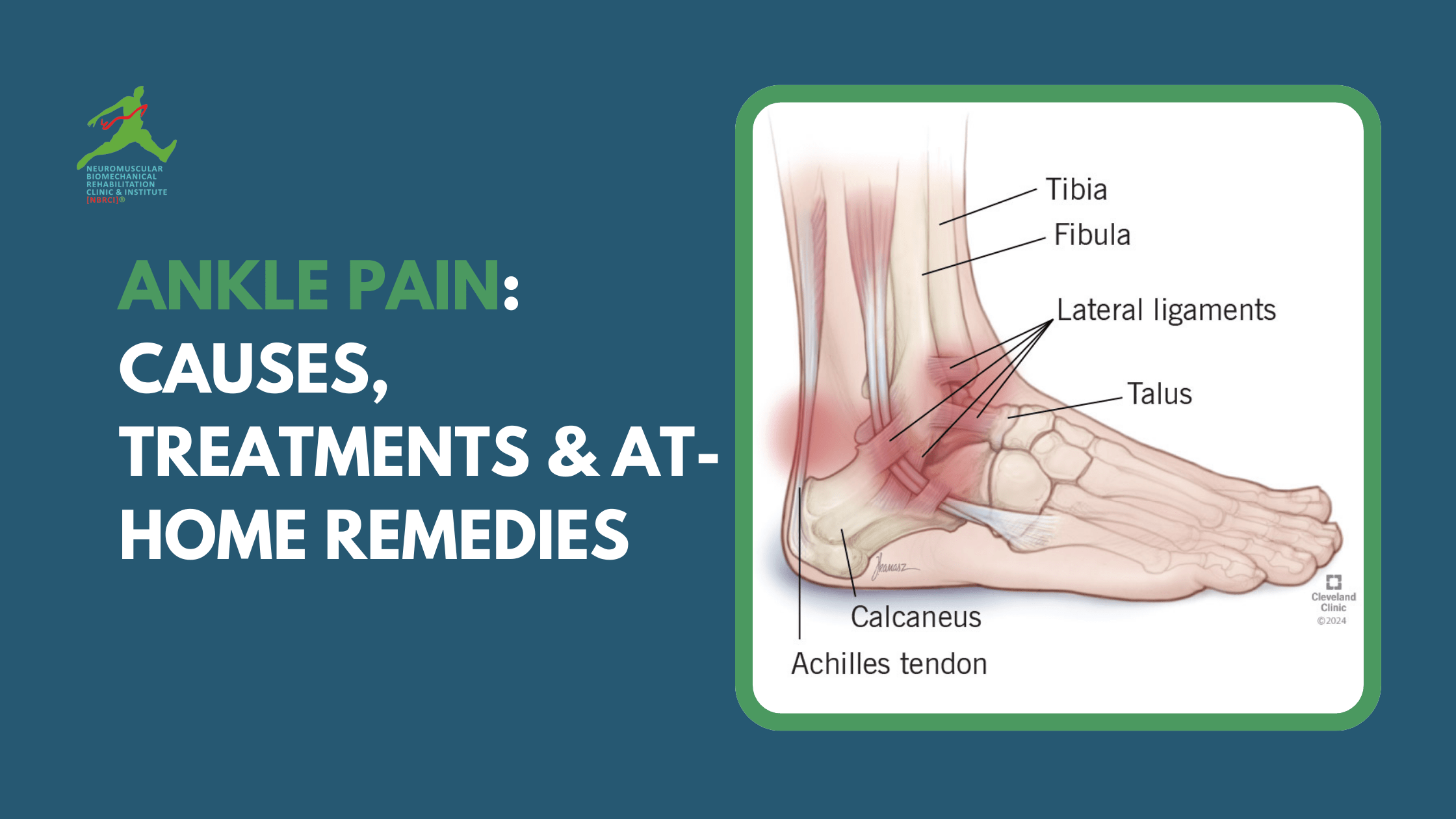
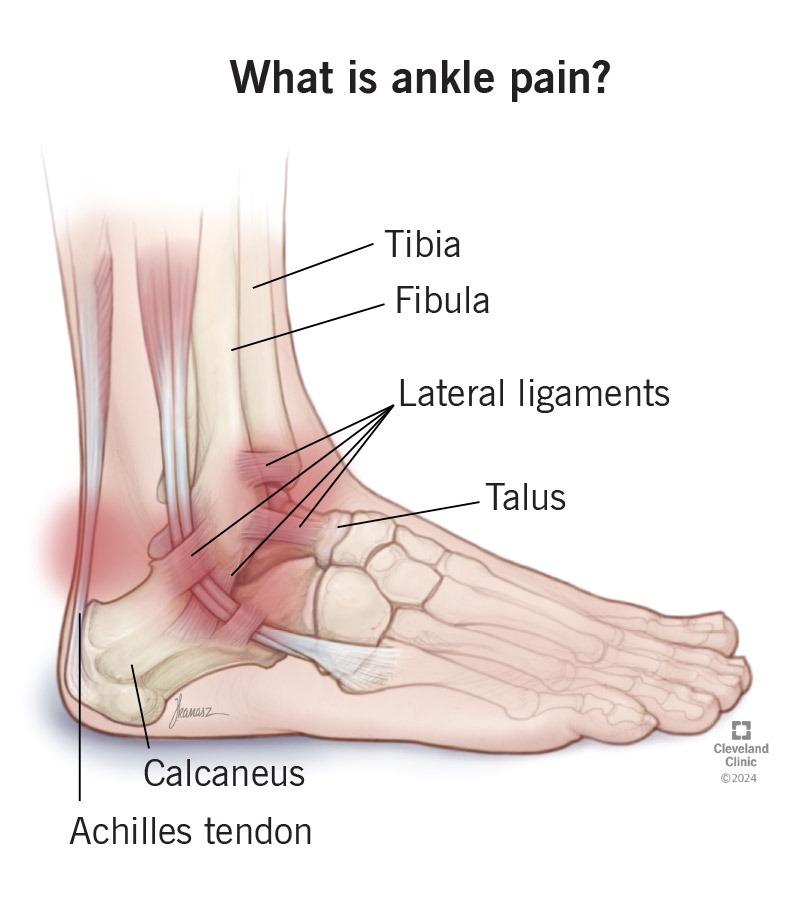
To understand why ankles are so prone to injury, we must look at the complexity of the joint. The ankle is a hinge joint consisting of three bones: the tibia (shin bone), the fibula (smaller leg bone), and the talus (foot bone). These are held together by a network of tough, fibrous tissues called ligaments.
The most commonly injured area is the lateral ligament complex on the outside of the ankle. Because the ankle supports your entire body weight while navigating uneven terrain, even a minor misstep can lead to significant mechanical stress.
Common Causes of Ankle Pain
Ankle pain is categorized into two main types: acute (sudden) and chronic (long-term). Identifying the root cause is the first step toward effective recovery.
1. Acute Injuries
- Ankle Sprains: Occur when the ligaments are stretched or torn beyond their normal range. Most are “inversion” sprains, where the foot rolls inward.
+1 - Fractures: A break in one or more of the ankle bones. This often requires immobilization or surgery.
- Tendon Tears: Sudden trauma can rupture the Achilles tendon or the peroneal tendons, leading to immediate loss of function.
2. Chronic and Inflammatory Conditions
- Osteoarthritis: The “wear and tear” of cartilage that occurs with age or after a previous injury.
- Rheumatoid Arthritis (RA): An autoimmune disorder where the body’s immune system attacks the joint lining.
- Gout: A form of arthritis caused by the buildup of uric acid crystals, often resulting in sudden, intense pain and redness.
- Achilles Tendonitis: Inflammation of the large tendon at the back of the ankle due to overuse.
3. Structural and Systemic Issues
- Flat Feet (Pes Planus): A lack of arch support can cause the ankle to collapse inward, leading to strain.
- Bursitis: Inflammation of the small, fluid-filled sacs (bursae) that cushion the joint.
- Peripheral Neuropathy: Nerve damage (often from diabetes) that can cause burning or tingling ankle pain.
Evidence-Based At-Home Remedies
For mild to moderate pain, home care is often the first line of defense. The goal is to reduce inflammation and stabilize the joint.
The RICE Method
This remains the gold standard for acute injury management:
- Rest: Avoid weight-bearing activities for the first 24–48 hours.
- Ice: Apply a cold pack (wrapped in a towel) for 15–20 minutes every few hours to reduce swelling.
- Compression: Use an elastic bandage to support the joint. Ensure it is snug but not tight enough to cut off circulation.
+1 - Elevation: Keep the ankle above the level of your heart to encourage fluid drainage.
Natural & Nutritional Support
- Epsom Salt Soaks: Magnesium sulfate can help relax muscles and reduce minor swelling.
- Anti-Inflammatory Diet: Incorporating turmeric, ginger, and omega-3 rich foods (like salmon) may help manage systemic inflammation.
- Hydration: Proper fluid intake helps flush out excess sodium, which can contribute to joint edema (swelling).
Medical Treatments and Professional Interventions
If home remedies fail to provide relief within 72 hours, or if you cannot put weight on the foot, professional medical help is necessary.
1. Physical Therapy (PT)
PT is essential for preventing Chronic Ankle Instability (CAI). A therapist will guide you through:
- Proprioception Training: Exercises like the “Ankle Alphabet” or balancing on one leg to retrain the brain to sense the joint’s position.
- Strengthening: Focused work on the calves and peroneal muscles to provide “internal bracing.”
2. Medications
- NSAIDs: Ibuprofen or Naproxen to manage pain and swelling.
- Topical Gels: Diclofenac gels can provide localized relief with fewer systemic side effects.
3. Advanced Procedures
- Corticosteroid Injections: To quickly reduce severe inflammation in arthritic joints.
- Regenerative Medicine: PRP (Platelet-Rich Plasma) therapy is increasingly used to speed up the healing of chronic tendon injuries.
- Surgery: Reserved for Grade III ligament tears, complex fractures, or severe joint degeneration.
Comparative Overview: Sprain vs. Fracture
| Feature | Ankle Sprain | Ankle Fracture |
| Pain Level | Sharp, then dull ache | Intense, throbbing |
| Weight Bearing | Usually possible (with pain) | Usually impossible |
| Appearance | Swelling and bruising | Visible deformity or bone protrusion |
| Sound | May hear a “pop” | May hear a “crack” or “snap” |
Frequently Asked Questions (FAQs)
How long does a sprained ankle take to heal?
Mild sprains (Grade I) usually heal in 1–3 weeks. Severe tears (Grade III) can take 3–6 months and often require physical therapy to regain full stability.
When should I see a doctor for ankle pain?
Seek medical attention if you experience:
- An inability to bear weight.
- Obvious deformity or misalignment.
- Numbness or tingling in the foot.
- Pain that doesn’t improve after 3 days of RICE treatment.
Can shoes cause ankle pain?
Yes. Worn-out shoes or those lacking arch support can alter your gait, putting undue stress on the ankle ligaments and tendons. Replacing athletic shoes every 300–500 miles is recommended.
Summary
Ankle pain is a multifaceted issue ranging from simple overexertion to complex structural damage. By utilizing the RICE protocol immediately and following up with strengthening exercises, most individuals can return to full activity. However, ignoring persistent pain can lead to long-term instability and early-onset arthritis.
Would you like me to create a customized 4-week physical therapy exercise plan based on your specific symptoms?