5 Most Common Sports Injuries and Causes – Consult Dr. Riaz Ahmed at NBR Clinic Lahore
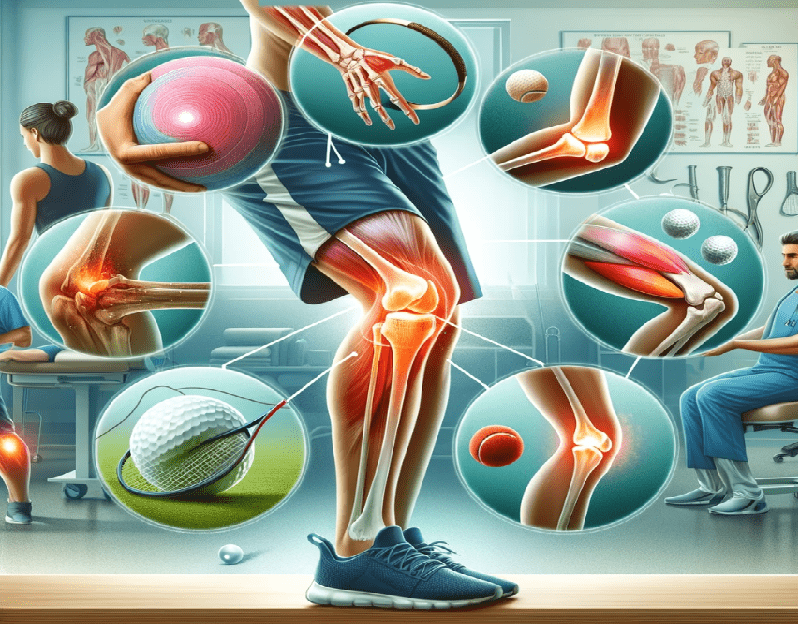
Sports are a vital part of a healthy lifestyle, but unfortunately, injuries are a common side effect of active participation. Whether you are a professional athlete or someone who enjoys weekend games, understanding the 5 most common sports injuries and causes can help you prevent long-term damage and recover quickly. If you are looking for expert guidance, Dr. Riaz Ahmed, a renowned physiotherapy and sports medicine consultant at NBR Clinic Lahore, offers professional treatment and rehabilitation programs designed for athletes and active individuals.
1. Ankle Sprains – The Most Frequent Sports Injury
Among all sports-related problems, ankle sprains top the list. They occur when ligaments around the ankle stretch or tear due to sudden twists or improper landings. Sports like football, basketball, and tennis are particularly prone to this injury. The main causes include poor footwear, weak ankle muscles, and uneven playing surfaces. At NBR Clinic, Dr. Riaz Ahmed emphasizes preventive exercises and physiotherapy sessions to strengthen ligaments, ensuring athletes avoid repeated sprains.
2. Knee Injuries – From Minor Strains to ACL Tears
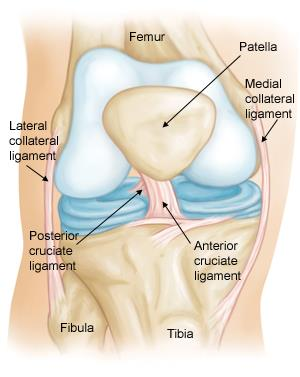
Knee injuries, especially Anterior Cruciate Ligament (ACL) tears, are one of the most feared sports injuries. They usually happen due to sudden stops, direction changes, or collisions. Sports such as soccer, rugby, and skiing have high ACL injury rates. Overuse, weak thigh muscles, and poor warm-up techniques increase risks. According to medical reports, nearly 40% of all sports injuries involve the knee. At NBR Clinic Lahore, specialized rehabilitation under Dr. Riaz Ahmed helps athletes rebuild strength, improve balance, and return to play safely.
3. Shoulder Injuries – Dislocations and Rotator Cuff Damage
Shoulder injuries are common in sports requiring repetitive overhead movements such as swimming, volleyball, cricket, and baseball. Dislocations and rotator cuff tears are the most frequent. These occur because of weak stabilizing muscles, poor throwing techniques, or direct impact. Symptoms include sharp pain, reduced mobility, and shoulder instability. Treatment at NBR Clinic involves a mix of manual therapy, strengthening programs, and posture correction supervised by Dr. Riaz Ahmed, ensuring athletes regain full functional movement.
4. Hamstring Strains – A Sprinter’s Nightmare
Hamstring strains are another widespread sports injury, especially among runners, footballers, and cyclists. They happen when athletes push beyond flexibility limits or sprint without proper warm-up. Causes include muscle fatigue, poor stretching habits, and lack of strength training. Studies show that hamstring strains account for nearly 12–15% of all sports injuries worldwide. Recovery requires rest, ice therapy, and progressive physiotherapy programs. At NBR Clinic, tailored stretching and strengthening plans are designed to prevent recurrence and improve flexibility.
5. Fractures – Stress and Acute Breaks
Bone fractures are among the most severe sports injuries, often caused by high-impact collisions, falls, or overuse. Stress fractures, common in runners, occur gradually due to repetitive strain, while acute fractures happen suddenly during impact sports. The main causes include weak bones, lack of protective gear, and overtraining. Dr. Riaz Ahmed and his team at NBR Clinic Lahore provide advanced rehabilitation, post-cast physiotherapy, and nutritional guidance for athletes to ensure safe and complete recovery.
How to Prevent Common Sports Injuries?
While treatment is essential, prevention plays an equally important role. According to Dr. Riaz Ahmed, the following strategies reduce the risk of injury: proper warm-up and cool-down exercises, using correct techniques, wearing sport-specific footwear, maintaining hydration, improving flexibility, and listening to your body’s signals. These preventive steps are critical in avoiding the 5 most common sports injuries and causes.
Role of Physiotherapy and Rehabilitation
Physiotherapy is a cornerstone of sports injury treatment. At NBR Clinic, Dr. Riaz Ahmed combines evidence-based physiotherapy, manual therapy, and rehabilitation protocols to restore athletes’ strength, mobility, and confidence. Each program is personalized, focusing on recovery speed and long-term prevention. This patient-centered approach aligns with global sports medicine standards and ensures athletes return stronger and healthier.
Why Choose NBR Clinic Lahore?
The NBR Clinic stands out as a dedicated center for sports injury management near DHA Lahore. With state-of-the-art equipment, personalized physiotherapy chambers, and experienced consultants, it provides world-class treatment for both professional athletes and fitness enthusiasts. Patients benefit from one-on-one care, tailored exercise guidance, and follow-up monitoring, making it the preferred clinic for those dealing with the 5 most common sports injuries.
Book Your Consultation Today
If you are struggling with sports-related pain or recovering from an injury, don’t delay treatment. Early intervention can save you from long-term complications. Visit NBR Clinic Lahore and consult Dr. Riaz Ahmed, an experienced specialist in sports injuries and physiotherapy.
📍 NBR Clinic Lahore, DHA
👨⚕️ Consultant: Dr. Riaz Ahmed – Sports Injury Specialist
📞 Call today to book your appointment and start your recovery journey.
FAQs
Q1. What are the 5 most common sports injuries and causes?
👉 Ankle sprains, knee injuries, shoulder injuries, hamstring strains, and fractures are the most common, usually caused by overuse, poor techniques, or impact.
Q2. Can physiotherapy help in sports injury recovery?
👉 Yes, physiotherapy under experts like Dr. Riaz Ahmed speeds recovery, improves mobility, and prevents re-injury.
Q3. Where can I find the best sports injury consultant in Lahore?
👉 NBR Clinic near DHA Lahore is a trusted center for physiotherapy and sports medicine.
Q4. How long does recovery from a sports injury take?
👉 Recovery depends on injury type and severity, but guided rehabilitation reduces healing time significantly.